Uncategorized

Reasons to Create – Besides Views and Likes

When it comes to being an artist, I’m not a fan of social media. If you read my views concerning Instagram and using it to get follows and likes, you probably gathered this already. But, in a climate of so many creaters, its probably crossed your mind once or twice to just down tools, and find something else to do. Or, maybe you’ve been tempted to sacrifice what makes your work unique for something more uniform, more sharable. More potentially viral.

This has happened to too many. Sometimes, a born artist just isn’t a born advertiser of their own work. Maybe modesty gets in the way, or the paranoia that many will say you think you’re better than you are puts you off. For me, self promotion is just a nightmare, and I can’t do it. I can’t be one of those people who sends out their own work to the personal accounts of potential audience members. I tried it once to see how it went, and I just felt like a double glazing sales person.

On the flip side, I also question why being an artist means, to other people, that you should get your art out there. Now, hear me out. I know what you’re thinking, what is the point? What is the point in creating artwork if you’re the only person who sees it, or at most, the friends and family who follow you on your Facebook page?

The thing is, self promotion can be exhausting. I’ve said it before, I think some artists *ahem content farms ahem* but more effort into social media and making sharable content than actually putting effort and passion into their work. Its disheartening to say the least, but you shouldn’t stop.

So why should you keep creating, even if you don’t want to advertise?

1. Its nice to have a talent – I love creating. Its something I’ve always done, and it’s one source of self pride I have when I feel a bit rubbish. Whether it’s painting, sketching or pottery, I’ve always found myself feeling much better after doing something; as long as you like it and feel proud, what else matters?

2. An outlet – creating can relieve stress. Whether its a mindful exercise or just something to take your mind away from something causing you anxiety, having that time away to just make something with your own skill can be highly cathartic.

3. It doesn’t mean you can’t make money – over the last few months I’ve had a few commissions; birds, family portraits, and pet portraits. Sometimes, family can be very useful for singing your praises, and soon the requests start rolling in.

4. Its not how it used to be – one of the most widely used anecdotes artists use to console their lack of sales is that Van Gogh sold one painting in his lifetime, to a man called Julien Tanguey. But we are not in Van Gogh’s lifetime, and now, so many styles and methods are accepted that if Van Gogh were of today’s generation, his success may have been different. Who knows. Its mere speculation. But, again, there’s just so many artists battling for follows, recognition, views… who knows whether Van Gogh’s work would have been so unique and distinctive in today’s climate?

5. It might happen one day, so keep going – as arduous as it might be, if you’re that sure you want to get recognition, then just keep going. Stick to your principles and style, don’t be afraid to try new things if that’s what you want to do. Work up your portfolio, and stay true to yourself. Utilise your imagination. Sometimes, all it takes is one person to stumble across you.

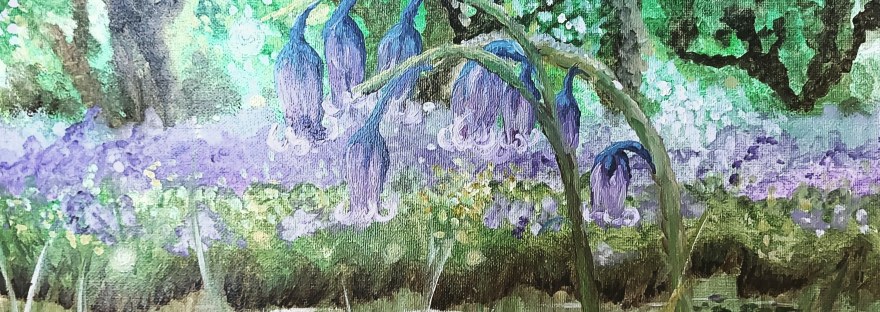
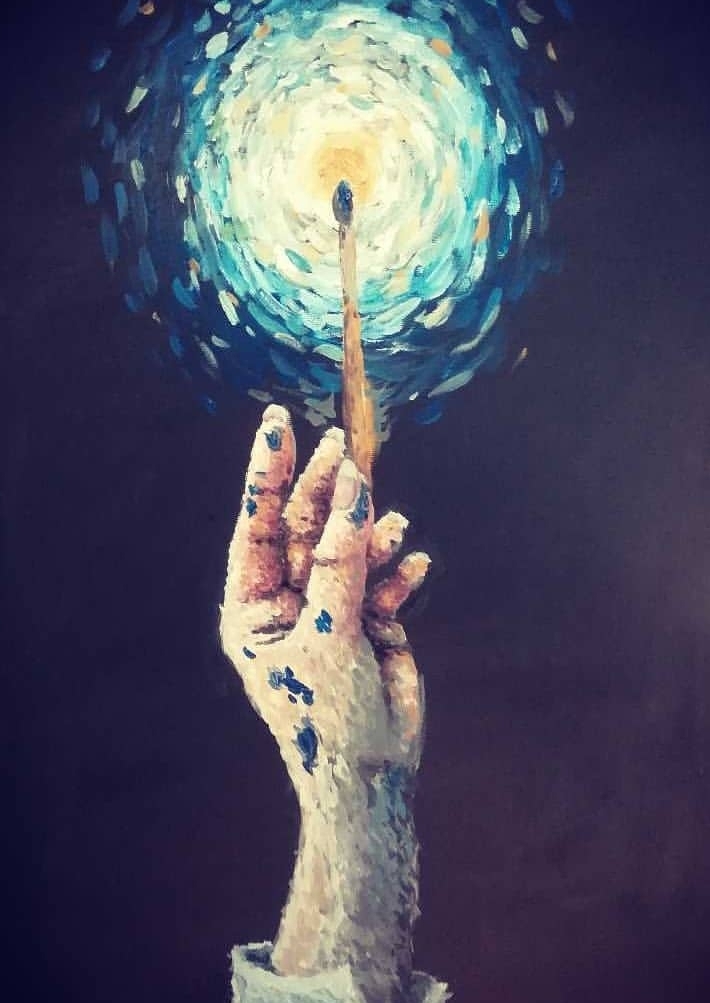
6. You can still inspire – a couple of months ago, I went to London in something I can only describe as escaping. I just felt generally rubbish, and needed a change of scenery, people, all that. One day, I was walking around a very quiet National Gallery, and got a ping through Facebook. Someone had spotted the below painting on a page, and she was asking permission to try and recreate it. It was a lovely moment, and I was more than happy to give permission.
Uncategorized

My Favourite Classic Novels – And Not Because They’re Classics

There are people who read classics, because they’re classics. And yes, when you say you’ve read something and you get called well read because you’ve read that particular book, its nice. Even when the individual doesn’t seem to have a very good grasp on what being well read means, it feels good, because you know what it means.

But there are some who only read the classics for that reason. And that might mean spending hours on a book, not really enjoying it. So I’ve decided to make a ‘in no particular order’ list of some of my favourite books, that just happen to be classics.

1. Persuasion, Jane Austen – I went through a Jane Austen stage a couple of years ago when I read each completed novel, back to back, starting with Pride and Prejudice. That, Sense and Sensibility, and Persuasion were my favourite ones. I never really gelled so well with the others. But Persuasion remains top, because of its maturity. While the others focus on a girl or a woman in her late teens/ early 20s, Anne Elliot is a woman of 27, who has alot of regret. She’s the relatable one in a family of snobs who’s sole care is connection’s and vanity. A bit like a parody of many of the Austen families that came before them. The book sees Anne reunited with the man she turned down years before (because of her family status), during which she deals with the regret of potentially seeing him married off elsewhere, believing he no longer loves her. The draw for me was that for most of the book, I just wanted them to interact. So much is spent in that awkward phase of strained politeness and pining, that the resolution is a huge relief, and I’ve read that ending multiple times. Side note, the 1995 movie, available on YouTube, is just perfect.

2. Villette, Charlotte Bronte – there’s something about Charlotte’s work that seems to draw me in better than Emily’s, and I think its because her characters were based on herself, which gives the lead character dimension. Villette is the story of Lucy Snow, as she grows up to work at a French school as a teacher. The love interest, M. Paul, isn’t perfect by any means, and can be a little loathsome at times. But, he is essentially kind and good, and that just makes his suggested fate all the more tragic.

3. Crime and Punishment, Fyodor Dostoevsky – It’s a bit of a grim story, but not all good stories make you feel good things. It tells the story of a student in need of money, planning and committing a murder to attain it. We spend the vast majority of the book watching this character’s descent into madness over the guilt of his crimes and the paranoia of being caught, despite having covered his tracks. It studies a man driven to crime despite what turns out to be an otherwise good and kind character who has shown heroism, and who ultimately seeks redemption.

4. Anything ‘Jeeves’, P G Woodhouse – I’ve talked about these stories in one of my previous posts, and for good reason. I just love them. The style, the way of talking, the narration by Bertie Wooster. They’re all short stories within themselves, with quietly absurd plots and a bunch of rich people getting stressed over silly things like moustaches and posh relatives. The interactions between Wooster and Jeeves are wonderfully comical, particularly when Jeeves is unhappy about something Bertie has done. It’s always lighthearted, too. And we need a bit of that in our lives.

5. A Christmas Carol, Charles Dickens – it’s short and wonderful and one of my favourite stories of all time. I watch every adaption I can get my hands on at Christmas. Reading it just extends the experience, prolongs the anticipation of his redemption, and is just a lovely, cosy festive read. With candles, and a fire. And a blanket. And cake.

Uncategorized

‘Today I Did’ Lists – Like To Do Lists, But With More Possibilities

I love to do lists, and I loathe to do lists. Making a to do list can make one feel so productive, so important. You can look upon it and think, there. Now all I have to do today is to achieve all these things, and I’m productive. I’ll be achieving something. I will go to bed tonight, and I’ll sleep soundly.

More often than not, however, my lists go incomplete. I’ve not done my 15 minutes of Duolingo French, or put my washing away, or any other apparently essential task that will take me one step forward to being a fully functioning adult who feels smug with all the things they’ve managed to achieve before tea time. Not achieving these things make me stressed, no matter how little or unimportant they are. It means going to bed with no sense of achievement at all, and that is toxic productivity for you.

So I’ve had a brain child today. This evening, actually. I’ve realised I’m much more productive without a list, and so the ‘what I did today’ list is born. Its basically making a list of, well, what you did that day. It’s probably already a thing, and nonetheless my present brain child probably needs a snappier name. But even if it is already a thing, this is why you should be doing it.

1. No set up for fail – it’s tempting to put too much on a to do list. Five items doesn’t seem enough, but 10 does. 15 – even better. But sometimes, a small task (such as my 15 minute Duolingo sessions) can seem daunting when written down. Only doing 10 minutes might mean not being able to tick it off. But, instead of focusing on what you didn’t do, at the end of the day, making a list of all the things you managed to achieve in the last few hours could make a huge difference. A 10 minute Duolingo session can finally make the cut.

2. Better quality – if I put myself down to do something, I’ll probably feel like doing the bare minimum, just so I can tick it off. It counts, right? But it doesn’t always feel good doing things that way, and can take the fun out of it. In contrast, doing something spontaneously, like a run or a big cleaning session, can probably turn out better than if planned. We’re doing it because we want to.

3. More productive – for me, this has made me more productive, and I see things as less of a chore. This evening, I cleaned the kitchen, recorded a video for my YouTube channel, designed some Christmas cards for my mum’s care home, and cleaned my office before bed. I felt like I was doing something, and it felt a damn sight better than squeezing everything in before six just to be able to relax.

There’s probably a ton more reasons I could come up up with, but at the end of it, everyone’s different. To do lists do have their plus points, but in the age of toxic productivity, we tend to place more focus on what we fail to get done. And in the age of toxic productivity and the mental strain of a pandemic, surely we should be cutting ourselves some slack, and drawing on the positives?

Uncategorized

How to Not Lose it While Remote Working

I’ve been working from home now since the first lockdown began, and, i’ll be honest, at first the idea was exciting. I’d never worked from home before, and my head was filled with plans of all the stuff I was going to get done with my time. I’d finally be able to have a proper healthy breakfast, instead of a packet of breakfast biscuits on the train. I’d be able to swap sitting at my desk staring at my phone during lunch for a jog, or yoga, or taking the dog a walk. Anything active. But, as time has gone on and the company I work for has evolved in its strategies to keep us all connected, we’ve all expressed feelings of isolation, and actually missing the social aspects of office working.

But, for me anyway, and as for many, remote working might be here to stay, at least in some context. It’s been a mixed bag, but there are some ways you can not only cope with remote working, but make the best of it, too.

1. Take control of your work environment – an office is a public space. While that’s pointing out the obvious, while we’re feeling lonely and cut off, it might be an idea to remind yourself of the more negative points of sharing a work space. If you want a window open, open a window. If you want music, play it. If you want all the lights on, power to you. In an office, the control of the environment either comes down to the management, majority, or that one person who throws awareness for others to the wind and opens a window when everyone else is shivering in their coats.

2. Wake up early…but not too early – take advantage of the fact that your desk is only a few steps away. That might mean staying in bed for a few minutes more, doing the housework, or a getting a workout in.

3. Get dressed – I’ve made the mistake of slipping into the habit of staying in my jams a few times, and those are the days I feel a bit rubbish about things. I love getting ready, and putting the time into one’s appearance can make a world of difference. It doesn’t matter whether you’re going to be on camera; jams are for sleeping in and lazing around when you feel like it. But a productive mindset might just start with a shower and fresh clothes.

4. Split the day with something active – whether you get an hour or half an hour for lunch, that time can have many possibilities in how it can be used, that just might not be accessible in normal office circumstances. Go for a run, or find a workout on YouTube. My office has become my gym, too, with a desk treadmill at the side. This has also taught me that I dont need a gym membership, so in the long run (huhuh) I’m saving money, too.

5. Screen breaks – Take them! – I never know what to do during a screen break at work, and end up either working through it because I don’t want to look like skiving, or dashing to the toilet. Because making a cuppa doesn’t take 5 minutes. But now, I do a bit of reading, knitting, or just something else that tickles my fancy.

6. Meetings – particularly during company wide meetings, with one person talking while everyone else is muted and no ones camera is switched on, I’ve done something else. Commissions, finished books, made paper flowers, made apple pie… I’ve had naps, too. Under a blanket, earphones in, lovely.

7. Mindfulness/ meditation – while I’ve been remote working I’ve been listening to a lovely classical radio station called Scala radio, and every day at 2pm they have a mindfulness session. Whenever I put this station on, I get myself comfy, maybe grab some cake or pie that I’ve made, and just listen, all in the moment. Its only about 10 minutes long, but its worth it.

8. Meditation in the morning – branching off of the last suggestion, a bit of meditation first thing does help. Particularly during these anxious times, its nice to just create a moment and breathe. Meditation used to stress me out, because I thought your mind has to be absolutely clear of thoughts to work. Like, you couldn’t think of anything. That’s what alot of guided sessions said, anyway. So I gave up. But thinking you can’t think of anything makes it worse, and you end up thinking because you’ve been told not to. This is the White Bear effect; don’t think of a white bear! Did you? Now, more practices encourage you to acknowledge the thoughts that occur to you, and then recentre. I’ve found that my days are much more relaxed after doing this for around 10 minutes, even if I’m not great at it yet.

9. Make taking care of yourself a priority – it’s easy to get frustrated with the situation. Its easy to allow one run in to effect your day; I know I have. And I know how easy it is to let yourself get worked up over one minute mistake, and maybe you’re worked up because someone has placed disproportionate importance on that mistake. I’ve lost sleep over mine, and thats were vicious cycles begin. But don’t let them throw you off. Eat as healthy as you can, but allow yourself a lapse now and again. Take time out for your creative endeavours, and at the end of your day, relax and think of all the good things that happen. Treat where you went wrong as learning curves, teachable moments.

10. Have fun with it! – play your music loud (be considerate of the neighbors, mind) and just sing, or dance, at your desk. I do. No one can see or hear you (if you’re alone, anyway) and if they do, like the window cleaner did earlier today when I had no idea he was cleaning an open window, shrug it off. It probably gave him a laugh. People need a laugh right now, so good deed to me!

Uncategorized

So what if you’re not a career type?

I’ve had a few jobs in my time. Not as many as some, but maybe more than others. That makes me sound like I can’t hold down a post, but I spent 5 years at my first company while I studied for my degree part time. It was clerical, mundane, and same old. And I wouldn’t change that for the world.

There’s a comfort in repetitive jobs. Whether yours may be desk post like mine, or production operative (I’ve done a bit of that, too) or call centre job, we’ve probably all had a moment (or moments) where we’ve doubted the importance of our role in the wider scheme of things. Scrolling through Instagram doesn’t help, watching your friends, or strangers for that matter, apparently ‘doing life’ better than you. All these phrases and buzz words start emerging for what we see; living their best life, winning at life, life goals. Career types who travel for work and wear sharp, flattering outfits. Al fresco breakfasts on the patio of the villa they’re staying in for the week to get away from the hustle.

It can make one feel quite inadequate, can’t it? But the grass isn’t always greener, as they say.

As I’ve said, I work a desk job. Its dull, and for now, a bit dead end. But I can listen to books on Audible, and go for a job in my lunch break. I can work at home, and I count it as a blessing that my work has gone otherwise uninterrupted during the pandemic.

I’ve known some of these career types, however, personally. It isn’t always pretty, and there’s a lot of sacrifices. My fiance was a teacher for about a year, and goodness, he hated it. The good intention was there, and I’m sure he was a good teacher, too. But that was only a small part of a job that demanded too much evening time, too much weekend time, and holidays that could only be taken at certain times of the year. He made himself ill for a long time, and finally he quit to work for my old company. Someone else I know has no hobbies, and has never travelled out of the country (we live in the UK) because he just doesn’t see the point. That’s okay, but the career he has placed so much importance on is actually going nowhere.

Now, I am only speaking from my point of view. There are many people out there with careers and lives they enjoy, and have found that balance. But I reckon there’s more of us who have had those doubts late at night, knowing we have the potential. Sometimes, knowing we have potential is good enough. But sometimes, it makes it worse. It makes it feel like we’re wasting a gift.

But I think, from my experience, careers aren’t worth it. Last year, I had the opportunity to work in a counselling setting. I’m a qualified counsellor, and I’d be getting the chance to interact with patients. I was also assured in the meeting that in time, I might be referred to train as a counsellor myself.

But I hated it. I dont know what it was, but I hated it. I missed the safety of mundane, repetitive, no stress. I felt guilty, because I’d looked forward to this job so much. But then, I learned that maybe educational endeavours and professional don’t always mix. I learned that sometimes, your aspirations might not always be what you want to do, but what you want to want to do. What you think you should want to do.

So now I’m content with my desk job. I’m well travelled, studying for my masters, with a load of hobbies and I’m writing stories. And I dont think i’d be that person if I was a career type.

Uncategorized

Being an Artist on Instagram – Is it Toxic?

I’ve been drawing, painting, sketching literally since I was a kid. When I was 5, I drew a dinosaur from a book, and I was so proud of it I glued it to my dad’s birthday card. That was all I needed. As long as I was proud of what I’d done, that was enough.

However, today is a different day. Art is something wider, further reaching, than it used to be. Today, we often judge our talent by the number of likes we get on a post on Instagram. We judge our capabilities on the number of followers we have.

But more doesn’t always mean better.

Now, don’t get me wrong. There’s some wonderful, talented artists out there, and their work speaks for itself.

And then there’s Follow for Follow.

So a few weeks ago I decided I wanted to get my work out there a bit more. More often that not, I’m content with creating at my own pace, when the moment strikes.

But sometimes, I wonder what the point of creating is if no one’s seeing what I’m creating. Essentially, its an argument at the root of most, if not every creator since creating began. To be seen, to be approved… to make money.

And this was how I learned about follow chains (probably the term, but self explanatory). Basically, you added yourself to a list and sent it to a number of people, who were meant to do the same in some context. Or, you’d post your account link to Facebook groups and promise to follow back. I found out that many people probably put more effort in this part than the actual creating.

Now, it did work a bit. But it didn’t feel good. I knew that these people weren’t looking at my work, which was what I wanted. That’s all we all want, really. But numbers talk.

I want to say that I’m not judging these people. The Internet is so full of creations that we have to come up with ways just to be seen. But what I dont like is the sense of failure that comes with it, and the disappointment of not being seen more.

I had to take a social media break after that stint. It was disheartening, seeing so many sacrifice their creativity, their originality, for something sharable. Something that was going to be approved of, understood instantly, something in the hope of getting likes and followers. Art, to me anyway, should be a projection of oneself. Or, it should be something we are ultimately proud of by ourselves. Regardless of social media performance. If we haven’t got pride in ourselves, what is it worth?

Uncategorized

Overwhelmed by Productivity

Its easy to let it take you over sometimes. Work, family, those little tasks you’ve told yourself you have no excuse to not do. We don’t want to let anyone down, least of all ourselves, but has productivity become a toxic being since the world began to pause?

Now, I love being productive. Starting the day with a to do list and ticking things off as I go. I sometimes use my 5 minute screen breaks to do something, such as a five minute session of French on Duolingo (I know, still a screen) or doing a bit of tidying somewhere in the house. You can sometimes get more done in that 5 minutes than in 20. I sometimes add things I’ve done just to tick them off straight away, sad little soul I am.

But there are days when you just need to do nothing, and that’s were I fall short. Self care days, I’m sure, are wonderful. Days when you can commit time to just being, without having to think about meetings or cleaning or what you promised a friend you’d do as a favour. The most I’ve ever been able to manage is maybe an evening, following an 8 hour shift, a jog, yoga and cleaning the house. While some of these things can constitute as self care, telling yourself that you won’t be able to relax until you’ve done them isnt all that healthy.

So how can a true self care day be achieved?

1. Plan the evening before – make a list of what you need to get done, as in really need to get done. Deadlines, anything that has no exceptions. Write the deadline down and circle it several times, just to emphasise that it doesn’t need to be done tomorrow.

2. Make a list of reasons as to why you need that day – some of mine have been work related, and some have been degree related. Specify – you need to take a step back from your laptop, you need to gather yourself and organise your thoughts.

3. Think of the consequences – how many times have you walked away from your desk because a colleague was otherwise going to get it? Add this to your list, because conflict is a consequence of not taking time out for yourself. We’re all individual minds, and we can’t be around people all the time. Not if we want clarity with ourselves. On the flip side, what is a consequence of taking a time out? What is the consequence of doing exactly what you want to do all day? Whether it be writing, yoga, a walk or sitting down with an old movie and snacks, can you think of anything bad coming from taking that time?

4. Think of how you want to spend your day – my perfect self care day would be a respectable lie in (basically anything after my usual work start time) and a session of yoga before breakfast. A nice country walk, lunch (maybe making it myself) and coming home to do something creative before watching a 30s screwball comedy and ending the day with a good hot bath and candles. This might sound questionable to you, especially a 30s comedy, but think of how you would spend it, without thinking why.

5. Don’t feel guilty – I feel like guilt is probably the most common counter argument to self care. Taking time out to do nothing but relax can sound like a waste of time, until you think about it. And, if you do some of these things in order to relax (including tidying), absolutely power to you. It’s like sick days. I worked in a place were you got sacked if you took too many sick periods, regardless of reasons (I’m not exaggerating when I mean absolutely regardless) and it was damaging. But now, I’m reading articles telling us why we should be taking more sick days during the pandemic; for our mental health.

I feel that sick days being taken for mental health should not only be encouraged, but also in place as a bookable holiday. Surely that would result in a generally more rested workforce, higher productivity, and lower sick days due to stress and depression?

I feel like mental health, despite its increasing awareness efforts, is still put on the back burner in favour of productivity, and thats the case in everything. It’s become ingrained in us to perform on time, when we’re needed to. We scroll through our Facebook and Instagram, watching other people do amazing things. We see stories of people younger than us making a success of their lives, and trick ourselves into thinking that that is was everyone is doing.

But what has that success costed?

Uncategorized

Beauty in the Detail – Nature Walks

Appreciating nature is probably more important now than ever. And I’m not just talking about the awful and oh so prevalent topic of lockdown, quarantine, covid and all that. The truth of the matter is, the world is becoming a more concrete place. Fields are being lost to housing estates, office buildings are places we spend a third of our day in (in normal circumstances). And while we work from home now, it’s becoming increasingly possible that our houses are not only places we come home to relax. They may be our places of work, exercise, entertainment etc. I’ve noticed personally that there have been full days were I dont leave the house at all, simply for forgetting. Finish work at four, do all the things I’ve convinced myself I need to do, and then sit down and ready for the night. As the nights grow darker earlier, its easy to fall into this routine.

Now, we might not all have scenes of nature close by to walk around. I’m quite lucky in that respect, since I live in an area with quite a few wooded areas. But that doesn’t mean nature can’t be appreciated. Instead, it might just require a little bit of a closer look.

Another obstacle of enjoying nature walks might be why. I’m also guilty of this. I often fall into the trap of thinking that if there’s no purpose to something, no end goal besides a few breaths of cleaner air and a bit of sunshine, am I really gaining anything? Of course, those things are exactly what I’m gaining. If I’ve had a run in at work, or I’m simply irritated, my first port of call is a walk. But, sometimes a little bit of purpose doesn’t hurt.

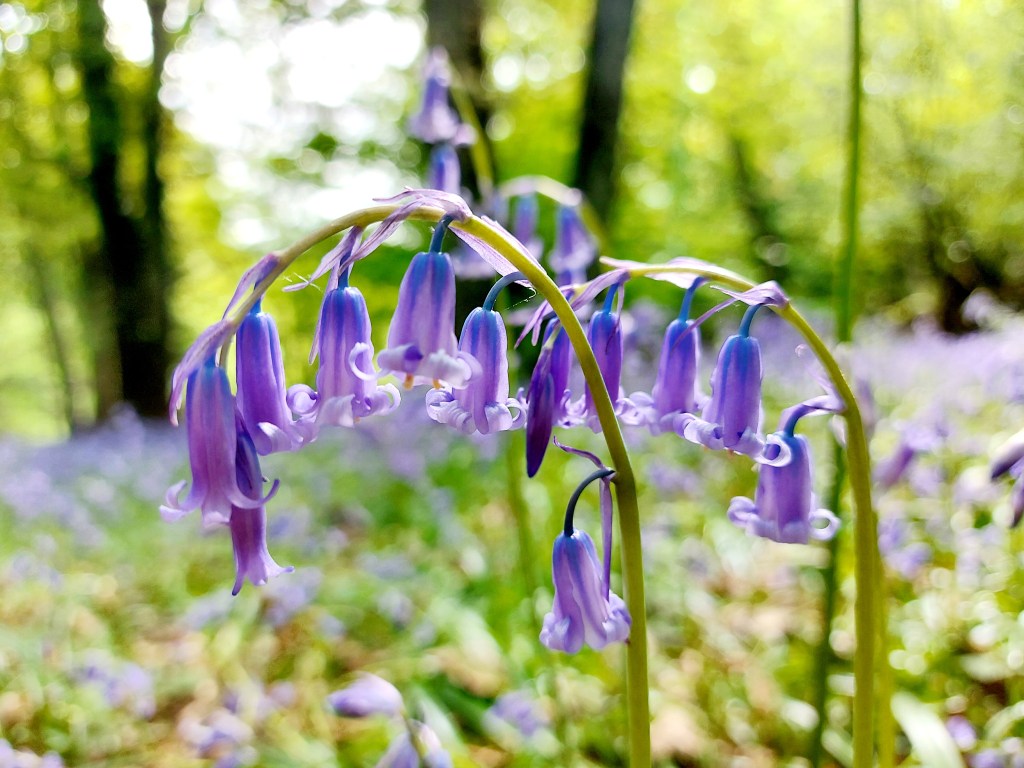
Photography – at the beginning of the year I got a new phone, and loved the camera on it. So I started taking photographs of some of the flowers I saw on my travels. Photographing things encapsulate a moment, and maybe you could try painting them. This can almost feel like making the moment last longer.

Audiobooks – If you read my ‘Escapism through books’ post, you’d know that I made the serendipitous purchase of a book bucket list. There’s loads of these about that you dont have to buy, just find online. I’m currently reading Lolita by Vladimir Nabokov, a frequent entry on such lists, and try to encourage myself to go out on walks by keeping listening to it specifically for walking. Plus, audiobooks free you to do other things, and can be found online for free.

Mindfulness meditation – up until recently I could never see the purpose of meditation. My mind wanders too much, and sometimes it is nice to be alone with your thoughts while outside. But there are also times you need to switch off, and just look at whats around you. It might be easier to be guided, and there are lots of guided nature mindfulness sessions on Spotify, YouTube, Audible etc. I noticed that my days are less frustrating when I do this just before work; maybe its the idea of a bigger picture, making oneself aware that the world is bigger than your makeshift home office.

A lone picnic – find yourself a nice view, such as a lake, a pond, or the top of a hill. Find it, take a seat, and eat. Maybe find a recipe for something, cook or bake it, and take it with you. Take your time, breathe in the clean air and appreciate whats around you. Last time I tried to do this was at the top of my local mountain, the Wrekin, with a family running around next to me, screaming. Very hard to appreciate them, but no matter. The cake was good.

Uncategorized

A Different Kind of Christmas

Maybe you haven’t gone anywhere this year. Maybe you, like many, many others, have missed your annual week (or two weeks) in the sun to ready for the colder months we are now going into. A few days just to unwind, maybe see a few nice sights, or just drink on a beach and let the sun do its work. Clearly, this year is different. But different doesn’t necessarily mean bad.

For a few weeks now, as we near Christmas, I’ve been seeing a number of different attitudes towards various holidays being cancelled. Halloween is cancelled, Christmas is cancelled. But are they? Or have we built entire celebrations around one event, at the cost of valuing other ways we can appreciate the festive season?

Of course, this year, particularly in the UK, the likelihood of gathering together in large groups for chrimbo dinner are slim to none existent (legally, depending on how large the group is, and how many people live in your household). Traditional Christmas Days are, this year anyway, not going to consist of that picture perfect family wide game of charades after the pudding, or carol singing with neighbors. Is that what people do? I don’t know, but apparently those traditions are worth risking our lives, and the lives of those around us.

Every December for a few years now, my family and I have boarded a cruise to some European city such as Amsterdam and Bruges for the day, and done a bit of Christmas shopping, soaked up some of the local Christmas spirit. It always seems more authentic there, somehow. No one seems stressed pushing a pram around like they do at Birmingham Christmas Market. I brought an elephant dung diary last year and visited a Salvador Dali exhibition I didnt know was on. It was wonderful. The previous year, I booked tickets for my fiance and I to go to the Van Gogh museum in Amsterdam. Again, wonderful.

This year won’t be so cultured, for want of a better word. Or is that what I think because I’m not going anywhere? Culture can be found at home, and the Christmas Spirit can, too.

1. Make Christmas decorations – last year my mom and I pooled a load of our craft scraps and some shower curtain rings on a table, and made bawbals for a charity event at the care home she works for. Just anything we could think of with bits of ribbon, little bells and wooden letters. Those bawbals sold like hot cakes, and earned some money for charity.

2. Practice hygge (that did autocorrect as hygiene, so practice that too) – hygge is the Danish term for coziness and comfort, and while it can be found all year round, Christmas is the time were everything can be hygge. Hot chocolate on the sofa, snuggling beneath a blanket with candles and a book, or a nice autumnonal walk to take in the changing scenery, before coming home to warm up.

3. Classic Christmas movies – in a sea of new Netflix Christmas originals, it might be easy to miss out on some lovely festive classics. One recommendation I have is The Shop Around the Corner. You may or may not know that You’ve Got Mail is a remake of this delightful little film, and some scenes are very clear replicas. The relationship is stripped back and condensed into one main setting between two people who just don’t like each other, without the complication of rival business. There’s a few great minor characters too, creating a small world inside this shop, and thats all it needs.

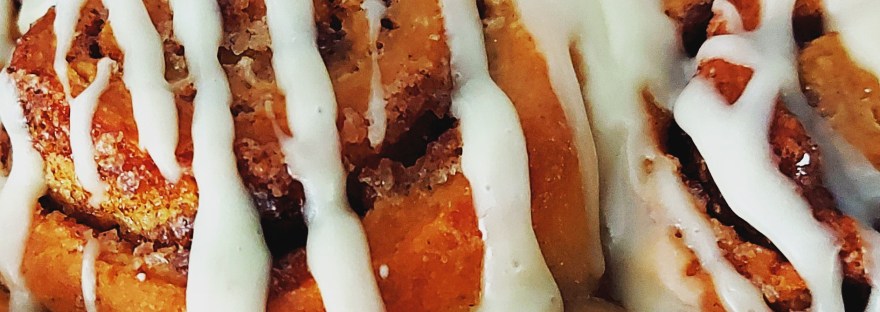
4. Autumnal or festive baking – sometimes, cosy just means homemade cinnamon swirls. Maybe its a 10 minute break from work with old music and eating some homemade apple pie. Or, it could be a project to keep in mind. This year I’ve made my first Christmas cake, and every two weeks (every other Saturday morning) I feed it two tablespoons of rum. I find myself planning how I’m going to decorate it. And, I think things always taste better homemade. Each of the above I’ve never really been keen on, until I’ve put the time in to make it myself.

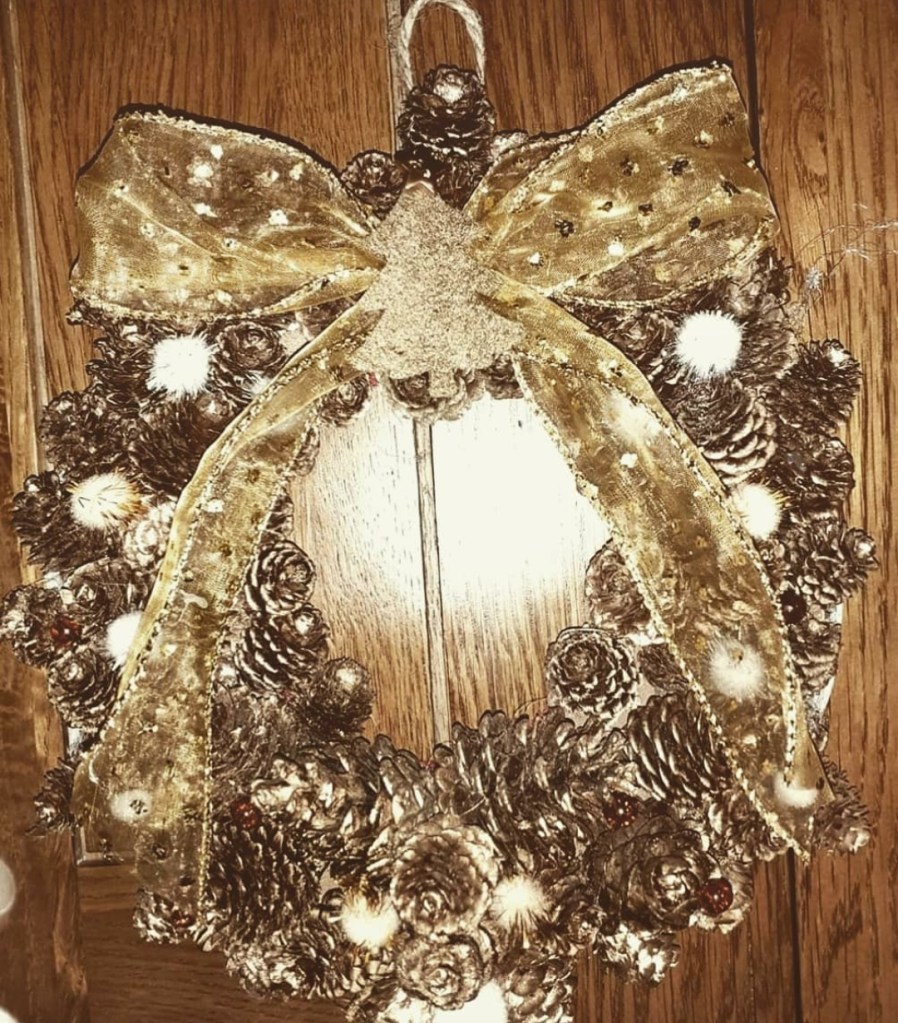
5. Going all out with the decorations – this year I think people will go all out with decorations, and I will be one of them. With my office now at home, I will have a little tree on my desk. I will have flashing lights, and I will wear Christmas pajamas if I like. And no one can tell me otherwise. Have fun with it. There’s also very cute decorations you can make, as mentioned, out of ribbon. Little trees out of bows are very nice, as are wreaths made from pine cones you found yourself.