Opinion and Advice, Uncategorized

Vaccines – what caused our over-sharing society to become so paranoid?

Is this real life? Or is it just science fiction fantasy?

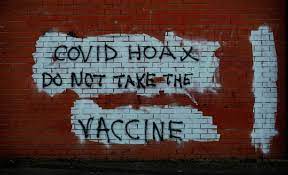
For 18 months, the world we see on our TVs and at the shops has looked more and more, and then less, like what I imagined the real life approach to a pandemic would look like. The movies are always keen to show social collapse, violence over a can of baked beans, and eventual uprising of the everyman who up until now, was just another regular pen pusher whom the viewer knew was capable of something great, because Brad Pitt was playing him. Instead, loo rolls were among the earliest casualties, our messy haired priminister had progressively appeared more and more squiff and while the death count rose and fell, anti vaxers were on high alert, holding kids parties with aggressive smile on their smug faces. I don’t like to use the term Karen, because. I’ve known some nice ones. But we know the type. Anti vaxers have created some hum dinger theories about vaccines. And as someone who’s fiance was diagnosed with autism very early on in life, I know it is a personality type with too many facets to be delivered in a vial.

But the latest pandemic has really brought out the almost militaristic conspirators out and given them a reason to be, and I saw this for myself at, ironically, a wellness event.

On a recent weekend, we visited a wonderful Living Well event in Shrewsbury, a town local to myself. The birth place of Charles Darwin, and I’m sure this is ironic somewhere down the line. There were talks about meditation, Buddhism and yoga, and tents advertising holistic healing practices such as reflexology and sound baths. As someone who loves learning about what others believe and why, while also learning techniques that may or may not help me, I was in my element, and wanted to soak in what I could. So, to the band stand I went for a talk about conscious eating. It was packed. I was approached by a fellow who seemed quite zen, and we started talking. It was then that I realised, when he mentioned protests, that one of us was at the wrong meeting. It was him. They were anti vaxxers and covid deniers, and they were promptly moved on.

This interaction got me thinking for the rest of the day. I would like to think that, had I stayed, what the conversation would have been like, and if they would have taken a bit of counter argumentation. I would love to ask someone why the earth’s governments would lead its economies into despair for the sake of a ‘scam’.

My favorite theory is that with our vaccines, we are being injected with a microchips. These microchips will gather information from us, track our movements, and some other cool things no one feels absolutely hundred percent about. Where are the breading grounds for such ideas? Social media. Anyone else think this is ironic? Yes, I know, I’m overusing the word.

A couple of years ago, I started work for a company that dealt in pensions. During our training, I took away some very valuable information concerning social media. One example was quizzes and questionnaires. We’ve all done them: which Disney Princess are you? What flavour Jelly Bean are you? How many children will you have? To find out this pivotal piece of information, we go through a series of questions like, what is your clothing style, what is your favourite food, where are you most likely to spend your Saturday nights? By the time you get your answer, the companies that created these quizzes know enough about you to target your social media pages with adverts on things you might like, based on your answers. If you answered that you’d spend your Saturday night reading a book because you secretly want to be Belle, don’t be surprised to get shown some great reading material on your feed.

Obviously, any amount of time spent on social media displays the nature of present society; our walls are adorned with memes our friends have tagged us in, parents are often more than happy to share photos and cute videos of the latest adorable thing their little one has done. We check in to bars and exotic sites we visit on holiday, our likes include favourite bands, books and movies. And that’s just Facebook. On TikTok, people share their family members and households, with everything inside, for potentially hundreds of thousands of people to see for the sake of doing some dance challenge (I don’t know TikTok). And all this is done through mobile devices we carry around all the time. We search embarrassing ailments on Google, we buy every day items on Amazon, we date through apps such as Tinder. So my question is, if we were to be micro-chipped, what other information could it take from us? We are track-able as we are transparent. And really, for those who are prepared to share every headache and bowel movement, what more is their left to hide?

Obviously, I’m speaking hypothetically, because that’s all I think anti-vax arguments deserve. Vaccines have eradicated small pox, they’ve paved our path out of this world wide lock down. The suggestions that they turn children gay or autistic (or, at present, robots capable of only thinking what they’re told via a chip beneath the skin) just show the lack of knowledge or awareness of how vaccines, and people, work. It’s understandable to mistrust the vaccines in terms of how quickly they came into existence, but even this can be rectified with an attempt at finding out how vaccine, or any drug, trials work. The vast majority of trials is spent waiting around for paper work to be signed, boards and committees to get to the next thesis in a huge pile of theses (is that right?), for funding, yada yada. This process can take years…unless it’s a world wide emergency. Suddenly, the demand means that the thesis is at the top of the pile and the funding is coming from all corners of the planet. Covid vaccines happened quickly because they were a lot more necessary than the latest new and improved paracetamol. And yet, anti vaxxers continue. In fact, there’s a very good book I do recommend called Bad Science by Ben Goldacre, who delves into the logic (or lack thereof) of how vaccines garnered so much mistrust. In short, all it takes is some unrelated research papers, and a dose of iffy interpretation. It’s shocking, and frankly disappointing, that this decade old book is still applicable to today in this argument.

Opinion and Advice, Uncategorized

There Was Such Thing as Normal, and We Will Find it Again

Sometimes, I write a post for me. Actually, no. All the time, I write a post for me. A bit like a diary entry that I know people will be able to read. My thought is, what kind of thing would I like to read at a specific moment? What would help me right now? So I write something that would have done me good to read.

It’s normal to be apprehensive right now. A few months ago, we were in pubs and shopping aggressively to make up for the weeks or months spent in lockdown. By the New Year, it felt like we were back to square one. No restaurants to eat at, no Primark to shop in for clothes that we wouldn’t be able to wear until the next gathering. Just same old boring waiting at home, watching our lives pass by while key workers did their bit and saved the world.

And now here we are, going out again and trying to find where our normal is. I’ll be honest, it still feels far away. I go to the gym, and the odd meal out, but the arrow system and the increased number of anti bac dispensers are a constant visual reminder that we still have a ways to go. And it might be tempting to follow what an increasing number of people are doing; trying to rush into it. Since the vaccine has rolled out in it’s droves, it’s clear to see that some people think that we are well and truly out of the woods. But it’s thinking like that that kept us in lockdown in the first place.

So how can we still find our normal in these circumstances? And, importantly, how can we embrace the inevitable change a pandemic will bring?

1. Expect it to take time; it’s not going to happen instantly. There are enough sayings, proverbs and fables to remind us that things take time if they’re worth having at all. It might be a huge shift to go from staying in at night to choosing to go to a restaurant, or even from getting your shopping delivered to your home to going to your local shop to pick up the coffee. Baby steps might be your best option here.

2. Set your boundaries – your friends might be eager to rush out into the world and hug you the first chance they get. But this doesn’t mean you’re ready for such close contact. I’ll be honest, the social distancing thing, besides in terms of my family, has suited me down to the ground. I love having an excuse to not get close to people besides my own discomfort of closeness and touchy feely ickiness. I have a friend who is, contrastingly, very fond of hugging, and insists on hugs every time we meet. I don’t see the point in this; I didn’t miss her, I don’t need comfort, and I am generally not overly comfortable with it. When you go out there again, and see the people you haven’t seen for so long, set your limits to what you’re comfortable with; we’ve all lived this pandemic, and they ought to understand.

3. Not all changes will be bad – man, I miss buffets. I miss stuffing my face until I feel ill, but I also can’t ignore how it is rather a gross concept, potentially eating food that others have touched and, in any case, has been exposed to the air, containing pathogens catapulted into it via coughs, sneezes, laughter etc. I think the buffet is too ingrained into society to be phased out, but there are still changes I hope to see stay for the long term. I like anti bac being readily available, particularly going into shops where other people have touched the items I’m also going to touch. I like ordering on the phone app at Pizza Hut and not having to wait a very long time for the bill when all I want to do is go home and slip into a carb coma. I like everyone wiping down the gym equipment, even though they’re usually supposed to anyway but how many people really stick to it? I like arrows, I like order, basically. Even masks I’ve become quite fond of, particularly now that I can talk to myself without anyone seeing, or sing, or mutter insults to rude people. Sure, many of the rules and restrictions will lift, and they will be phased out, very many of them leaving with minimal sadness from any of us.

4. Decide what your normal you want, and chase it – not everyone entered this pandemic as someone who loved the nightlife, hugging, eating out most nights and travelled. To many, the pandemic brought very few restrictions, because that was how our lives were anyway. For me, I’m a mix. I love going out, and I love travelling and concerts, but I also enjoy staying in and enjoying my own company. Don’t feel like to have to do things simply because you can do them again. I can’t stand nightclubs. I’ve been to two in my life, and that’s enough for me.

5. Don’t let fear stop you – I know someone who’s been isolated since before Christmas, because she’s too scared to go out. For her, embracing normal is likely to be delayed and very difficult. Do things, and do them sooner rather than later. If you’re scared to go to a shop, go to a shop. You’ve survived a pandemic, you know what to do. Likewise, if you want to go to the gym, or swimming, do them. They’re safe and controlled at the moment, and as long as you do your part, you’ll be perfectly fine.

lists, Opinion and Advice, Uncategorized

Back to Life, Back to Reality – Learning to Appreciate

How many generations can say they have had their lives put on pause, just to be started up again more than a year later? Not in our life time has something happened on this scale, and it will feel strange as restrictions ease, and we can think about getting back to normal life. But what is normal life? For me, its going to an office to work, to a library or a cafe to study and watch the world pass by, to go on a holiday at least once a year. Simple pleasures, but as we inch closer to those things becoming more than a distant dream, we might find how much we appreciate them. Even if we appreciate them for only a moment, a fraction of a minute, it’s enough to feel it. It’s enough to make me see, anyway, that average life is something to yearn towards, with all its nooks and crannies, and that those little things really do matter.

So what have you missed?

Here’s my list, just because I’ve missed it all so much that I want to talk about it.

1. Eating at a restaurant – the first time I went to a restaurant after the last lockdown lifted, it was a new place in my local town centre called the Flying Elephant, and really, they could have served slop and I would have been thrilled to just be out seeing people. Alas, it was gorgeous and tasted all that much better because it was, at that moment, an out of the ordinary experience.

2. Travelling without feeling guilty – as I don’t drive, I rely on the public transport available such as trains. To keep myself mentally healthy, I based my office at my parent’s place, and my efforts paid off. I kept myself isolated, did my testing. But each time I travelled I still felt like a criminal.

3. Gyms – I love the gym, and yes, I know you can work out at home and go for a run anywhere, but there’s the atmosphere, the camaraderie, at a gym. Everyone there for the same goal, and I think that if you see other people working out, it encourages you to work harder. Plus hygiene is finally being kept up by everyone wiping down equipment, which is what they should be doing anyway.

4. Saunas – Ah, the reason for this post. I love saunas, steamrooms and hot tubs, and for the first time in over a year I used one, and it was wonderful, and I slept like a baby.

5. Travelling within the UK – once a month my fiance and I will typically do a weekend stay in the country. These places have included Stratford Upon Avon, Cambridge, Lincoln and Chester, but this has been on hold (obviously). But we’re planning a trip to Bath in a couple of weeks. It’s something to look forward to, to plan, as a little break from the norm.

The ordinary stuff, up until recently, went relatively unnoticed and unappreciated. I took for granted the liberty of going to a gym, out for a meal, hugs… with certain people, anyway. I know it won’t stick; not for me, not for everyone. But to understand how wonderful our normal routine truly is, even for a moment, is enough.

nature, photography

100 Days of Nature – The Beauty of Nature

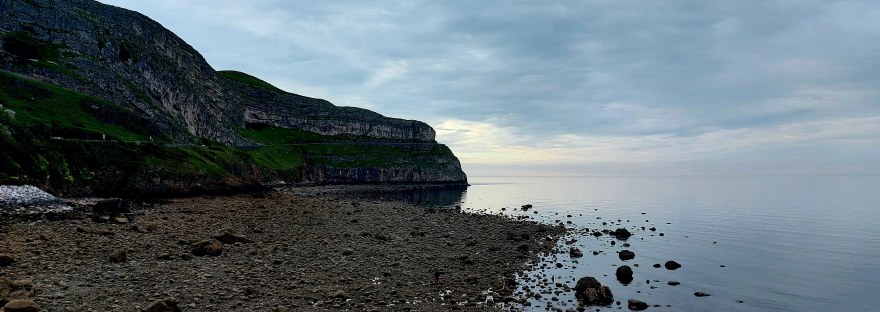
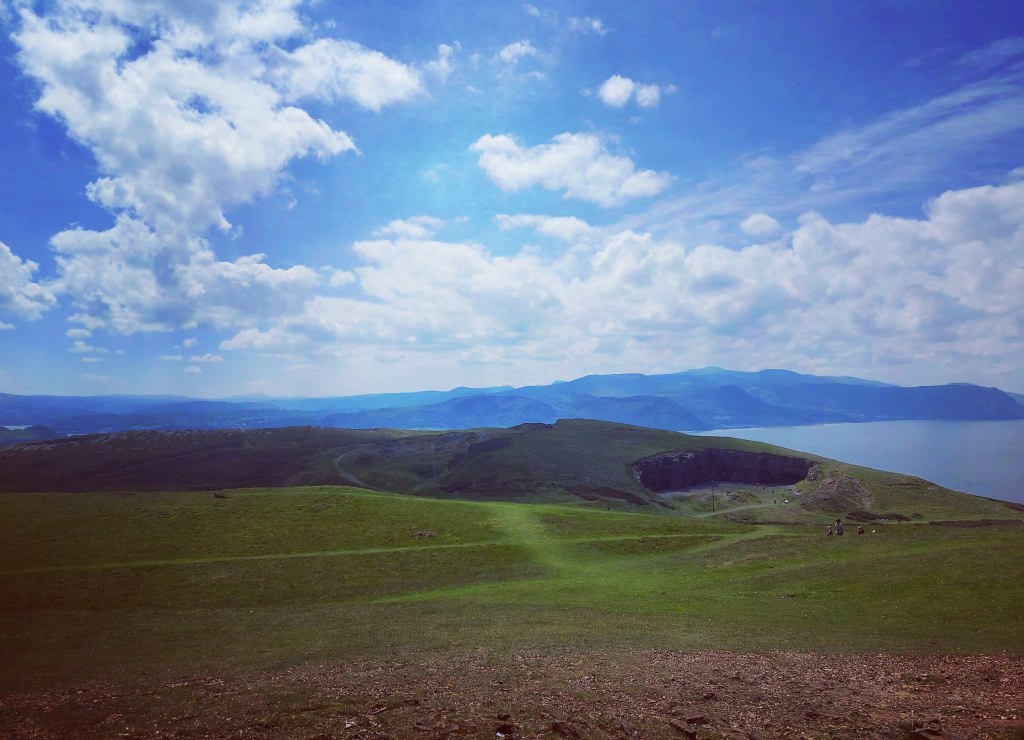
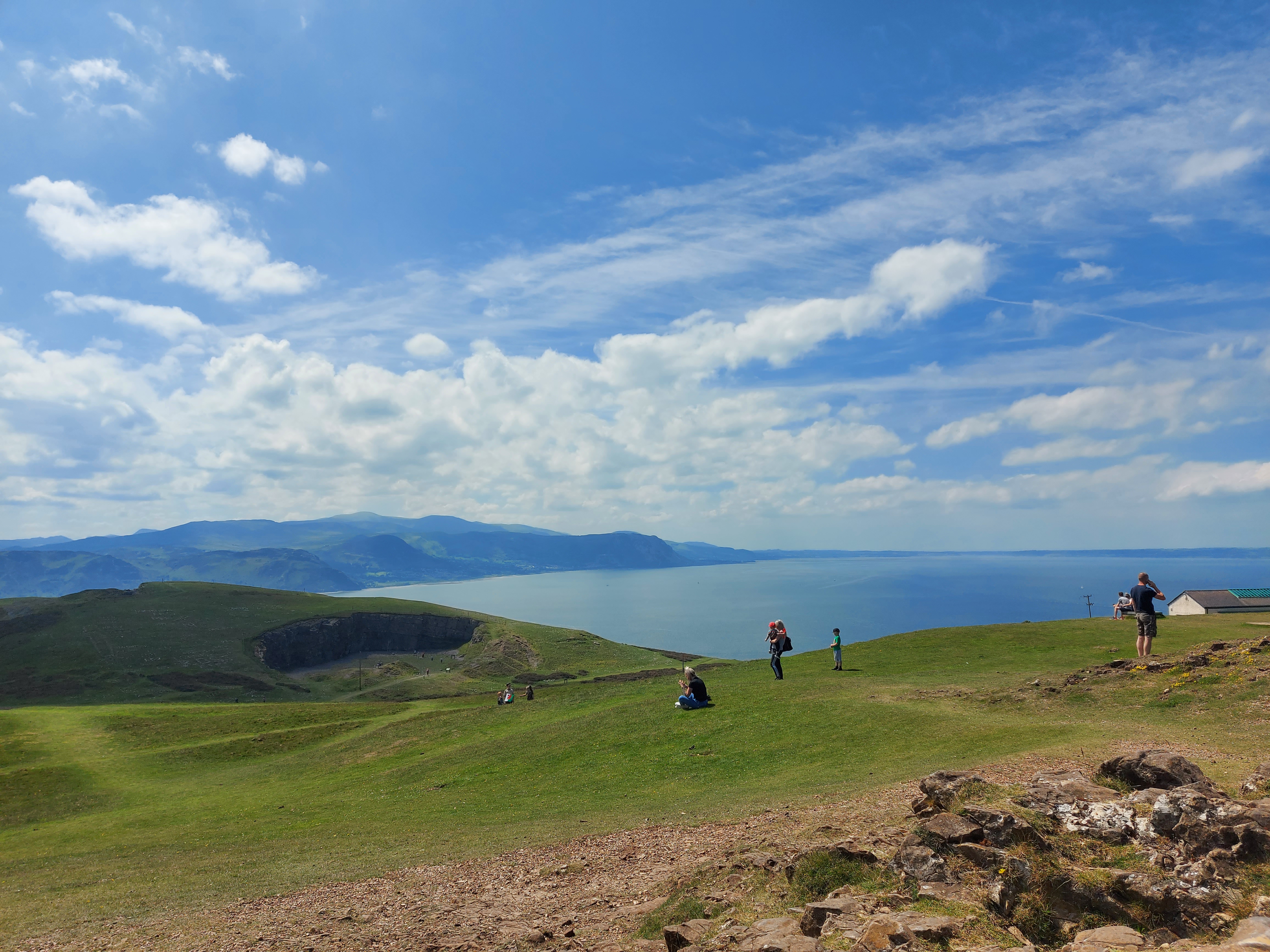
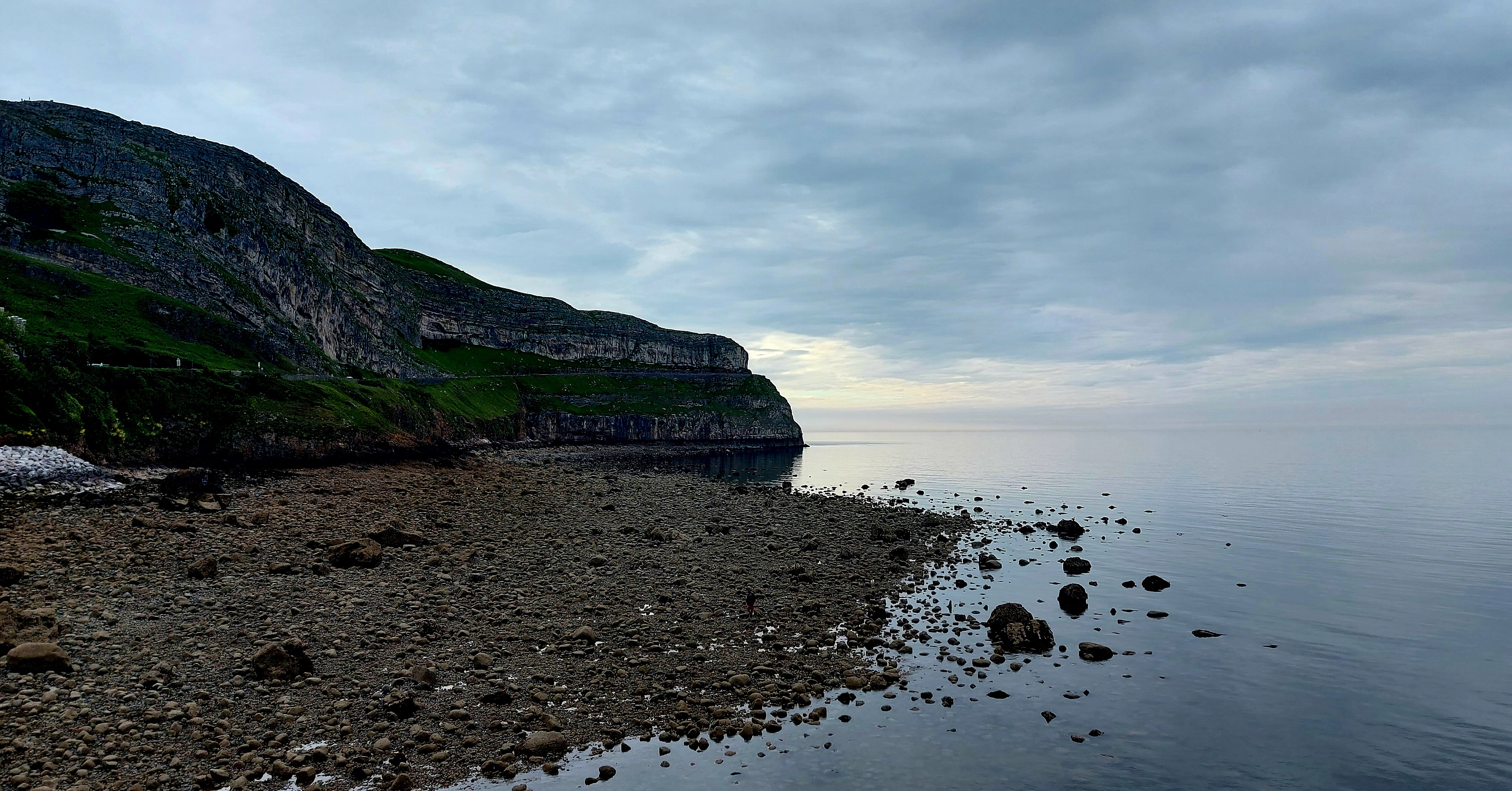
Okay, so I’ve not exactly ended this thing on a local note. I’m in Llandudno, Wales at the moment, but I’m still close to home, still having a so called ‘Staycation’.

It’s worrying how so many of us are determined to ignore nature, or not go that extra mile if we are able to. Of course, hikes aren’t everyone’s thing. But to actively question why do it is another matter.

It’s that attitude that leads to us losing it a little more each day.

artwork, Uncategorized

Things I Want to Say to Artists on Social Media

Social media can be great, but it can also be toxic. Pointing out the obvious, I know. But I have a specific reason for that. As an artist, I know how easy it is to get sucked into the world of follow for follow and what not. This is my second post on this topic, because really it just makes me sad to see people burn themselves out chasing likes, follows and fame.

The truth is, there’s a sad reality around being an artist on social media. And it’s this; for every artist who gets recognition, there’s hundreds who give up on their craft, or their aspirations to be a good or great artist, because they think no one is paying attention to their work. They think, “if no one likes my work, this means I’m no good,” or the like. This is not the case. I’m going to be blunt here, I’ve seen many great, skilled artists with very few followers on Instagram, while those with limited skill have thousands. I myself have under 300, and this used to bother me.

And then, the other day, I saw on Facebook someone griping about not being able to get above 750 followers, because people followed and unfollowed days later, and so posted her link on a few art pages for people to follow. This was responded to with the dreaded ‘follow for follow’ requests.

Now, I think what her problem was was that each person who unfollowed was formally expecting a follow in return, and so stubbornly clicked that button in protest. So many artists want something in return for their simple click of a button, and that is how it has become such a powerful action, the difference, for some, between having a day confident of one’s skill, or thinking you’re a failure because not enough people liked your latest post.

But I’ve being thinking about this during this pandemic. Afterall, if anything it has been a time for reflection, where social media has become such a prized tool for networking, what with an opportunity for small businesses to potentially thrive in the face of mass store closures. Drawing may be your income, but for those of us who just like to create, where do you draw the line?

This is how I see it;

1. Being an artist is often about reciprocation ; you’ll get a follow or a like because people like your work. Sometimes, however, it’s because they want your likes and follows in return.

2. If you draw for likes, you’re not creating for good reasons ; drawing is such a sharable, useful skill. But what is the point in doing something that ought to be relaxing, inspiring or just something that is meant to bring you joy, if you’re going to get stressed and miserable over it instead?

3. Stick to what you’re good at ; some people can pluck an idea out of their head, and put it to paper. Others can replicate a face directly with pencils. But if you have a niche, no matter how obscure it is, that will bring you much more happiness than attempting a shareable fan art piece of the latest movie character you probably don’t care about.

4. Think about turning art into your income; really think about it. Drawing day in and night out might sound like a tremendous gift, but do you really want to turn something you love into a chore? I remember when I was fourteen, having started my GCSEs at school, and I chose media instead of art. I was told this was stupid numerous times because, for me, they thought art would be an easy win. Even one of my teachers told me I wasted a GCSE. But I also love film, and thats why I chose media studies. It wasn’t wasting a qualification in anyway, and if anything, I feel I love my skill more because I have a choice in it. But customers, in short, can be crabby. Most are delightful, don’t get me wrong, but you also get the ones who don’t understand that a drawing is an interpretation, not a print out. Drawing is a honed skill with a person’s hand doing it, not a soulless computer. It takes time, resources and confidence to put yourself out there, and confidence can shatter just like that.

I’m not trying to put anyone off. In fact, I’m trying to be that pragmatic person who wants artists to keep loving what they do. If you don’t get so many likes as you thought you would, that’s okay. Van Gogh was questioned, doubted and insulted for his percieved lack of skill, and today is arguably the most celebrated artist of his generation. There’s so many of us now, and so much talent out there. Talent shouldn’t be wasted on shallow things such as likes.

lists, Uncategorized

Are To Do Lists the Death of Productivity?

If you have read any of my earlier blogs, you would know that I love a good list. Or, at least, loved. They’re organised, neat, and just creating one can give you a sense of productivity and control. A list represents order, allotted time for certain tasks.

But there’s another side to them, too. Lists can show you how much you have to get done, how much you think you have to do, just to complete the list. If you’re the way I was, an incomplete list is like having an altogether unproductive day. For me, having just one item left, forgotten about or pushed back until the end of the day, was both frustrating and daunting. If i’m honest, it was usually my 10 minute session on Duolingo, learning some French I probably wouldn’t remember afterwards. If I did it, it was the bare minimum, but it counted, didn’t it?

Not necessarily.

I can’t remember the last list I made. I haven’t abandoned them altogether mind, and that’s not what I’m suggesting. But really, what does a to do list contribute towards getting all that necessary, and unnecessary, stuff done? Because I’ve found that not tying myself to a task not only makes me more productive, but it also leaves me much more free time.

So this year I made a dreaded, apparently doomed to fail new years resolution. Doomed to fail because, beyond the first couple of weeks of January, aren’t resolutions doomed to fail by simple self fulfilling prophesy? I think people make them sometimes just to fail them, and then they can laugh about it later about how naive they were, how hopeful they began the shit storm of a year behind them (for some people, no matter what happened in that year, it’s inevitably going to be branded a shit storm.). There’s almost a culture being created around choosing drinking wine in place of a workout and moaning about the shape of the globe on Facebook. But anyway, I digress. Where was I?

Oh yeah, lists.

So I made a resolution to start learning guitar. Properly, this time. A few of my friends have done it, I started back when I was 14. Despite owning three guitars, one of which I made myself, I never could remember a single chord. I tried to stick to this resolution last year, too, but alas, apparently a pandemic gives you copious amounts of time, but its not always paired with motivation. Usually, I would look at the item on my list marked ‘guitar practice’ and pass it off as unimportant. I’ll do more tomorrow.

Now that I don’t make lists, I not only get to practising every day, but I remember more too. And this hasn’t just been the case for guitar. I decided to start learning Spanish on Duo, and I’m on my 31 day streak. I draw more, I read more, I’m more organised in my yoga and running (every Monday, Wednesday and Friday) and still manage to keep the apartment tidy, my bearded dragon alive and set aside more hours than I’m happy to admit on the internet to binge watching Supernatural. I’m not humble bragging (okay maybe just a bit, but now that I meditate I think the smug bug has got me just a tinsy bit) but I think this just shows how unessential lists are. A list can organise your time, but they can also create chores out of things you ought to enjoy. Hobbies are there for exactly that. Enjoyment. And as for cleaning, am I wrong for enjoying this too? It’s a part of life, we might as well make the best of it.

My point is, there comes a point where you’re doing things not because you want to, but because you feel like to have to. It’s exhausting, and its not as productive as you think. If you want to do it, do it. But you don’t have to. And don’t be scared to have a nothing day. Brains get tired, you know.

Uncategorized

Should Celebrities Be Punished More for Breaking Covid Rules?

Is it just me, or do people get more idiotic as the pandemic goes on?

I get it. We’ve been in this situation for going on a year now, and in some ways it feels like we are further away from coming out of it. Even with vaccines, the fourth just being announced, we are still a very long way from normality. And the longer we go, I guess the more tempting it is to just break a rule. Travel a bit further, meet a friend, hug a relative. And yet, so many of us haven’t. So why do so many think themselves above the rules?

For a few months now, £10,000 fines have been handed out left right and centre. From house parties to outdoor raves in abandoned train station tunnels, private funerals to 400+ strong weddings behind blacked out windows. But for some reason, famous people breaking the same rules just feels that bit more infuriating.

My prime beef is with the situation of Rita Ora’s 30th birthday party. We all know the story; 30 guests to a pricey upmarket restaurant in London, which was at the time a Tier 3 zone, which prohibited such gatherings. This happened weeks ago, but over the last couple of days police have issued further information concerning the set up of this party. Apparently, Rita Ora’s ‘team’ offered the restaurant £5,000 to open the restaurant and hold this private gathering, during which CCTV cameras were switched off (I believe, I know they were done to not capture the festivities, I’m a lousy researcher, and who has the time anyway?) and curtains blacked out the windows. When the police alerted the guests inside, they all fell quiet. Clearly behaviour of those being caught out.

So why is this so much more infuriating to me? I don’t think I’m alone in this either. The fact of the matter is, Ora was able to spend £5,000 just to ask this restaurant owner, who’s business had no doubt taking a hit in earnings, as so many other business have, to open this venue. The fine, which she so graciously offered to pay, was £10,000. Is that fair? This kind of fine might financially cripple so many, but I have an incling that £10,000 is not such a big deal to her. With numerous promotional deals for business ongoing, a new brand of tequila out, and a role in a frankly god awful looking film (yes, I love Oliver! and just let me have my rant) is she really regretful of her choices from an earnings perspective?

So this raises the question; should celebrities be punished more for breaking the rules? In short, I say yay. The fact of the matter is, she is a public figure. So many politicians have lost their jobs over travelling a long distance or going to pubs, partly because of their public image. As for the general public, their mistakes cost them an eye watering fine, potential naming and shaming among relatives, and maybe even blurred out footage posted online. This could be damning to anyone, and that’s why I think standardising the fine for everyone to one amount is unfair. I think a celebrity, a high earning public figure with a thriving career in multiple forms and a large following ought to pay a higher price.

Instead of a standard £10,000 fine, the fine should be worked out in a similar way to tax. A 5 or 20% cut, say, of their annual earnings for that year. Perhaps it should be donated to help towards the covid efforts, PPE and extra staff and all that. I also think that promotions of their own products should be suspended for a period of time. I think they should be held accountable for their actions, and maybe even throw a bit of suspended social media activity. Years ago, that would have sounded like grounding a teenager for staying out too late. Today, so much is achieved through apps such as Instagram, TikTok and Twitter, that it’s become a viable tool to become famous, and keep getting more famous.

For everyone, I don’t think it’s enough to issue adverts of radio asking us if we can look someone in the eye and lie about our adherence to the rules. Instead, I think it should warn those breaking the rules to such a brazen degree that if you choose to break them , no matter who you are, you are wilfully giving the powers that be permission to use your photograph and name and share your identity as one of the few who are potentially keeping us all in this mess. That they were contributing to the spread of a virus that has prevented people from meeting loved ones, from comforting a relative in their last moments, from celebrating life events in the way that they should be celebrated.

I think that if people feel their name, popularity and reputation is threatened, they are much more likely to comply than if they are told that people will die. Sad, isn’t it?