Uncategorized

Small Acts of Kindness That Aren’t as Small as You Might Think

I think that it’s better to do the right thing for the wrong reason than to do nothing at all. To be selfless, truly selfless, in my opinion, doesn’t really exist. As humans, we tend to do things if they serve us. Even charity is often preached with an incentive. A cuddly toy to sponsor a snow leopard, a medal in exchange for a sponsored run (not to mention the photo opportunity). But does that make it bad? Is the benefit of our own self esteem so selfish? Positive reinforcement does encourage behaviour after all (it’s what it’s there for) so why wouldn’t you want to feel good after doing something nice for someone else? Altruism makes the world go round.

But, there are so many things stopping us from being kind sometimes, that have nothing to do with guilt. Maybe we’re afraid of looking foolish incase our help is rejected, or maybe we might come off as patronising. No one wants to look naive or vulnerable either, and I’ve also heard say in one of my rare deliberate attempts of being nice that it comes off as childish.

So, while the world has been put on hold while we battle a pandemic, there has been so many stories of heroes raising funds for so many different causes, while so many of us are wondering what we can do. The truth is, often it’s the small acts that contribute just as much, or more, perhaps, than one central one.

1. Food donations – in every supermarket I go to there are bins for food collections in aid of homeless or struggling families, and sometimes animals, too. Ask around for spare tins of food, or just toss a few in your shopping with the intention of donating them.

2. Reviews – yes, reviews can make or break a business. Rant time, but I have one person in mind, who felt it pertinent to expose a small frozen yoghurt business for triggering displays. The thing is, one nice review for a small business can make one person’s day, and encourage custom. If you’re tempted to write a bad one, consider why you felt your service was bad. Was the server short with you? Maybe they had a bad day. Was the food late? We are in the time of covid, where restrictions and limitations mean that resources may be spread thin. If you really need to, contact the business and give them pointers. Otherwise; you know, maybe the people of that small Californian froyo business have reasons for wanting to encourage healthy options? The world isn’t built for you, Demi. Attacking a business and sharing screenshots shows one intention; to ruin them. But why?

3. Offer to help a colleague – if you think someone might need help, offer to help, whether it’s workload or just a task they need covering while out of be office for an appointment. They may brush it off and say they’re fine, but it’s nice to have the option.

4. Say hi to a friend – we’ve all been feeling isolated recently, and maybe the days have become so same old that we don’t realise how long it’s been since we spoke to someone. Saying hi let’s someone know that you’re thinking of them, and that you’d like to talk to them. As someone who has known the loneliness of not having friends, I know that this is such a powerful thing to receive.

5. Just being pleasant – never underestimate the value of manners and a nice smile; it might renew someone’s faith in the human race. You never know who is having a rough day, and just being entitled isn’t worth it. Smile and wave, boys. If a cashier person asks you how you are, ask them back. While it might not be etiquette, it might also offer a nice break to thoughtless customers who just ignore the person because, well, it’s their job.

6. Recognising if someone wants to talk – apparently I have a kind face. Which means I smile a lot, and I don’t look like I’m just wishing the person to shut up. And when I’ve been told I’m easy to talk to, it feels nice. And yes, maybe someone might get that vibe from you as a stranger at a train station, but as long as there are people around, what is the harm? I remember when, in broad daylight by the way, someone just started talking to me at the train station, and it was probably a little bit of a shock for him that I allowed him. He told me about the recent death of his parents and how he and his sister have taken on their business. He may have been bullshitting, but maybe, just maybe, he needed to offload. For every asshole, there’s 10 genuine people who just want to rant to a stranger.

Remember, though; you can say that you’re there for someone whenever they want you to be. But that doesn’t mean you always can be available. Maybe you need help, because, well, everyone needs help sometimes. Saying you don’t doesn’t change that. But, if someone offers you help, what’s the harm in taking it? If a colleague offers to help you, they probably feel good in themselves already. Don’t be put off by thinking you’re inconveniencing someone else. To every piece of help there’s someone who wanted to help, and wants to continue helping. Helping makes us feel good, and we spend so much time feeling bad about ourselves and the world around us, but what does that achieve?


Opinion and Advice, Uncategorized

Mental Health Thoughts – Week One – Stress is Not About Point Scoring

Stress, anxiety and depression do not need a cause. There isn’t a blueprint to each one with outlined causes and risk factors. Poverty, while a huge risk factor, does not guarantee depression. Likewise, wealth does not guarantee happiness. It’s an age old comparison that we sometimes forget, but that doesn’t mean it’s okay to minimise someone’s suffering because we perceive them as privileged. We are all fighting those silent battles.

Opinion and Advice, Uncategorized

Over-rule Overthinking – How I Learned to Manage my anxiety

Anxiety is one of those things that all of us have experienced, and, when it conflicts with our everyday life, we might get a diagnosis. Social anxiety, generalised anxiety disorder, panic attacks, agoraphobia…. as time goes on, anxiety is becoming more and more commonplace, made aware of, and diagnosed. I’ve suffered with anxiety for most, if not all, of my teenage and adult years, and while I’ve never been diagnosed with anything, I don’t need a weatherman to tell me it’s raining, and I let it stop me doing what I wanted for a large portion of my life.

One particular incident that sticks in my mind is being scared to go to school. I had no reason to be, but I was at home in my living room staring at the front door, in tears. It was completely random, and probably happened three times during my whole time at secondary school. Another time was when I had a panic attack at the front of class during a presentation. But I’ve discussed my fear of public speaking before.

So how do you get out of letting anxiety rule you to the point of not going out, simply because your heart races at the very idea? Anxiety and panic manifests in so many different scenarios for people; going to class, going to work, before a big life event like a wedding, or when confronted by the very thing we are most afraid of without really knowing why. The key is to confront your fear, but in a measured, structured way. Of course, this process is different for everyone. It might be a case of defining a list of what we’d like to achieve and working through each item, step by step.

First and foremost, anxiety is defined by worry, panic and negative thoughts. The typical cycle begins with a event, that typically triggers a negative thought and that leads to a feeling. Often this will lead to us fearing similar events. One example might be to be among work colleagues, and you say something; maybe it was a joke that no one laughed at, or you stated a fact and were told you were wrong. I use this example because I used to be terrified of saying something wrong incase I was seen as stupid, and would get flustered any time I was ever even responded to. In this case, you might get embarrassed, you heart might beat hard and your palms become sweaty. Later that night it is likely to run around in circles in your head like an old film on a loop.

So How Might You Break Out of this Behaviour?

1. Narrow down your fears – it can be easy to let your anxiety bleed into everything you do. Fear of social situations can cause one to become scared of going out in general, even to the local shop. Anxiety in the form of phobias can have a huge impact on whether we go out to certain places. If someone is scared of heights, this may greatly diminish the likelihood of boarding an aeroplane. But where does the fear stem from? It might be such a long standing fear that it might be impossible to tell, but consider instead what makes you anxious about these situations. Do phone calls make you nervous? Why is that? Is it because you’re not able to see the facial expressions of the other person? If you scared of dogs, can that be rooted to an experience?

2. Separate rational from the irrational – the most known definition of a phobia is an “irrational fear” of a situation or object we might come across in our every day life. Now, there are so many different phobias around now that it’s impossible to know what all of them are. Some, I believe, are fully rational. Fear of heights, blood and confined spaces are all rational in my opinion, because they all present a real danger. Not all fears are to be overcome; anxiety is an evolutionary technique of self preservation to keep ourselves safe, and if we perceive something as being dangerous, such as a large spider, while it might pose a real threat to ourselves if we don’t live in countries like Austrailia, it is there for a reason.

3. Set your boundaries, and respect them – don’t do anything you don’t want to do, but if you have to, work up to it. This might be meeting with a large group of friends as an end goal for someone with social phobia. Start with a phone call with a friend, or perhaps a video chat. You’re in your own comfortable space, in your own comfort zone, and you can leave whenever you like. If you need to, have a reason to leave prepared. Maybe the doorbell went, or you have something cooking.

4. Talk, and listen – anxiety is far more common than anyone might think. The cruelty (and the saving grace) is that everyone has experienced anxiety, and its highly isolating effects. It’s so easy to feel alone during a panic attack, and we might avoid potentially helpful experiences in case they trigger one. But talking can help, if you’re talking to someone who’s willing to be open about it. Thankfully all of my friends, close family and fiance have all had experiences with anxiety that have made them open about it, because they know. They know the value of talking about it, of describing each feeling and why they felt it.

5. Challenge yourself – once in a while, you’ve just got to think, well, fuck it. My big step was going somewhere alone. I really tried with the cinema, but try as my logical mind did, I still pictured being the only tragic person alone watching The Phantom Thread at Cineworld in an empty auditorium, a single shadow. So on that day, I figured I’d do something else equally daunting, and potentially more empowering; going for lunch in a restaurant by myself. I had my book, it was wonderful. The weather was lovely, I had no rush in me because I had a half day at work. Bliss. I couldn’t be stopped after that until…well, you know. And by the way, if anyone if unentertained enough by their eating companion to notice and judge you for being alone, don’t worry. They’re most likely envious that they haven’t got the confidence to do it.

6. Recognise the benefits – there are far more benefits to breaking free of the restricting habits. But, of course, the safety of the cocoon anxiety nets around us leaves us at little risk of danger. In this cocoon, we cannot make a fool of ourselves, cannot say the wrong thing, and probably wont have a panic attack unless we think really hard about the toll anxiety is having on our lives and our mental wellbeing. But to break out of that let’s you become more aware of your strengths and that, despite your worries, you were still able to make the push outwards.

Ways I Conquered the Rule Anxiety Had

1. Going for lunch alone

2. Going to lectures and library talks alone

3. Going on holiday without my parents (I have an absolute conviction every time I line up for check in that I’ve arrived on the wrong day).

4. Taking charge of meals with friends and family by booking myself.

5. Making phonecalls

6. Going to London alone

7. Presenting an idea to my workmates before I had time to get nervous and didn’t say a thing

nature, photography

100 Days of Nature – The Beauty of Nature

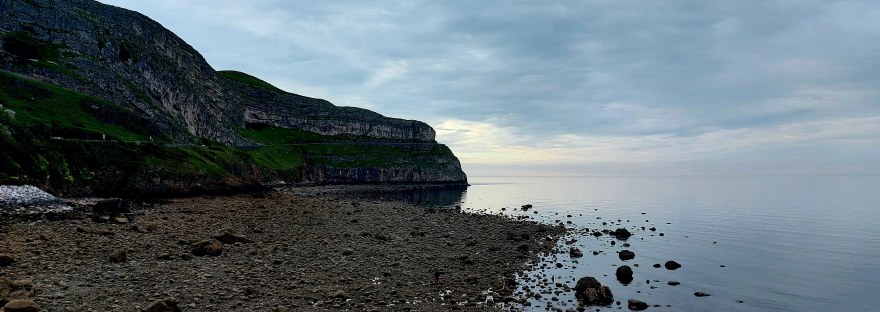
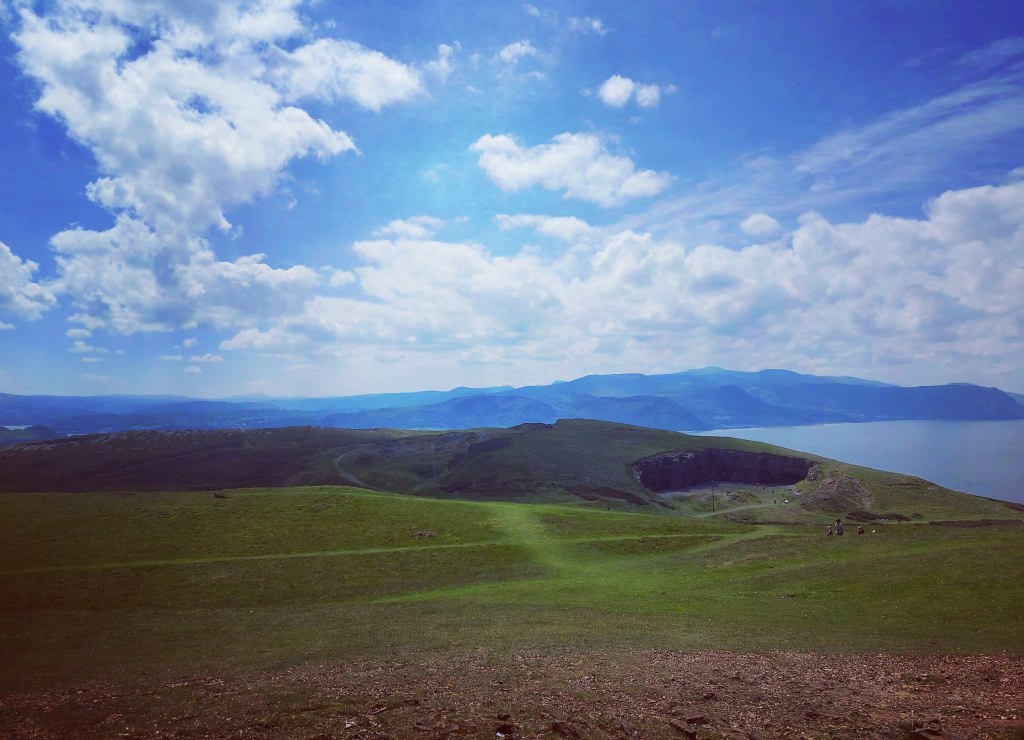
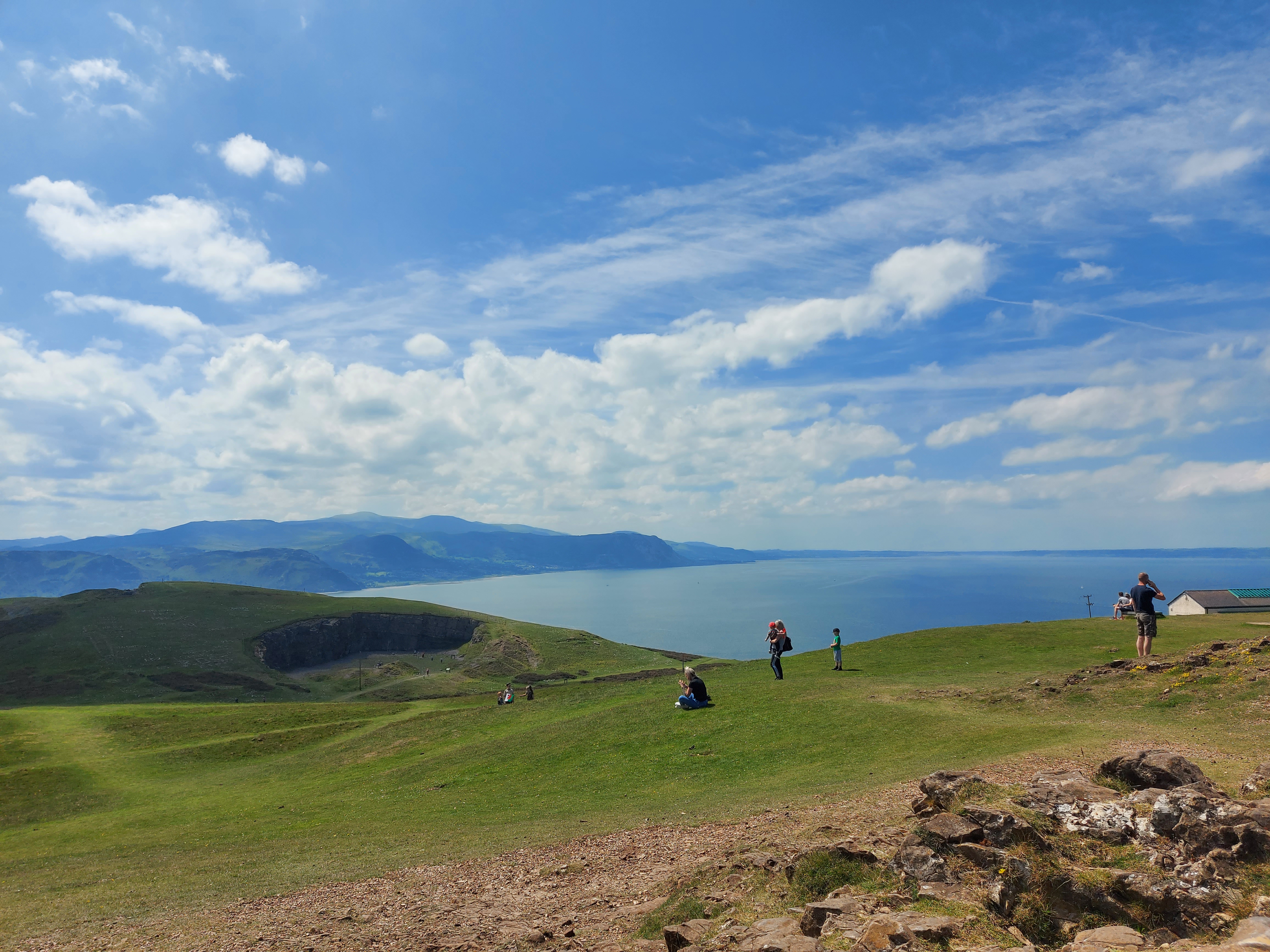
Okay, so I’ve not exactly ended this thing on a local note. I’m in Llandudno, Wales at the moment, but I’m still close to home, still having a so called ‘Staycation’.

It’s worrying how so many of us are determined to ignore nature, or not go that extra mile if we are able to. Of course, hikes aren’t everyone’s thing. But to actively question why do it is another matter.

It’s that attitude that leads to us losing it a little more each day.

nature, photography

100 Days of Nature – Day 87 – All in One Place

nature, photography

100 Days of Nature – Day 83 – The Little Features

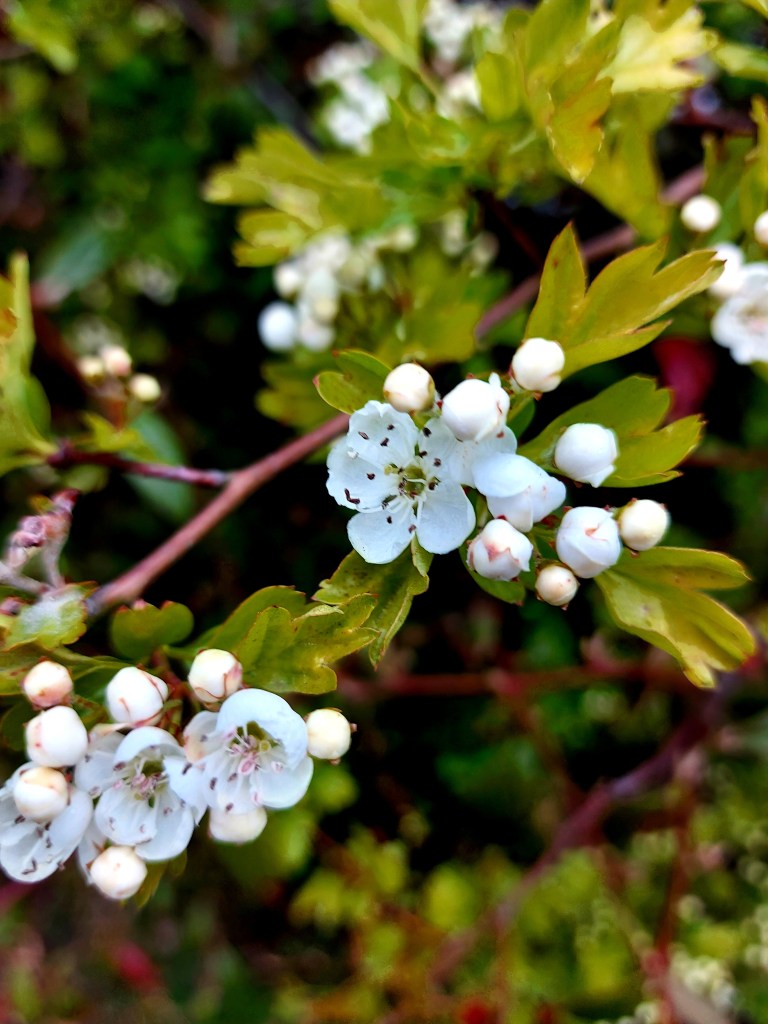
Look closer at the little things you come across and usually pass every day without a second thought, they may be more beautiful than you think.

nature, photography

100 Days of Nature – Day 83 – The Little Features

Look closer at the little things you come across and usually pass every day without a second thought, they may be more beautiful than you think.