Opinion and Advice, Uncategorized

Over-rule Overthinking – How I Learned to Manage my anxiety

Anxiety is one of those things that all of us have experienced, and, when it conflicts with our everyday life, we might get a diagnosis. Social anxiety, generalised anxiety disorder, panic attacks, agoraphobia…. as time goes on, anxiety is becoming more and more commonplace, made aware of, and diagnosed. I’ve suffered with anxiety for most, if not all, of my teenage and adult years, and while I’ve never been diagnosed with anything, I don’t need a weatherman to tell me it’s raining, and I let it stop me doing what I wanted for a large portion of my life.

One particular incident that sticks in my mind is being scared to go to school. I had no reason to be, but I was at home in my living room staring at the front door, in tears. It was completely random, and probably happened three times during my whole time at secondary school. Another time was when I had a panic attack at the front of class during a presentation. But I’ve discussed my fear of public speaking before.

So how do you get out of letting anxiety rule you to the point of not going out, simply because your heart races at the very idea? Anxiety and panic manifests in so many different scenarios for people; going to class, going to work, before a big life event like a wedding, or when confronted by the very thing we are most afraid of without really knowing why. The key is to confront your fear, but in a measured, structured way. Of course, this process is different for everyone. It might be a case of defining a list of what we’d like to achieve and working through each item, step by step.

First and foremost, anxiety is defined by worry, panic and negative thoughts. The typical cycle begins with a event, that typically triggers a negative thought and that leads to a feeling. Often this will lead to us fearing similar events. One example might be to be among work colleagues, and you say something; maybe it was a joke that no one laughed at, or you stated a fact and were told you were wrong. I use this example because I used to be terrified of saying something wrong incase I was seen as stupid, and would get flustered any time I was ever even responded to. In this case, you might get embarrassed, you heart might beat hard and your palms become sweaty. Later that night it is likely to run around in circles in your head like an old film on a loop.

So How Might You Break Out of this Behaviour?

1. Narrow down your fears – it can be easy to let your anxiety bleed into everything you do. Fear of social situations can cause one to become scared of going out in general, even to the local shop. Anxiety in the form of phobias can have a huge impact on whether we go out to certain places. If someone is scared of heights, this may greatly diminish the likelihood of boarding an aeroplane. But where does the fear stem from? It might be such a long standing fear that it might be impossible to tell, but consider instead what makes you anxious about these situations. Do phone calls make you nervous? Why is that? Is it because you’re not able to see the facial expressions of the other person? If you scared of dogs, can that be rooted to an experience?

2. Separate rational from the irrational – the most known definition of a phobia is an “irrational fear” of a situation or object we might come across in our every day life. Now, there are so many different phobias around now that it’s impossible to know what all of them are. Some, I believe, are fully rational. Fear of heights, blood and confined spaces are all rational in my opinion, because they all present a real danger. Not all fears are to be overcome; anxiety is an evolutionary technique of self preservation to keep ourselves safe, and if we perceive something as being dangerous, such as a large spider, while it might pose a real threat to ourselves if we don’t live in countries like Austrailia, it is there for a reason.

3. Set your boundaries, and respect them – don’t do anything you don’t want to do, but if you have to, work up to it. This might be meeting with a large group of friends as an end goal for someone with social phobia. Start with a phone call with a friend, or perhaps a video chat. You’re in your own comfortable space, in your own comfort zone, and you can leave whenever you like. If you need to, have a reason to leave prepared. Maybe the doorbell went, or you have something cooking.

4. Talk, and listen – anxiety is far more common than anyone might think. The cruelty (and the saving grace) is that everyone has experienced anxiety, and its highly isolating effects. It’s so easy to feel alone during a panic attack, and we might avoid potentially helpful experiences in case they trigger one. But talking can help, if you’re talking to someone who’s willing to be open about it. Thankfully all of my friends, close family and fiance have all had experiences with anxiety that have made them open about it, because they know. They know the value of talking about it, of describing each feeling and why they felt it.

5. Challenge yourself – once in a while, you’ve just got to think, well, fuck it. My big step was going somewhere alone. I really tried with the cinema, but try as my logical mind did, I still pictured being the only tragic person alone watching The Phantom Thread at Cineworld in an empty auditorium, a single shadow. So on that day, I figured I’d do something else equally daunting, and potentially more empowering; going for lunch in a restaurant by myself. I had my book, it was wonderful. The weather was lovely, I had no rush in me because I had a half day at work. Bliss. I couldn’t be stopped after that until…well, you know. And by the way, if anyone if unentertained enough by their eating companion to notice and judge you for being alone, don’t worry. They’re most likely envious that they haven’t got the confidence to do it.

6. Recognise the benefits – there are far more benefits to breaking free of the restricting habits. But, of course, the safety of the cocoon anxiety nets around us leaves us at little risk of danger. In this cocoon, we cannot make a fool of ourselves, cannot say the wrong thing, and probably wont have a panic attack unless we think really hard about the toll anxiety is having on our lives and our mental wellbeing. But to break out of that let’s you become more aware of your strengths and that, despite your worries, you were still able to make the push outwards.

Ways I Conquered the Rule Anxiety Had

1. Going for lunch alone

2. Going to lectures and library talks alone

3. Going on holiday without my parents (I have an absolute conviction every time I line up for check in that I’ve arrived on the wrong day).

4. Taking charge of meals with friends and family by booking myself.

5. Making phonecalls

6. Going to London alone

7. Presenting an idea to my workmates before I had time to get nervous and didn’t say a thing
Uncategorized

Overwhelmed by Productivity

Its easy to let it take you over sometimes. Work, family, those little tasks you’ve told yourself you have no excuse to not do. We don’t want to let anyone down, least of all ourselves, but has productivity become a toxic being since the world began to pause?

Now, I love being productive. Starting the day with a to do list and ticking things off as I go. I sometimes use my 5 minute screen breaks to do something, such as a five minute session of French on Duolingo (I know, still a screen) or doing a bit of tidying somewhere in the house. You can sometimes get more done in that 5 minutes than in 20. I sometimes add things I’ve done just to tick them off straight away, sad little soul I am.

But there are days when you just need to do nothing, and that’s were I fall short. Self care days, I’m sure, are wonderful. Days when you can commit time to just being, without having to think about meetings or cleaning or what you promised a friend you’d do as a favour. The most I’ve ever been able to manage is maybe an evening, following an 8 hour shift, a jog, yoga and cleaning the house. While some of these things can constitute as self care, telling yourself that you won’t be able to relax until you’ve done them isnt all that healthy.

So how can a true self care day be achieved?

1. Plan the evening before – make a list of what you need to get done, as in really need to get done. Deadlines, anything that has no exceptions. Write the deadline down and circle it several times, just to emphasise that it doesn’t need to be done tomorrow.

2. Make a list of reasons as to why you need that day – some of mine have been work related, and some have been degree related. Specify – you need to take a step back from your laptop, you need to gather yourself and organise your thoughts.

3. Think of the consequences – how many times have you walked away from your desk because a colleague was otherwise going to get it? Add this to your list, because conflict is a consequence of not taking time out for yourself. We’re all individual minds, and we can’t be around people all the time. Not if we want clarity with ourselves. On the flip side, what is a consequence of taking a time out? What is the consequence of doing exactly what you want to do all day? Whether it be writing, yoga, a walk or sitting down with an old movie and snacks, can you think of anything bad coming from taking that time?

4. Think of how you want to spend your day – my perfect self care day would be a respectable lie in (basically anything after my usual work start time) and a session of yoga before breakfast. A nice country walk, lunch (maybe making it myself) and coming home to do something creative before watching a 30s screwball comedy and ending the day with a good hot bath and candles. This might sound questionable to you, especially a 30s comedy, but think of how you would spend it, without thinking why.

5. Don’t feel guilty – I feel like guilt is probably the most common counter argument to self care. Taking time out to do nothing but relax can sound like a waste of time, until you think about it. And, if you do some of these things in order to relax (including tidying), absolutely power to you. It’s like sick days. I worked in a place were you got sacked if you took too many sick periods, regardless of reasons (I’m not exaggerating when I mean absolutely regardless) and it was damaging. But now, I’m reading articles telling us why we should be taking more sick days during the pandemic; for our mental health.

I feel that sick days being taken for mental health should not only be encouraged, but also in place as a bookable holiday. Surely that would result in a generally more rested workforce, higher productivity, and lower sick days due to stress and depression?

I feel like mental health, despite its increasing awareness efforts, is still put on the back burner in favour of productivity, and thats the case in everything. It’s become ingrained in us to perform on time, when we’re needed to. We scroll through our Facebook and Instagram, watching other people do amazing things. We see stories of people younger than us making a success of their lives, and trick ourselves into thinking that that is was everyone is doing.

But what has that success costed?

Uncategorized

‘It’ll Never Happen to Me’ – My First Cancer Scare

When I was 11 years old, I was convinced my hair was falling out, and that it was a sign of cancer. Of course, my uneducated brain didn’t know that hair loss was a side effect of chemotherapy, and with hypochondria common in my family, my otherwise (and since) non-hypochondriac brain went into panic mode. I wore my hair up all the time, thinking it would keep it all together. My friend at the time, a full time panicker, supported these concerns with her own. She once thought her gums were turning black, and that her belly button was going to fall out.

But, with relief and no embarressment whatsoever, I realised that the ponytail was actually my enemy, and I was pulling it too tight.

I’ve never had concerns since then, until a week ago. I found a lump. No pain, no heat, no rash. But all the stuff about tumours and breast cancer I’d learned in human biology a level fell out my ears, and my stomach dropped like it was in an elevator. I couldn’t sleep all night, and the next morning my brain was filled with it at my desk. A battle between self assurance and what ifs. It’s nothing, there’s no pain or any of the symptoms from the NHS website. But what if it’s early stages? I can still catch it if I get a check up. But what if they say nothing can be done? I’d rather live my life without that ticking above my head reminding me that I only have limited time left.

Of course, we do have limited time. We are living things afterall, and living things don’t last forever. And I’ve had those moments of clarity at random times once every few months. But never before have I been so struck with it. We, as humans, are naturally predisposed to think it’ll never happen to me. But it might, and it was a lesson that was wretched as it was necessary.

Monday rolled around, and, after a week of scaring myself and a panic attack, I told someone, and went to get it checked. It’s funny; once I’d spoken about it I was okay. Acknowledgement was key, apparently. I even went back online to look up benign breast tumours such as fibroblastomas, which are very common occurrences. Very few become insidious.

But the chat with the doctor helped. After an examination she also told me about fibroblastomas and how that was probably a worst case scenario.

At the end of it, it has been a learning curve. I like to treat what I can as a learning curve, and I probably overuse the term to annoying levels. But it was. It taught me that it can happen, to anyone at any time. Regardless of family history, or how little alcohol you drink. I kept thinking about my old school teacher. He told us his mother brought a book that detailed everything that was known to increase the risk of cancer. Certain soaps, tins, all that. She cut everything she could out of her life style and swapped for safer options, and a year later she was diagnosed with early stage cancer.

It told me about checking, and being familiar with what shouldn’t be there, and what should. It also taught me about bravery. A large portion of the battle was to admit to myself that I needed to acknowledge it, if just to confirm to myself that nothing was wrong. Not everyone is that lucky.

But it’s worth getting it checked, if just for the peace of mind. It most likely is nothing. But wouldn’t you rather know?

Uncategorized

Beauty in the Detail – Nature Walks

Appreciating nature is probably more important now than ever. And I’m not just talking about the awful and oh so prevalent topic of lockdown, quarantine, covid and all that. The truth of the matter is, the world is becoming a more concrete place. Fields are being lost to housing estates, office buildings are places we spend a third of our day in (in normal circumstances). And while we work from home now, it’s becoming increasingly possible that our houses are not only places we come home to relax. They may be our places of work, exercise, entertainment etc. I’ve noticed personally that there have been full days were I dont leave the house at all, simply for forgetting. Finish work at four, do all the things I’ve convinced myself I need to do, and then sit down and ready for the night. As the nights grow darker earlier, its easy to fall into this routine.

Now, we might not all have scenes of nature close by to walk around. I’m quite lucky in that respect, since I live in an area with quite a few wooded areas. But that doesn’t mean nature can’t be appreciated. Instead, it might just require a little bit of a closer look.

Another obstacle of enjoying nature walks might be why. I’m also guilty of this. I often fall into the trap of thinking that if there’s no purpose to something, no end goal besides a few breaths of cleaner air and a bit of sunshine, am I really gaining anything? Of course, those things are exactly what I’m gaining. If I’ve had a run in at work, or I’m simply irritated, my first port of call is a walk. But, sometimes a little bit of purpose doesn’t hurt.

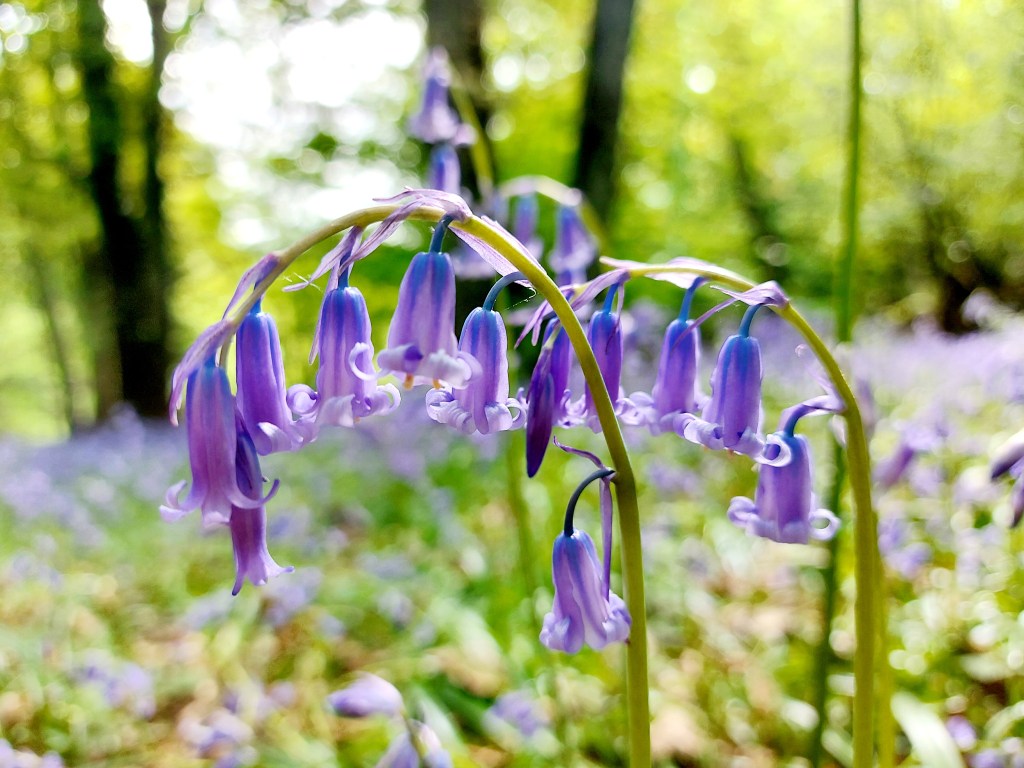
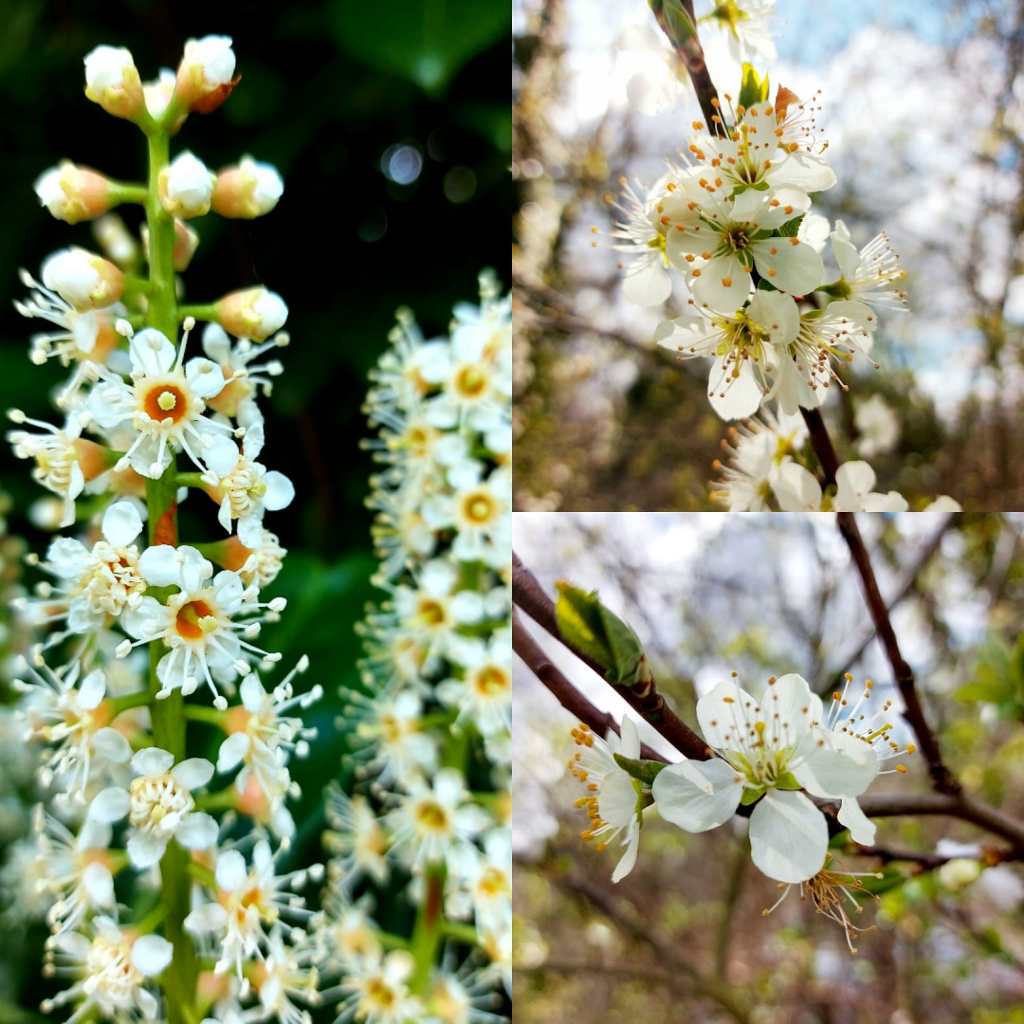
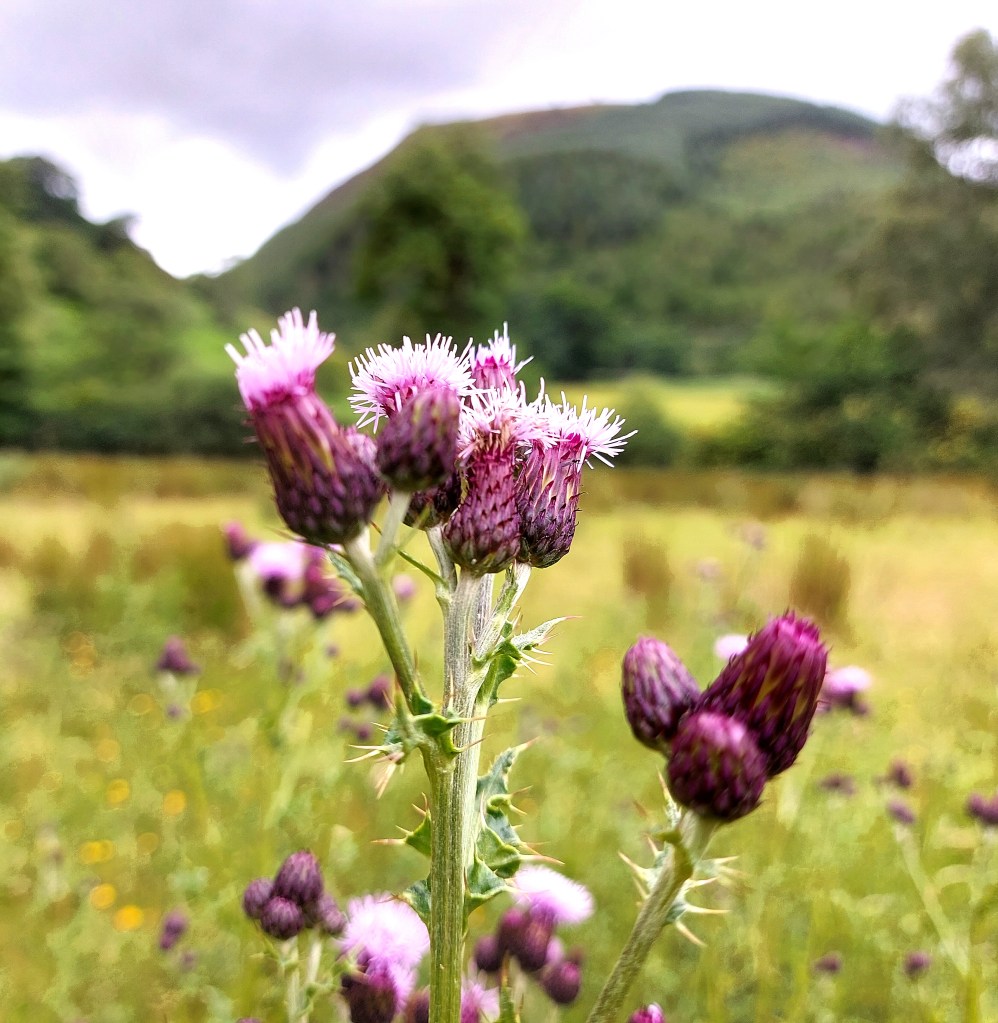
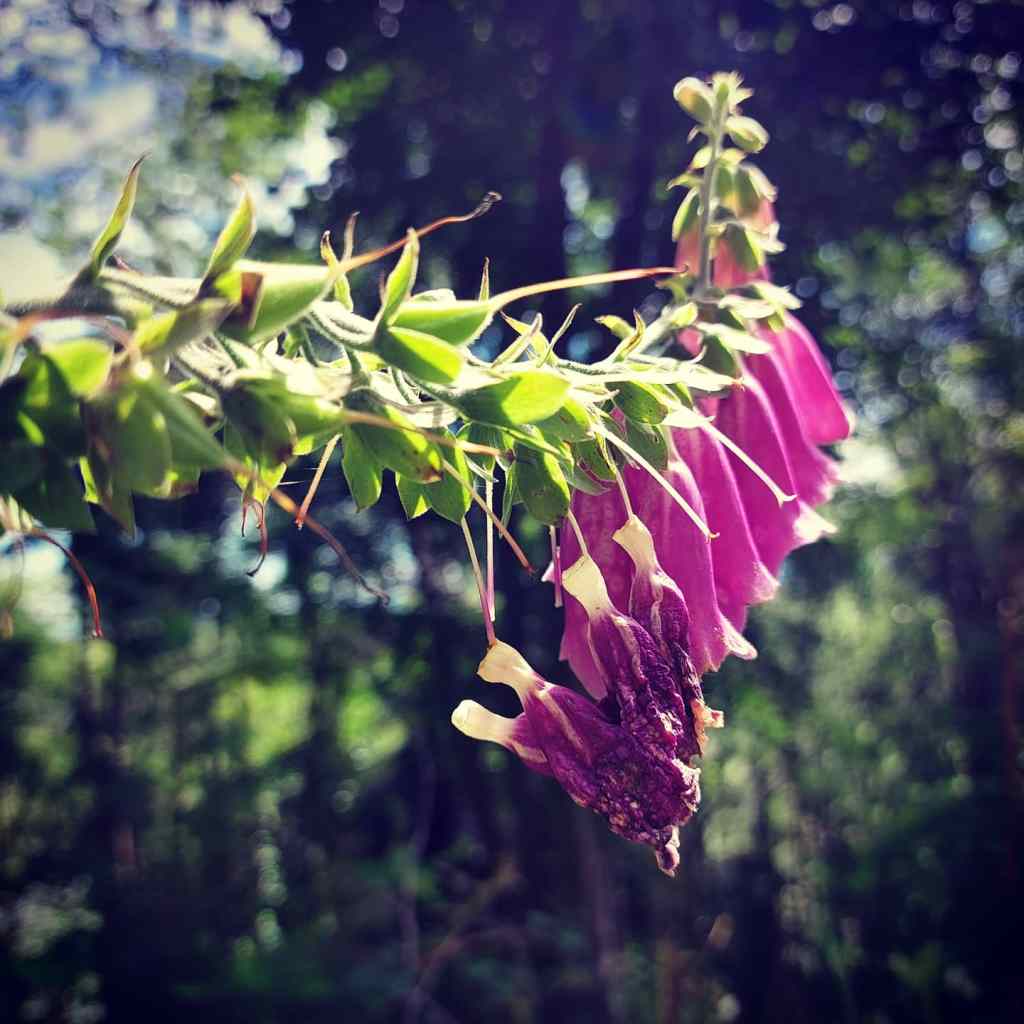
Photography – at the beginning of the year I got a new phone, and loved the camera on it. So I started taking photographs of some of the flowers I saw on my travels. Photographing things encapsulate a moment, and maybe you could try painting them. This can almost feel like making the moment last longer.

Audiobooks – If you read my ‘Escapism through books’ post, you’d know that I made the serendipitous purchase of a book bucket list. There’s loads of these about that you dont have to buy, just find online. I’m currently reading Lolita by Vladimir Nabokov, a frequent entry on such lists, and try to encourage myself to go out on walks by keeping listening to it specifically for walking. Plus, audiobooks free you to do other things, and can be found online for free.

Mindfulness meditation – up until recently I could never see the purpose of meditation. My mind wanders too much, and sometimes it is nice to be alone with your thoughts while outside. But there are also times you need to switch off, and just look at whats around you. It might be easier to be guided, and there are lots of guided nature mindfulness sessions on Spotify, YouTube, Audible etc. I noticed that my days are less frustrating when I do this just before work; maybe its the idea of a bigger picture, making oneself aware that the world is bigger than your makeshift home office.

A lone picnic – find yourself a nice view, such as a lake, a pond, or the top of a hill. Find it, take a seat, and eat. Maybe find a recipe for something, cook or bake it, and take it with you. Take your time, breathe in the clean air and appreciate whats around you. Last time I tried to do this was at the top of my local mountain, the Wrekin, with a family running around next to me, screaming. Very hard to appreciate them, but no matter. The cake was good.

Uncategorized

Stage Fright – A Perspective

When I was 14, I had my first (well, what I can recall as my first) experience of stage fright. It was during English class, and we had to separate into teams to present a fictional murder case. It was nothing to do with what we were studying at the time, which was sci fi in literature. One person from each team was selected to present the same bits of information, including the length of the slit on the fictional victims neck, before it was the next team’s turn.

I remember clearly how I turned out as the speaker, because I was the shyest in the group. I stood up, shaking, and lost all my words, and my friend was laughing in the front row. The teachers both fed the information back to me in questions, and I agreed, before sitting down, traumatised and embarrassed. I still look back at that moment of 30 seconds 13 years on with cringe and anxiety.

People reading the above and similar accounts may have different levels of relatability to this. I envy those who don’t get it, and think that this brief moment in time is not worth dwelling over. There are far, far worse things happening in the world than a panic attack starting before the laughing eyes of 20 13/ 14 year olds, and being handed a piece of paper assessing you on your performance. It was less than half, my failing being the extremely unconfident delivery. Of course, at the age of 14, we’d chosen our GCSE topics. I chose media studies over drama, so I didn’t think I’d ever need to work on my delivery of a fictional crime report.

Not long after this, we had another task in which we’d have to perform in class. This was related to the topic as we were studying monologues. I loved writing fiction, particularly the part of taking on a different perspective. I recall it being from the perspective of a teenage girl who was being ignored by everyone, and reflected and moaned about it for the whole piece. At the end, she walks in on her own wake at home after being ignored at school, not only realising that she’d died but that her father had killed her in a hit and run while on the phone a few streets away, and didn’t tell anyone. He was crying in her bedroom, and then it ended. Angsty? Extremely. Emo was a lifestyle back then. But I got very good marks for it.

But, being a monologue, we each had to prepare a performance piece and act the monologue out in front of the class. Pathetically I got my mom to write me out a note excusing me from this exercise because of a sore throat (I didn’t speak for the whole class to carry the act through) and was told by my teacher that it was, indeed, a pathetic excuse.

Since then, any hint of presenting information has brought me out in a cold sweat. I trust stage fright manifests in a number of diverse ways, but my experience is thumping heart beat and obsessively thinking about it until its over, reassuring myself that nothing truly bad will happen if it goes wrong.

But phobias, by definition, are irrational. I’d love to be able to do presentations, and I’d have loved to have been a teacher one day. Despite my fiancé’s experiences of actually being an NQT, his chosing to not pursue it further have not shattered my idealised picture of encouraging the growth of young minds.

So my thought is this. What is the value of these hateful exercises? Is it preparation for our careers? And if so, how many of our jobs have a presentation element to it? Aren’t there other skills that are infinitely more important for us to learn? Finance, CV building, understanding how the world works. The questionable relevance of what we learn at school has been discussed for a long time, anyway.

Or, are they designed to put us under pressure, to challenge us, to bring us out of our comfort zone? As a teenager, I grew up realising that some people are just comfortable with standing up in a room and talking. Why shouldn’t they be? What’s the worst that can happen?

But for others, no matter how many times they are berated for being too anxious to carry out a fairly pointless task, they will still be thinking about it the previous night, putting off sleep because they know that when they wake up, there worst nightmare is ahead of them.

Do you have any experience of stage fright? Or, if not, what’s your take on the matter? Got any tips? Note: before you say it, imagining some people naked causes more harm than good.