Uncategorized

Overwhelmed by Productivity

Its easy to let it take you over sometimes. Work, family, those little tasks you’ve told yourself you have no excuse to not do. We don’t want to let anyone down, least of all ourselves, but has productivity become a toxic being since the world began to pause?

Now, I love being productive. Starting the day with a to do list and ticking things off as I go. I sometimes use my 5 minute screen breaks to do something, such as a five minute session of French on Duolingo (I know, still a screen) or doing a bit of tidying somewhere in the house. You can sometimes get more done in that 5 minutes than in 20. I sometimes add things I’ve done just to tick them off straight away, sad little soul I am.

But there are days when you just need to do nothing, and that’s were I fall short. Self care days, I’m sure, are wonderful. Days when you can commit time to just being, without having to think about meetings or cleaning or what you promised a friend you’d do as a favour. The most I’ve ever been able to manage is maybe an evening, following an 8 hour shift, a jog, yoga and cleaning the house. While some of these things can constitute as self care, telling yourself that you won’t be able to relax until you’ve done them isnt all that healthy.

So how can a true self care day be achieved?

1. Plan the evening before – make a list of what you need to get done, as in really need to get done. Deadlines, anything that has no exceptions. Write the deadline down and circle it several times, just to emphasise that it doesn’t need to be done tomorrow.

2. Make a list of reasons as to why you need that day – some of mine have been work related, and some have been degree related. Specify – you need to take a step back from your laptop, you need to gather yourself and organise your thoughts.

3. Think of the consequences – how many times have you walked away from your desk because a colleague was otherwise going to get it? Add this to your list, because conflict is a consequence of not taking time out for yourself. We’re all individual minds, and we can’t be around people all the time. Not if we want clarity with ourselves. On the flip side, what is a consequence of taking a time out? What is the consequence of doing exactly what you want to do all day? Whether it be writing, yoga, a walk or sitting down with an old movie and snacks, can you think of anything bad coming from taking that time?

4. Think of how you want to spend your day – my perfect self care day would be a respectable lie in (basically anything after my usual work start time) and a session of yoga before breakfast. A nice country walk, lunch (maybe making it myself) and coming home to do something creative before watching a 30s screwball comedy and ending the day with a good hot bath and candles. This might sound questionable to you, especially a 30s comedy, but think of how you would spend it, without thinking why.

5. Don’t feel guilty – I feel like guilt is probably the most common counter argument to self care. Taking time out to do nothing but relax can sound like a waste of time, until you think about it. And, if you do some of these things in order to relax (including tidying), absolutely power to you. It’s like sick days. I worked in a place were you got sacked if you took too many sick periods, regardless of reasons (I’m not exaggerating when I mean absolutely regardless) and it was damaging. But now, I’m reading articles telling us why we should be taking more sick days during the pandemic; for our mental health.

I feel that sick days being taken for mental health should not only be encouraged, but also in place as a bookable holiday. Surely that would result in a generally more rested workforce, higher productivity, and lower sick days due to stress and depression?

I feel like mental health, despite its increasing awareness efforts, is still put on the back burner in favour of productivity, and thats the case in everything. It’s become ingrained in us to perform on time, when we’re needed to. We scroll through our Facebook and Instagram, watching other people do amazing things. We see stories of people younger than us making a success of their lives, and trick ourselves into thinking that that is was everyone is doing.

But what has that success costed?
Uncategorized

‘It’ll Never Happen to Me’ – My First Cancer Scare

When I was 11 years old, I was convinced my hair was falling out, and that it was a sign of cancer. Of course, my uneducated brain didn’t know that hair loss was a side effect of chemotherapy, and with hypochondria common in my family, my otherwise (and since) non-hypochondriac brain went into panic mode. I wore my hair up all the time, thinking it would keep it all together. My friend at the time, a full time panicker, supported these concerns with her own. She once thought her gums were turning black, and that her belly button was going to fall out.

But, with relief and no embarressment whatsoever, I realised that the ponytail was actually my enemy, and I was pulling it too tight.

I’ve never had concerns since then, until a week ago. I found a lump. No pain, no heat, no rash. But all the stuff about tumours and breast cancer I’d learned in human biology a level fell out my ears, and my stomach dropped like it was in an elevator. I couldn’t sleep all night, and the next morning my brain was filled with it at my desk. A battle between self assurance and what ifs. It’s nothing, there’s no pain or any of the symptoms from the NHS website. But what if it’s early stages? I can still catch it if I get a check up. But what if they say nothing can be done? I’d rather live my life without that ticking above my head reminding me that I only have limited time left.

Of course, we do have limited time. We are living things afterall, and living things don’t last forever. And I’ve had those moments of clarity at random times once every few months. But never before have I been so struck with it. We, as humans, are naturally predisposed to think it’ll never happen to me. But it might, and it was a lesson that was wretched as it was necessary.

Monday rolled around, and, after a week of scaring myself and a panic attack, I told someone, and went to get it checked. It’s funny; once I’d spoken about it I was okay. Acknowledgement was key, apparently. I even went back online to look up benign breast tumours such as fibroblastomas, which are very common occurrences. Very few become insidious.

But the chat with the doctor helped. After an examination she also told me about fibroblastomas and how that was probably a worst case scenario.

At the end of it, it has been a learning curve. I like to treat what I can as a learning curve, and I probably overuse the term to annoying levels. But it was. It taught me that it can happen, to anyone at any time. Regardless of family history, or how little alcohol you drink. I kept thinking about my old school teacher. He told us his mother brought a book that detailed everything that was known to increase the risk of cancer. Certain soaps, tins, all that. She cut everything she could out of her life style and swapped for safer options, and a year later she was diagnosed with early stage cancer.

It told me about checking, and being familiar with what shouldn’t be there, and what should. It also taught me about bravery. A large portion of the battle was to admit to myself that I needed to acknowledge it, if just to confirm to myself that nothing was wrong. Not everyone is that lucky.

But it’s worth getting it checked, if just for the peace of mind. It most likely is nothing. But wouldn’t you rather know?

Uncategorized

Beauty in the Detail – Nature Walks

Appreciating nature is probably more important now than ever. And I’m not just talking about the awful and oh so prevalent topic of lockdown, quarantine, covid and all that. The truth of the matter is, the world is becoming a more concrete place. Fields are being lost to housing estates, office buildings are places we spend a third of our day in (in normal circumstances). And while we work from home now, it’s becoming increasingly possible that our houses are not only places we come home to relax. They may be our places of work, exercise, entertainment etc. I’ve noticed personally that there have been full days were I dont leave the house at all, simply for forgetting. Finish work at four, do all the things I’ve convinced myself I need to do, and then sit down and ready for the night. As the nights grow darker earlier, its easy to fall into this routine.

Now, we might not all have scenes of nature close by to walk around. I’m quite lucky in that respect, since I live in an area with quite a few wooded areas. But that doesn’t mean nature can’t be appreciated. Instead, it might just require a little bit of a closer look.

Another obstacle of enjoying nature walks might be why. I’m also guilty of this. I often fall into the trap of thinking that if there’s no purpose to something, no end goal besides a few breaths of cleaner air and a bit of sunshine, am I really gaining anything? Of course, those things are exactly what I’m gaining. If I’ve had a run in at work, or I’m simply irritated, my first port of call is a walk. But, sometimes a little bit of purpose doesn’t hurt.

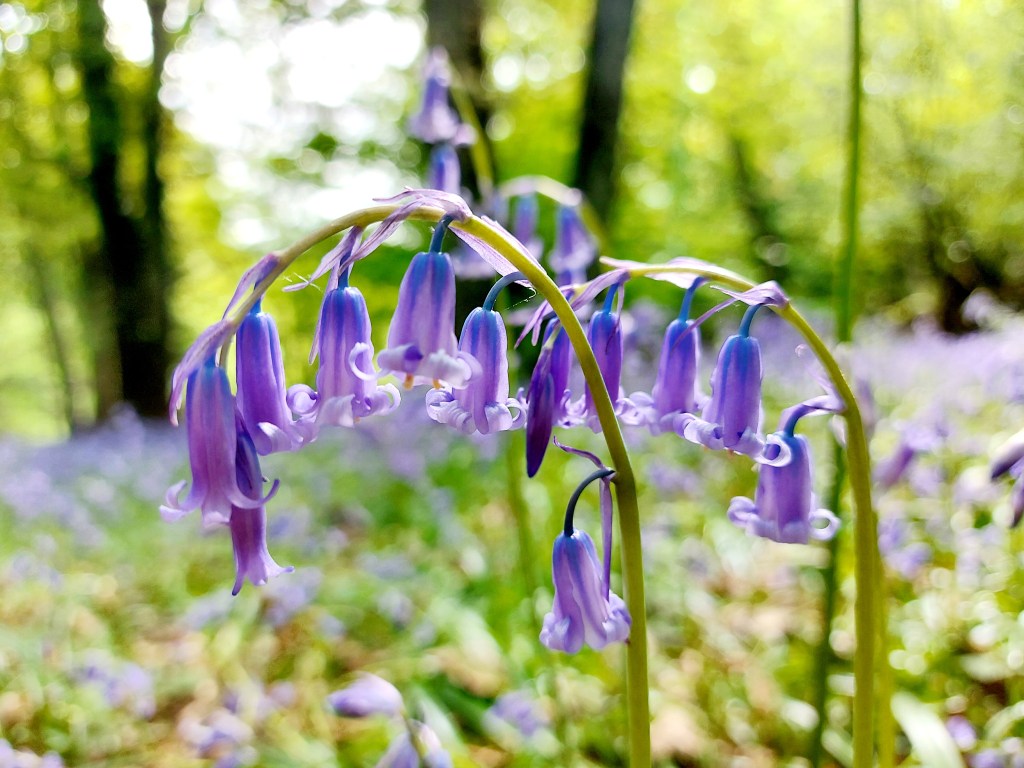
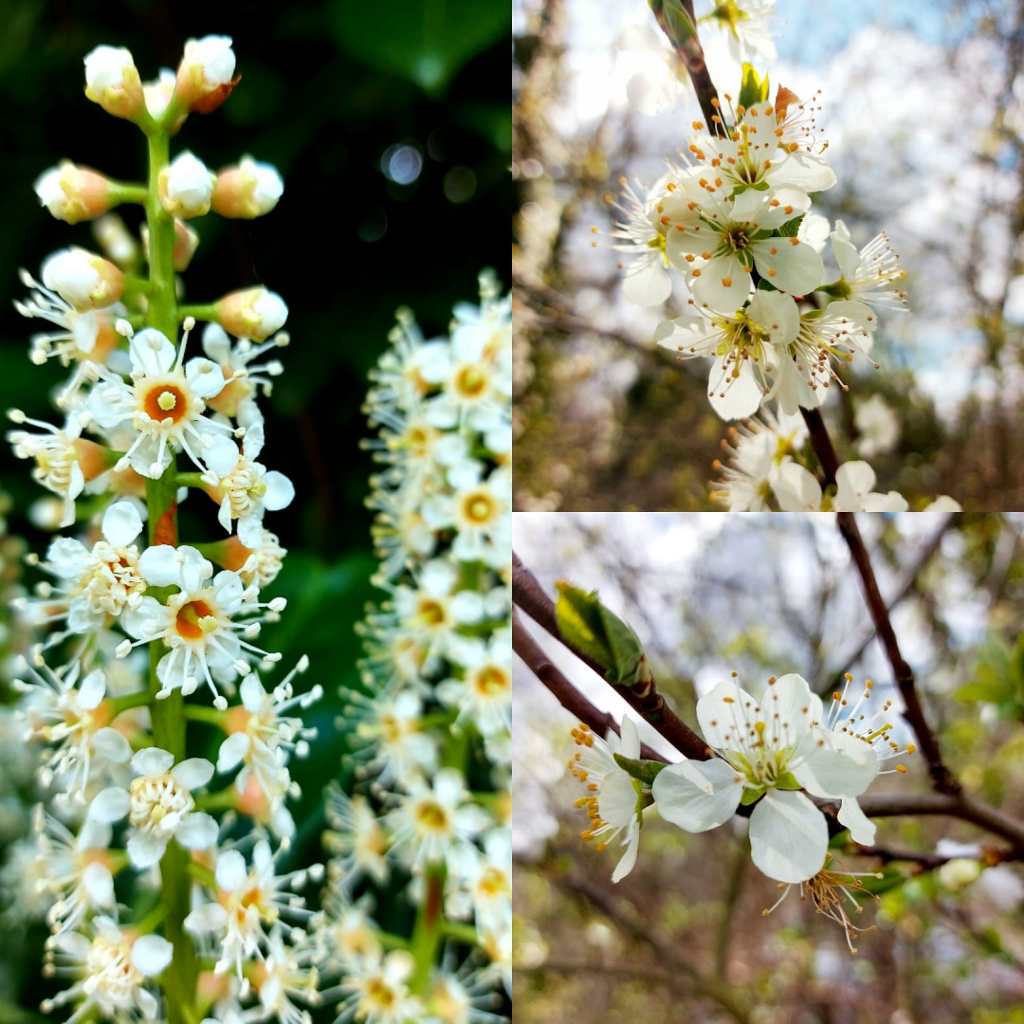
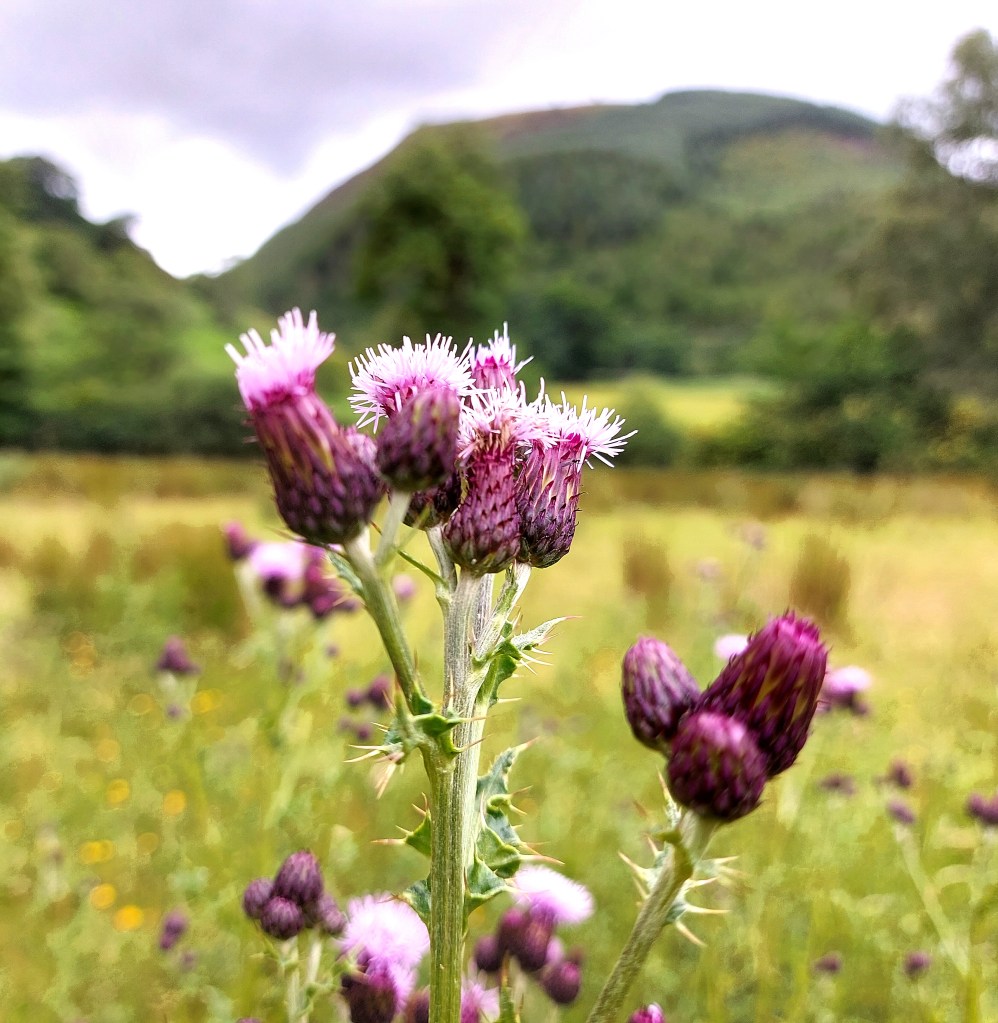
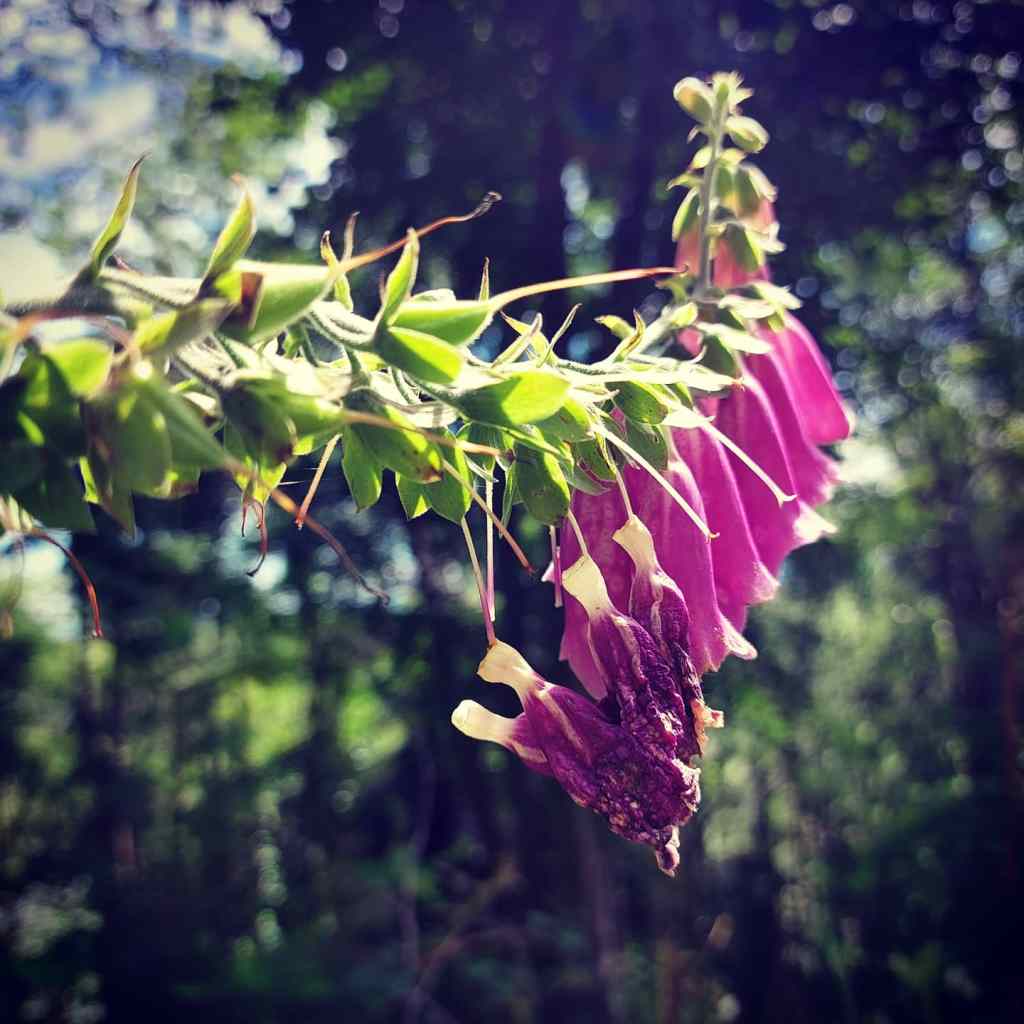
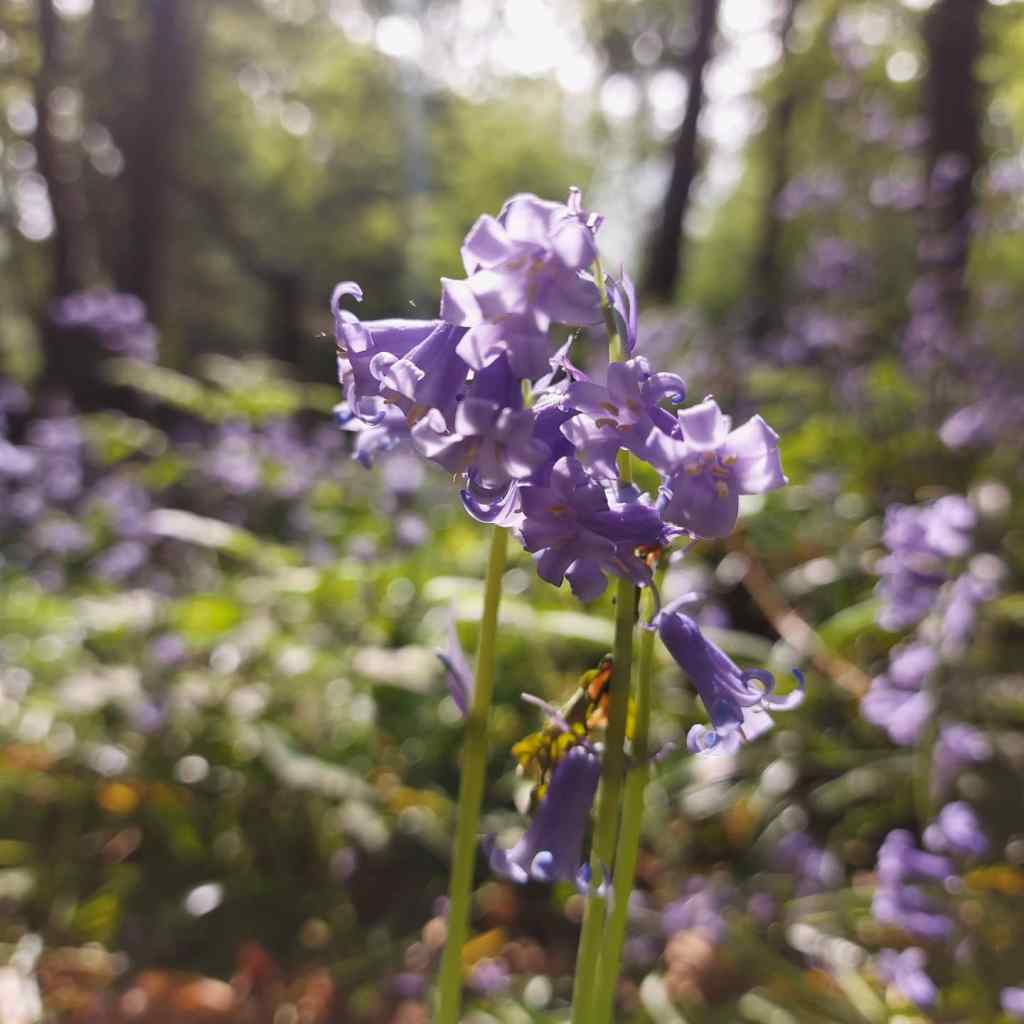
Photography – at the beginning of the year I got a new phone, and loved the camera on it. So I started taking photographs of some of the flowers I saw on my travels. Photographing things encapsulate a moment, and maybe you could try painting them. This can almost feel like making the moment last longer.

Audiobooks – If you read my ‘Escapism through books’ post, you’d know that I made the serendipitous purchase of a book bucket list. There’s loads of these about that you dont have to buy, just find online. I’m currently reading Lolita by Vladimir Nabokov, a frequent entry on such lists, and try to encourage myself to go out on walks by keeping listening to it specifically for walking. Plus, audiobooks free you to do other things, and can be found online for free.

Mindfulness meditation – up until recently I could never see the purpose of meditation. My mind wanders too much, and sometimes it is nice to be alone with your thoughts while outside. But there are also times you need to switch off, and just look at whats around you. It might be easier to be guided, and there are lots of guided nature mindfulness sessions on Spotify, YouTube, Audible etc. I noticed that my days are less frustrating when I do this just before work; maybe its the idea of a bigger picture, making oneself aware that the world is bigger than your makeshift home office.

A lone picnic – find yourself a nice view, such as a lake, a pond, or the top of a hill. Find it, take a seat, and eat. Maybe find a recipe for something, cook or bake it, and take it with you. Take your time, breathe in the clean air and appreciate whats around you. Last time I tried to do this was at the top of my local mountain, the Wrekin, with a family running around next to me, screaming. Very hard to appreciate them, but no matter. The cake was good.

Uncategorized

A Different Kind of Christmas

Maybe you haven’t gone anywhere this year. Maybe you, like many, many others, have missed your annual week (or two weeks) in the sun to ready for the colder months we are now going into. A few days just to unwind, maybe see a few nice sights, or just drink on a beach and let the sun do its work. Clearly, this year is different. But different doesn’t necessarily mean bad.

For a few weeks now, as we near Christmas, I’ve been seeing a number of different attitudes towards various holidays being cancelled. Halloween is cancelled, Christmas is cancelled. But are they? Or have we built entire celebrations around one event, at the cost of valuing other ways we can appreciate the festive season?

Of course, this year, particularly in the UK, the likelihood of gathering together in large groups for chrimbo dinner are slim to none existent (legally, depending on how large the group is, and how many people live in your household). Traditional Christmas Days are, this year anyway, not going to consist of that picture perfect family wide game of charades after the pudding, or carol singing with neighbors. Is that what people do? I don’t know, but apparently those traditions are worth risking our lives, and the lives of those around us.

Every December for a few years now, my family and I have boarded a cruise to some European city such as Amsterdam and Bruges for the day, and done a bit of Christmas shopping, soaked up some of the local Christmas spirit. It always seems more authentic there, somehow. No one seems stressed pushing a pram around like they do at Birmingham Christmas Market. I brought an elephant dung diary last year and visited a Salvador Dali exhibition I didnt know was on. It was wonderful. The previous year, I booked tickets for my fiance and I to go to the Van Gogh museum in Amsterdam. Again, wonderful.

This year won’t be so cultured, for want of a better word. Or is that what I think because I’m not going anywhere? Culture can be found at home, and the Christmas Spirit can, too.

1. Make Christmas decorations – last year my mom and I pooled a load of our craft scraps and some shower curtain rings on a table, and made bawbals for a charity event at the care home she works for. Just anything we could think of with bits of ribbon, little bells and wooden letters. Those bawbals sold like hot cakes, and earned some money for charity.

2. Practice hygge (that did autocorrect as hygiene, so practice that too) – hygge is the Danish term for coziness and comfort, and while it can be found all year round, Christmas is the time were everything can be hygge. Hot chocolate on the sofa, snuggling beneath a blanket with candles and a book, or a nice autumnonal walk to take in the changing scenery, before coming home to warm up.

3. Classic Christmas movies – in a sea of new Netflix Christmas originals, it might be easy to miss out on some lovely festive classics. One recommendation I have is The Shop Around the Corner. You may or may not know that You’ve Got Mail is a remake of this delightful little film, and some scenes are very clear replicas. The relationship is stripped back and condensed into one main setting between two people who just don’t like each other, without the complication of rival business. There’s a few great minor characters too, creating a small world inside this shop, and thats all it needs.

4. Autumnal or festive baking – sometimes, cosy just means homemade cinnamon swirls. Maybe its a 10 minute break from work with old music and eating some homemade apple pie. Or, it could be a project to keep in mind. This year I’ve made my first Christmas cake, and every two weeks (every other Saturday morning) I feed it two tablespoons of rum. I find myself planning how I’m going to decorate it. And, I think things always taste better homemade. Each of the above I’ve never really been keen on, until I’ve put the time in to make it myself.

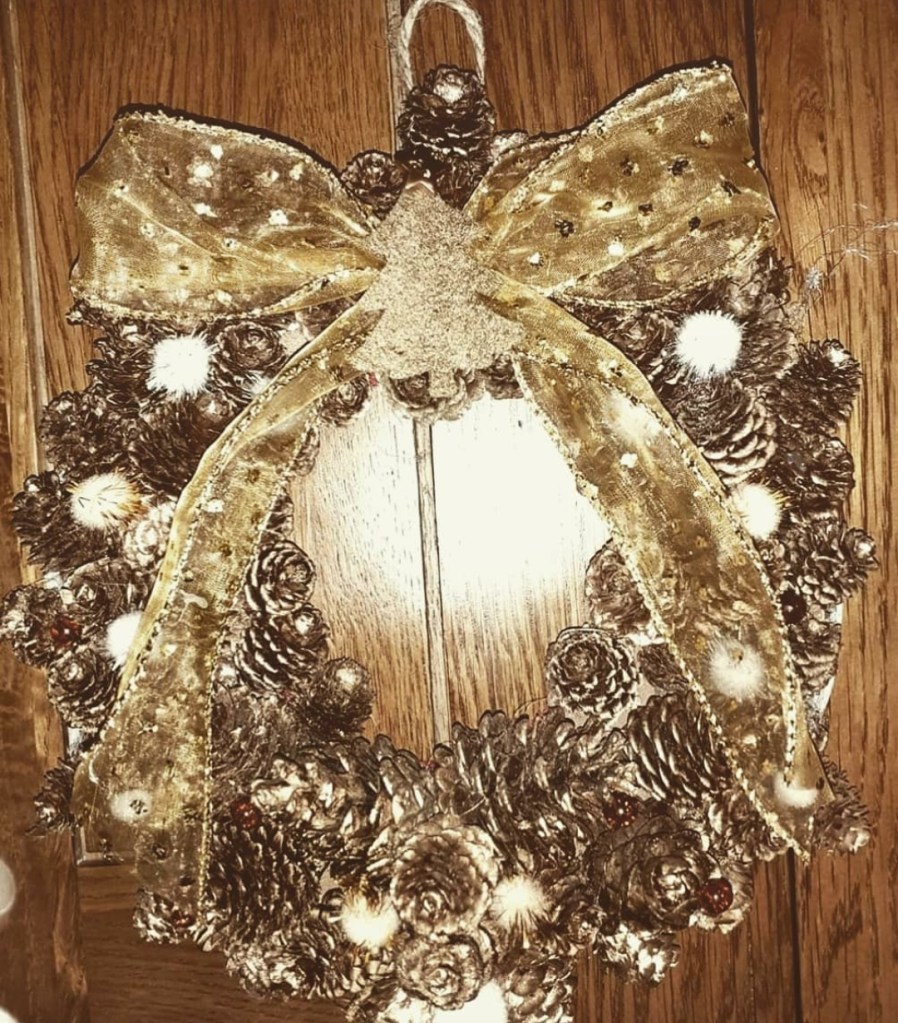
5. Going all out with the decorations – this year I think people will go all out with decorations, and I will be one of them. With my office now at home, I will have a little tree on my desk. I will have flashing lights, and I will wear Christmas pajamas if I like. And no one can tell me otherwise. Have fun with it. There’s also very cute decorations you can make, as mentioned, out of ribbon. Little trees out of bows are very nice, as are wreaths made from pine cones you found yourself.

Uncategorized

Progress During the Pandemic

It feels like trying to write about the work pre pandemic would be futile. Mostly because, really, I think of it as behind a mist. Nowadays, when I’m watching TV, I instantly feel like the actors should be socially distanced, even if filmed before it all started. I first noticed while watching a play on YouTube, and its stuck.

I’ve also noticed a distinct lack of progress. The thing about going to work, going on holiday, going to meet friends, is going somewhere, sometimes. Now those things have become digital if they are to exist at all, and my friends and I now do what we call Sanity calls some Sundays. Just to keep in check. Mostly these sessions are spent comparing our varied experiences of the pandemic, and bitching about covidiots.

This sense of being stuck came to a head back in August, and, on the eve of my birthday, I cried. I’m not an emotional person, but I cried like a baby for about 20 minutes. A week later, I was on a coach, on my own, travelling to London on my first ‘holiday’ alone, without my family or my fiance. It was impulsive, safely done and, absolutely necessary.

There’s always something in your life you’re anxious to do, because it makes you anxious. There’s a sort of nervous excitement behind it, and it might be exercising in public or raising your hand in a class, or a meeting, to say something. Anxiety has stopped me from doing these things for most of my life, but my trip to London has taught me these experiences are rewarding in the end. More so if preceded by that initial panic. Sometimes, all it takes is a one second snap.

I think now more than ever, it’s important to maintain an idea of progress. Whether its confronting a fear, creating a research project about anything that may interest you, or just keeping a log of all the things you’re doing, such as new recipes or movies you’ve watched. It’s not pointless, and, while it might not necessarily make you money, or progress you in your careers, it has value. Growth is always valuable.

Uncategorized

Stage Fright – A Perspective

When I was 14, I had my first (well, what I can recall as my first) experience of stage fright. It was during English class, and we had to separate into teams to present a fictional murder case. It was nothing to do with what we were studying at the time, which was sci fi in literature. One person from each team was selected to present the same bits of information, including the length of the slit on the fictional victims neck, before it was the next team’s turn.

I remember clearly how I turned out as the speaker, because I was the shyest in the group. I stood up, shaking, and lost all my words, and my friend was laughing in the front row. The teachers both fed the information back to me in questions, and I agreed, before sitting down, traumatised and embarrassed. I still look back at that moment of 30 seconds 13 years on with cringe and anxiety.

People reading the above and similar accounts may have different levels of relatability to this. I envy those who don’t get it, and think that this brief moment in time is not worth dwelling over. There are far, far worse things happening in the world than a panic attack starting before the laughing eyes of 20 13/ 14 year olds, and being handed a piece of paper assessing you on your performance. It was less than half, my failing being the extremely unconfident delivery. Of course, at the age of 14, we’d chosen our GCSE topics. I chose media studies over drama, so I didn’t think I’d ever need to work on my delivery of a fictional crime report.

Not long after this, we had another task in which we’d have to perform in class. This was related to the topic as we were studying monologues. I loved writing fiction, particularly the part of taking on a different perspective. I recall it being from the perspective of a teenage girl who was being ignored by everyone, and reflected and moaned about it for the whole piece. At the end, she walks in on her own wake at home after being ignored at school, not only realising that she’d died but that her father had killed her in a hit and run while on the phone a few streets away, and didn’t tell anyone. He was crying in her bedroom, and then it ended. Angsty? Extremely. Emo was a lifestyle back then. But I got very good marks for it.

But, being a monologue, we each had to prepare a performance piece and act the monologue out in front of the class. Pathetically I got my mom to write me out a note excusing me from this exercise because of a sore throat (I didn’t speak for the whole class to carry the act through) and was told by my teacher that it was, indeed, a pathetic excuse.

Since then, any hint of presenting information has brought me out in a cold sweat. I trust stage fright manifests in a number of diverse ways, but my experience is thumping heart beat and obsessively thinking about it until its over, reassuring myself that nothing truly bad will happen if it goes wrong.

But phobias, by definition, are irrational. I’d love to be able to do presentations, and I’d have loved to have been a teacher one day. Despite my fiancé’s experiences of actually being an NQT, his chosing to not pursue it further have not shattered my idealised picture of encouraging the growth of young minds.

So my thought is this. What is the value of these hateful exercises? Is it preparation for our careers? And if so, how many of our jobs have a presentation element to it? Aren’t there other skills that are infinitely more important for us to learn? Finance, CV building, understanding how the world works. The questionable relevance of what we learn at school has been discussed for a long time, anyway.

Or, are they designed to put us under pressure, to challenge us, to bring us out of our comfort zone? As a teenager, I grew up realising that some people are just comfortable with standing up in a room and talking. Why shouldn’t they be? What’s the worst that can happen?

But for others, no matter how many times they are berated for being too anxious to carry out a fairly pointless task, they will still be thinking about it the previous night, putting off sleep because they know that when they wake up, there worst nightmare is ahead of them.

Do you have any experience of stage fright? Or, if not, what’s your take on the matter? Got any tips? Note: before you say it, imagining some people naked causes more harm than good.

Uncategorized

Escapism Through Activity

If you’ve read any of my other posts, you’ll probably gather that I like to keep busy. What that says about me im not sure, but sometimes I do wonder whether I’ve been subconsciously preparing for something like this. Hoarding hobbies like toilet rolls, waiting for time to kill.

But I also know how easy it can be to get into a rut, particularly when one suffers from an overactive mind and anxiety. So I’ve decided to compile a list of all the more active things I’ve decided to do (for mind as well as physically) when stuck for inspiration.

Running – running for me is less of a sport to keep fit, and just something to get rid of nervous energy. I used to be self conscious, and I think thats exactly when you should do something. Its a very freeing activity, and there’s a lot of great personal achievements you can work towards to keep you progressing.

Yoga – my lockdown goal was to work towards side splits. I’m very, very nearly there. Otherwise, yoga can be done in bite size sessions to YouTube videos or, as I prefer, making up a routine as I go. Sometimes, just a good morning stretch is all you need.

Writing – recently I got back into creative writing, including short stories and something I thought I’d never do – poetry. There will be critics out there (I haven’t been brave enough to present any original works yet) who think writers should have a certain style, say things in a certain flowery way. But I think writing, like art, should be allowed to be in any style, because that’s your voice. Some of the most enjoyable poetry I’ve read gives me an insight into someone’s experience with raw words, and some of the best stories I’ve read make me hear a real voice.

Writing, as research has taught me, is very much based on personal preference. Individual scenes might be best written separately and not necessarily chronologically, but I find the authenticity of the progress, for want of a better word, is best found from the beginning. Just make up a character, perhaps one based on yourself or a personality trait, and go with it. F Scott Fitzgerald and Charlotte Bronte used characters based on themselves, and you can too.

Cooking – up until recently, much of my baking was out of a box, but that’s a one time deal. But now I have quite a collection of essential baking and cooking tools (as well as a search history showing a lot of hits for BBC Food). So far, my projects have included sushi, cinnamon rolls, cheesecake and carrot cake. I did try those fluffy Japanese cheesecakes a couple of times but it has more of an omelette consistency once its cooled.

Tidying – yes, tidying. Organising. If you’re feeling overwhelmed, I truly think tidying might be one of the most therapeutic things you can do. Tidying, organising, they give you control over your space and, in some ways, your life. Dramatic maybe, but mentally, I always feel happier in a clean room with fresh bedding and all my washing exactly where I know it should be. I also like to organise my books, not for the fact that they’ll be organised, but for the process of sorting them, into whatever system strikes at the time. Genre, alphabetically, author, authors alphabetically, anything goes. I personally have mine based on read, fiction and nonfiction. The other night, I did sort my gemstone collection too. Just to look at the pretty colours.

Uncategorized

Escapism Through the Screen – TV Shows

If I thought of all the TV shows I’d watched over the years, all the hours I’d spent sat down and switching on to switch off, I probably wouldn’t sound like a very productive person (a matter of perspective maybe). The last couple of months have been a real journey of discovery into (almost exclusively) British comedy shows I’d never seen, or never wanted to commit any time to. Side note…these are all quite short shows, and as of yet accessible for free.

1. Green Wing – Green Wing is one of those off the wall shows with not one serious bone in its body. Despite being set in a hospital, none of its plots are medically related, and it’s characters spend their screen time cartwheeling or playing out romances that feel like caricatures of those in more serious shows, and are just as gripping to watch.

2. Spaced – continuing the channel 4 comedy route, Spaced has been one I’ve watched on repeat for years now, once again during my time at home. It’s constant references to pop culture seem fresh in a modern TV world convoluted with geeky stereotypes who eye roll every time someone says they haven’t watched Star Wars.

3. Black Books – More 4. I know. At this point, you start spotting many of the same actors in each, and there’s a nice kind of familiarity with that. Bernard and Manny are great polar opposites as serial pessimist and serial optimist, while Fran offers the perspective of somewhere in between. Its fast and chaotic at times, exaggerated in its principle setting of a cluttered book shop.

4. The League of Gentlemen – today, some of the characters used in The League of Gentlemen, as well as some of the jokes, do seem quite outdated. But the black humour is niche, and simply reflects the attitudes of the time (some of the characters are meant to be somewhat socially isolated, after all). The characters span between the weirdly mundane to the wacky and offensive, each independent and rarely (if ever) meeting. It is bizarre, and difficult to explain why this kind of humour is so addictive to me, and I think thats part of the charm.

5. Inside No 9 – sticking with Steve Pemberton and Reece Shearsmith, Inside no 9 is an anthology…well it’s difficult to define it besides that. Comedy, horror, crime, drama…everything, really. Each as unique as the last. As a fan of older anthologies such as Hammer House of Horror and Tales of the Unexpected, I believe anthologies can never get old.

6. The Mighty Boosh – probably the most outlandish of the lot, it’s humour deviates from relatable and typical to funny words, quite beautiful imagery and total randomness. The characters are all bizarre or exaggerated versions of stereotypes we might be familiar with, but besides that it is a world in and of itself.

Honorable mentions

1. Car Share – I watched this in the space of one evening. I love any TV show or movie that can create something from one principle setting, and rely entirely on dialogue to create what it’s meant to.

2. Psychoville – I think you have to be fan of Shearsmith and Pemberton for this, but that’s just my point of view. Much like The League of Gentlemen, several characters are played by the same actors, and once again the humour comes from the mundane characters who are essentially oddballs. And it is, in places, genuinely creepy. To me, anyway.

3. Ghosts – Unmistakably British I think, with a number of typically English stereotypes such as the stuff upper lip WW2 captain, the sleazy politician, and the anguished poet. It’s jokes are fast paced, and its humour is silly and occasionally essentially adult.

Uncategorized

First Ever

Here I go. Into the blogging world. What do I write about? Lord knows. But there’s going to be something, isn’t there, that brings me here right now.

Today is the first day of another lock down in the UK. My opinions about that are not important, though I think we probably wouldn’t be here if people just stopped blaming the government for their own actions. If you don’t think it’s safe, don’t do it. Simple.

Aaaaanyway, as with a lot of people during this pandemic, I have been remote working. It was great at first. Loved it. Set up my own desk, took time during meetings to complete painting commissions and what not. My work space doubled up as a gym, too. Yoga during downtime and a jog at lunch. Fabulous.

And then the doubts began. I’d been at this company for several months, and during this remote working I realised that I’d been remote working for longer that I’d actually worked in the office with my colleagues. That was alright with me, but it got me thinking. Take away the commute, the colleagues and the planning of your outfit for the following day, what have you got? In my case, an unfulfilling job, which stripped back actually shows a bunch of people with a disproportionate belief of it’s importance during this, I’m going to say it, unprecedented time.

I know, I’m fortunate to have a job that has gone otherwise totally uninterrupted. By comparison to many, my experience of the pandemic has been a privileged one. But as someone with a keen interest in mental health currently studying for a masters in Mental Health Science, does that privilege mean that those in similar positions must look around as their days cover less physical ground with the extra pressure of feeling that their mental health is less important?