lists

My Pandemic Resolutions

I started last year with so many plans. I guess different goals to what I actually ended up doing, but still, last year could have gone a very different way. Concerts, festivals, travelling… basically everything I resolved to do, or usually do anyway, was cancelled. As a frequenter of Download Festival and person who loves to travel, last year sucked a bit on that part. My second missed opportunity to see Iron Maiden, and now I wonder whether its meant to be.

And while so many expect (an expectation fueled by wishful thinking, perhaps) to be in the midst of a moshpit during the summer months of 2021, I kind of trust that they’ll be disappointed. While so many concerts are covid safe, a festival in which communal toilets and general suspension of usual hygiene standards are perhaps a staple of the weekend experience, the pressure to lock onto the virus will inevitably lead to further cancellations. So, what to do?

I dont want to end this year disappointed, as so many have. And, usually, I dont make what might be traditionally termed as resolutions. But I do like goals. I see both sides of the coin. I like doing things there and then, but I also like putting a time stamp on achievements. I like to look back on the year and think of what I did with my 365 days, and last year was no different. There was a tremendous amount I couldn’t do, but in a way, maybe thats why I did the stuff I actually did. So this year, I want to make a point of setting goals I know will be achievable, even during these enduringly uncertain times.

1. Read more – I read a ton, but it could always be a bit more varied. I’ve recently gotten into dystopia fiction, so maybe a wider scope is on the horizon yet.

2. Learn to play guitar – this has been a goal of mine since 14, but there’s always something else to do. But I want to get out of this year with at least one song learned that isn’t Metallica related.

3. Watch more films – I love my movies. Often movie lovers (from my personal experience) have been judged as couch potatoes. But I’m the best at movie quizzes, if I do say so myself.

4. Run 15km – last year I reached 10, and kind of just stuck to 5 after that.

5. Finally achieve side splits – yoga has been a bit intermittent this year. But now I have the space to do it, so no excuses

6. The three peaks challenge – this was last year’s goal, and the one that didn’t come to fruition. Scafell, Snowdon and Ben Nevis. I’ve done the later two at very different times, so I’d like to make all three.

7. Try self publishing – gotta start somewhere right?

8. Paint more for pleasure – last year I took on a lot of commissions. So many that, while I enjoyed painting members of peoples family, it took the creativity out of me a bit.

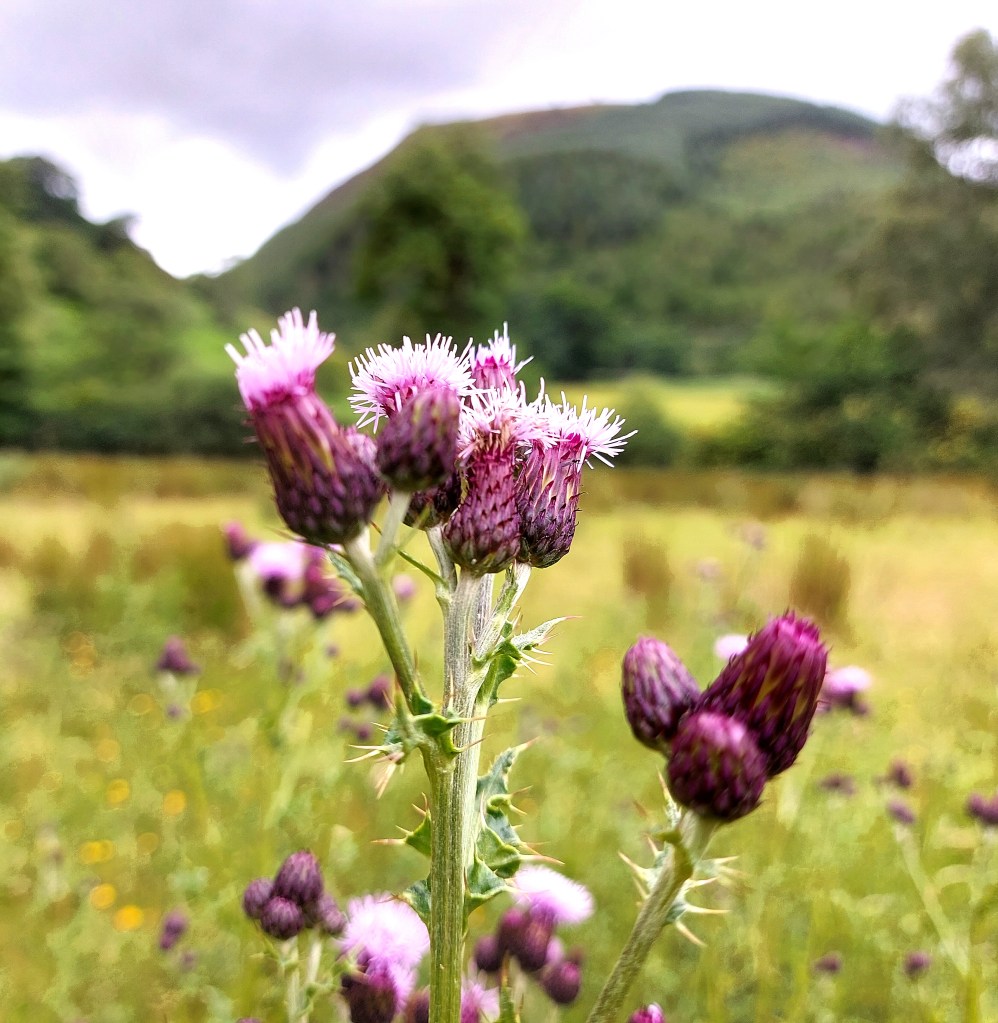
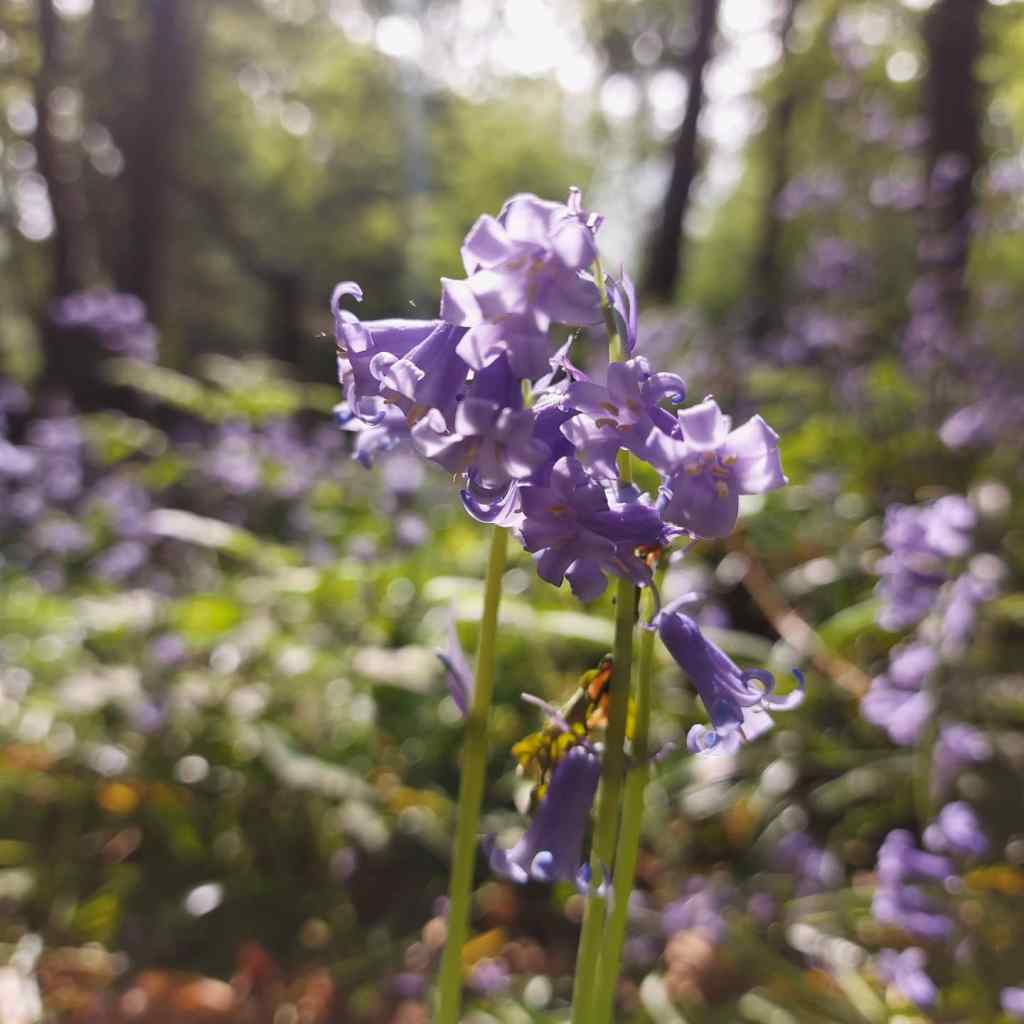
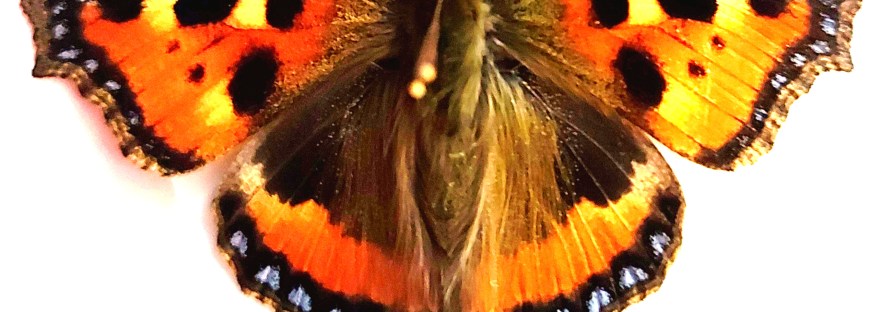
9. More photography – I got into taking photos last year, specifically of simple pleasures. Flowers, the sky, the butterfly heading this post. I’d love to have canvases of them.

Were going into this year with a bit of an advantage, if that’s the right word. We know to treat it with caution. We know not to make plans, or at least, we know what plans not to make. This year could still pan out in so many ways, good or bad, but that doesn’t mean it doesn’t count, right?
Uncategorized

2020 in Review

If there’s one phrase I keep hearing, its “I can’t wait for 2020 to be over” and the like. And yes, I get that. Its been a turbulent year. But the reality is that the pandemic will not be limited to 2020. In fact, the pandemic for many parts of the world began before 2020. Today, I wondered whether I’d still be judging people for not wearing a mask or standing 2 meters apart in a year’s time. It feels like second nature now, to distance and mask up each time I’m in a shop, and sneer at those for not doing so. Its been a unique year, to say the least.

But does that mean its write off? For many who have lost loved ones, who have been isolated, or who have faced this pandemic from the front line, perhaps that is the case. 2020 for many has, in short, been an absolute shit storm. Redundancies, job losses, cut backs, companies closing because they cannot fund running in the midst of a virus that results in reduced custom. But for the rest of us, 2020 has meant more time with family, working in the comfort of our jammies, and having just that little bit more time to take stock of our mental and physical health. Rather than declare 2020 as just a year that shouldn’t count, I’m taking it from my privileged position as a period in history in which I was there. Taking the good with the bad.

So what has 2020 been to me? And yes, I’m focusing on the positives. There’s too much negativity in the world to begin with.

2020 has meant branching out. More and different books, trying a few different crafts, watching a few different films. TV shows I’ve never thought about watching before. Having that time has meant not being too tired after a day’s work to do anything more than flopping on the sofa to watch the same old same old.

2020 has meant more time for education. I started and finished (and passed) my first module for my masters degree. Due to working from home, my lunch breaks and down time were filled with essays and reading as opposed to mindless scrolling through my phone.

2020 has meant fitness goals. Back in March I ran my first 10km, as I was meant to be doing a charity 10k elsewhere. Instead, I did it on my own, on a treadmill, in my living room, with a virtual tour of Vienna on the go on my TV. I’ve also been working more on my yoga, and I’m sure I’ve progressed (somehow).

2020 has meant more painting. Art has been in my life since my first bronchiosaurus drawing at the age of 5. But this year I’ve done many more commisions than usual, and its given me the chance to develop. I’ve painted birds and babies for the first time. Turns out I’m not too shabby if I do say so myself.

2020 has meant new experiences. I’ve never worked from home before, and I do quite like it. I passed my 1 year anniversary at my job on the 18th. Its also given me the drive to take my first long weekend trip on my own, which was not only greatly needed, but a big kick in my confidence of my own independence too.

2020 has meant moving out – last week, I moved in to an apartment with my fiance. A couple of arguments with the company selling us our table later (a further couple about the broadband) and I think we’re actually formulating a home.

2020 has, in short, meant progress. I’m a true believer in baby steps, that progress counts everywhere, and can happen anywhere. If you’re reading this, you have survived this pandemic so far. Maybe you’ve partaken in the plays streamed on YouTube, taken up a long distance course to pass the time. Maybe you’ve used your time to learn a few guitar chords. Whatever this year has been, its been an experience. Whether good or bad, we’re still here.

Merry Chrimbo and a Happy New Year

Xx

Uncategorized

The Midnight Library by Matt Haig – Why You Should Read it Now

I have a kind of fondness for writers who write based on themselves. There’s no pretention about the emotions described, because you get the sense that they’ve felt them, thought about them in hind sight, thought about how to project them in a way the reader will understand. The reader, such as myself, will know only too well. Nora is that kind of character. A character whose gotten in her own way, filled with potential and yet, somehow missed the boat.

I kept seeing this book trending on Twitter. I rarely go on Twitter. I only started going on when I heard about all the drama going on, some people declaring unpopular opinions and insights (some I agreed with) while others i intended to join the band of argumentative many. The only time I have done this is in fact when one particular actor decided to break lockdown rules and insult the NHS while he was at it. Anyway, I’m babbling. It was on Twitter that I learned about this book, probably the only good Twitter has done me.

Now, I knew what this book was about before I got it. Its about regrets. I neglected to read it so soon because I hadn’t finished a book in a month or so. I also had a feeling how it would end. The character lives in Bedford, and I’m hoping that’s an intentional clue (Bedford Falls is the hometown of one George Bailey). Its not a book for those who like twists and turns, or much else besides musings about inner psychologies of the average Joe. But its not trying to be anything but. Its nice, relatable, and its a believable journey. She doesn’t end up with all the answers. But its a start.

I also think this is a good book for someone who’s thinking about writing themselves, such as myself. The writing isn’t sophisticated or flowery, or at least that’s the impression I got. It was a blow by blow, some parts like a diary in how emotions were described. As I say, in a detail that suggested the writer felt them himself.

I like any writer who bases a character on themselves. There’s a line, of course (Stephanie Meyer, Twilight). But that shouldn’t discourage budding writers to use themselves too, should it? A large portion of Stephen King’s leading characters are male writers.

So why should you read this book, now? Well, because this is a time when many of us are standing still, watching time go by while others are making waves in their respective relevant fields. Some are thriving, while others are stuck at home in front of a screen wondering what happened. Social media filled with people making the best of their time while they have it. This book serves as a reminder that what ifs don’t always mean happiness, or fulfillment. It makes sense, too, in a none cheesy way.

Uncategorized

My Favourite Classic Novels – And Not Because They’re Classics

There are people who read classics, because they’re classics. And yes, when you say you’ve read something and you get called well read because you’ve read that particular book, its nice. Even when the individual doesn’t seem to have a very good grasp on what being well read means, it feels good, because you know what it means.

But there are some who only read the classics for that reason. And that might mean spending hours on a book, not really enjoying it. So I’ve decided to make a ‘in no particular order’ list of some of my favourite books, that just happen to be classics.

1. Persuasion, Jane Austen – I went through a Jane Austen stage a couple of years ago when I read each completed novel, back to back, starting with Pride and Prejudice. That, Sense and Sensibility, and Persuasion were my favourite ones. I never really gelled so well with the others. But Persuasion remains top, because of its maturity. While the others focus on a girl or a woman in her late teens/ early 20s, Anne Elliot is a woman of 27, who has alot of regret. She’s the relatable one in a family of snobs who’s sole care is connection’s and vanity. A bit like a parody of many of the Austen families that came before them. The book sees Anne reunited with the man she turned down years before (because of her family status), during which she deals with the regret of potentially seeing him married off elsewhere, believing he no longer loves her. The draw for me was that for most of the book, I just wanted them to interact. So much is spent in that awkward phase of strained politeness and pining, that the resolution is a huge relief, and I’ve read that ending multiple times. Side note, the 1995 movie, available on YouTube, is just perfect.

2. Villette, Charlotte Bronte – there’s something about Charlotte’s work that seems to draw me in better than Emily’s, and I think its because her characters were based on herself, which gives the lead character dimension. Villette is the story of Lucy Snow, as she grows up to work at a French school as a teacher. The love interest, M. Paul, isn’t perfect by any means, and can be a little loathsome at times. But, he is essentially kind and good, and that just makes his suggested fate all the more tragic.

3. Crime and Punishment, Fyodor Dostoevsky – It’s a bit of a grim story, but not all good stories make you feel good things. It tells the story of a student in need of money, planning and committing a murder to attain it. We spend the vast majority of the book watching this character’s descent into madness over the guilt of his crimes and the paranoia of being caught, despite having covered his tracks. It studies a man driven to crime despite what turns out to be an otherwise good and kind character who has shown heroism, and who ultimately seeks redemption.

4. Anything ‘Jeeves’, P G Woodhouse – I’ve talked about these stories in one of my previous posts, and for good reason. I just love them. The style, the way of talking, the narration by Bertie Wooster. They’re all short stories within themselves, with quietly absurd plots and a bunch of rich people getting stressed over silly things like moustaches and posh relatives. The interactions between Wooster and Jeeves are wonderfully comical, particularly when Jeeves is unhappy about something Bertie has done. It’s always lighthearted, too. And we need a bit of that in our lives.

5. A Christmas Carol, Charles Dickens – it’s short and wonderful and one of my favourite stories of all time. I watch every adaption I can get my hands on at Christmas. Reading it just extends the experience, prolongs the anticipation of his redemption, and is just a lovely, cosy festive read. With candles, and a fire. And a blanket. And cake.

Uncategorized

‘Today I Did’ Lists – Like To Do Lists, But With More Possibilities

I love to do lists, and I loathe to do lists. Making a to do list can make one feel so productive, so important. You can look upon it and think, there. Now all I have to do today is to achieve all these things, and I’m productive. I’ll be achieving something. I will go to bed tonight, and I’ll sleep soundly.

More often than not, however, my lists go incomplete. I’ve not done my 15 minutes of Duolingo French, or put my washing away, or any other apparently essential task that will take me one step forward to being a fully functioning adult who feels smug with all the things they’ve managed to achieve before tea time. Not achieving these things make me stressed, no matter how little or unimportant they are. It means going to bed with no sense of achievement at all, and that is toxic productivity for you.

So I’ve had a brain child today. This evening, actually. I’ve realised I’m much more productive without a list, and so the ‘what I did today’ list is born. Its basically making a list of, well, what you did that day. It’s probably already a thing, and nonetheless my present brain child probably needs a snappier name. But even if it is already a thing, this is why you should be doing it.

1. No set up for fail – it’s tempting to put too much on a to do list. Five items doesn’t seem enough, but 10 does. 15 – even better. But sometimes, a small task (such as my 15 minute Duolingo sessions) can seem daunting when written down. Only doing 10 minutes might mean not being able to tick it off. But, instead of focusing on what you didn’t do, at the end of the day, making a list of all the things you managed to achieve in the last few hours could make a huge difference. A 10 minute Duolingo session can finally make the cut.

2. Better quality – if I put myself down to do something, I’ll probably feel like doing the bare minimum, just so I can tick it off. It counts, right? But it doesn’t always feel good doing things that way, and can take the fun out of it. In contrast, doing something spontaneously, like a run or a big cleaning session, can probably turn out better than if planned. We’re doing it because we want to.

3. More productive – for me, this has made me more productive, and I see things as less of a chore. This evening, I cleaned the kitchen, recorded a video for my YouTube channel, designed some Christmas cards for my mum’s care home, and cleaned my office before bed. I felt like I was doing something, and it felt a damn sight better than squeezing everything in before six just to be able to relax.

There’s probably a ton more reasons I could come up up with, but at the end of it, everyone’s different. To do lists do have their plus points, but in the age of toxic productivity, we tend to place more focus on what we fail to get done. And in the age of toxic productivity and the mental strain of a pandemic, surely we should be cutting ourselves some slack, and drawing on the positives?

Uncategorized

Classic Movies – Why I Recommend Them

I love old movies. When many people hear this, or they think of an old movie, they think of something made in the 80s, or even the 90s. I still struggle with the concept that really, those movies made in the 90s, the ones that came out around the time I was born, are now considered old.

But the old movies I’m talking about were made back in the 30s, 40s. Cary Grant, Katherine Hepburn, James Stewart. Fast spoken comedies, everyone in suits regardless of their jobs. Random dance scenes. No CGI whatsoever. To me, this was the best of cinema. To me, too many people don’t give them a chance. So here is a list as to why I think you should. Yes, I know. But I love lists. They’re so organised!

1. The storytelling – many romcoms that come out today use tried and tested formulas. Boy meets girl, fall in love. For the classic movies, these formulas were fresh, new, lacking the convolution of what we have today. Sure, some of the screwball comedies had certain common traits; ‘Made for Eachother’ and ‘Vivacious Lady’ both feature James Stewart falling in love with a woman and marrying her after one night of knowing her (both happen within minutes of the film starting, so no spoiler there), while Cary Grant remarries his ex wife in both Philidelphia Story and His Girl Friday (yes spoilers, but both are delightful watches and predictable anyway). But nonetheless, these films were where the ideas started, where the cliches began.

2. It’s probably been remade – You’ve Got Mail is a remake of The Shop Around the Corner, and predictably i think the latter is better. Now I do like You’ve Got Mail, and it’s so similar in its concept that its impossible to dislike it too much beyond certain cheesy moments. But The Shop Around the Corner takes place in mostly one place, and gives the romance the scale that fits it. It’s not a lowly book store owner falling for a millionaire competetor without realising. Its two people working in a store, always around each other. Its plausible in ways that You’ve Got Mail isn’t. And it’s modern in its writing; the shop staff are fleshed out. The main characters are intelligent and well read, and not because they work with books. They don’t, but Meg Ryan knows all there is to know because she works with books, and thats kind of it.

3. A different time – these movies were made in a different time. Standards were different, the age was different. Today, some ask for the deletion of these movies because they do not match up to todays standards. But I think this is why we need to watch them, and keep them around. I watched a movie the other night in which a character put black make up on his face as a disguise, but that was okay then. While we might cringe now, I think these films should be around just to see how far we’ve come. And that goes for the treatment of women, too.

4. The Style – just the look, the sound of everything. Quick quips, sharp suits and equally sharp dresses. Everyone was so well dressed, and spoke so fast, and with such wit. It was classy, and fashionable, or at least it was on film.

5. Just storytelling – Frankenstein (1931) was one of the earlier uses of contact lenses in film… and they looked so damn uncomfortable. Sounds were made using materials at hand rather than a computer, and invention had to be used for the rest if something new was to be made. The Lady Vanishes, for example, was groundbreaking for showing dream like visuals such as double vision. It was relevant to the story, and didn’t distract from it in any way. Besides that, movies focused on the story, acting and dialogue. No distractions to increase the run time, and if we were shown something truly mindblowing, chances are it was a first.

A new take – novel adaptions were very popular back then, but they werent always faithful to the book. Sure, they were essentially the same story, and ended in much the same way, but there were also some tweaks. For example, Pride and Prejudice (1940) made one certain cretinous character ultimately act in the interest of the characters’ happiness, rather than social conventions of the time. Little Women (1949) almost entirely focused on Jo’s story, creating a sense of perspective as opposed to dipping in and out of the girl’s lives like subsequent adaptions.

The drama – finally, just the drama of it all. Today, many romcoms go for the understated quirky characters, quietly neurotic and loudly mundane in their lives. But classic characters wear their hearts on their sleeves, swooning all over the place and being all passionate and all that. And they could make drama out of anything too, with the right lead.

.

Uncategorized

Beauty in the Detail – Nature Walks

Appreciating nature is probably more important now than ever. And I’m not just talking about the awful and oh so prevalent topic of lockdown, quarantine, covid and all that. The truth of the matter is, the world is becoming a more concrete place. Fields are being lost to housing estates, office buildings are places we spend a third of our day in (in normal circumstances). And while we work from home now, it’s becoming increasingly possible that our houses are not only places we come home to relax. They may be our places of work, exercise, entertainment etc. I’ve noticed personally that there have been full days were I dont leave the house at all, simply for forgetting. Finish work at four, do all the things I’ve convinced myself I need to do, and then sit down and ready for the night. As the nights grow darker earlier, its easy to fall into this routine.

Now, we might not all have scenes of nature close by to walk around. I’m quite lucky in that respect, since I live in an area with quite a few wooded areas. But that doesn’t mean nature can’t be appreciated. Instead, it might just require a little bit of a closer look.

Another obstacle of enjoying nature walks might be why. I’m also guilty of this. I often fall into the trap of thinking that if there’s no purpose to something, no end goal besides a few breaths of cleaner air and a bit of sunshine, am I really gaining anything? Of course, those things are exactly what I’m gaining. If I’ve had a run in at work, or I’m simply irritated, my first port of call is a walk. But, sometimes a little bit of purpose doesn’t hurt.

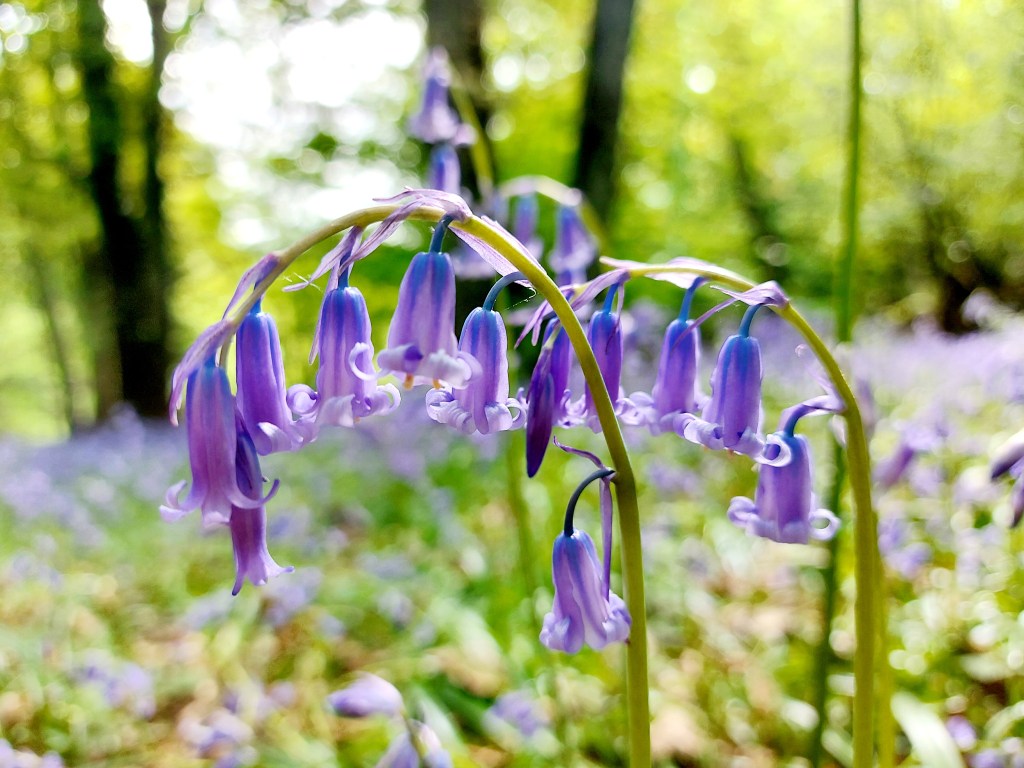
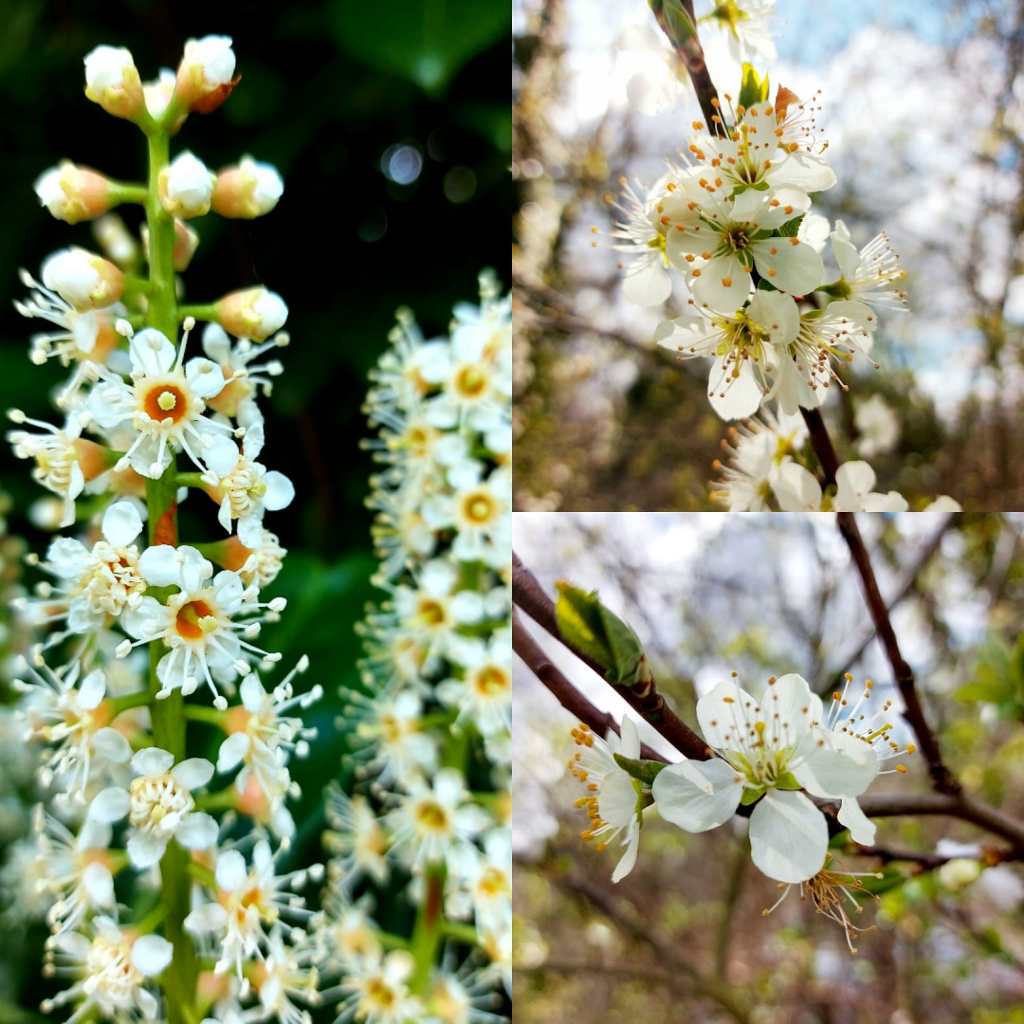
Photography – at the beginning of the year I got a new phone, and loved the camera on it. So I started taking photographs of some of the flowers I saw on my travels. Photographing things encapsulate a moment, and maybe you could try painting them. This can almost feel like making the moment last longer.

Audiobooks – If you read my ‘Escapism through books’ post, you’d know that I made the serendipitous purchase of a book bucket list. There’s loads of these about that you dont have to buy, just find online. I’m currently reading Lolita by Vladimir Nabokov, a frequent entry on such lists, and try to encourage myself to go out on walks by keeping listening to it specifically for walking. Plus, audiobooks free you to do other things, and can be found online for free.

Mindfulness meditation – up until recently I could never see the purpose of meditation. My mind wanders too much, and sometimes it is nice to be alone with your thoughts while outside. But there are also times you need to switch off, and just look at whats around you. It might be easier to be guided, and there are lots of guided nature mindfulness sessions on Spotify, YouTube, Audible etc. I noticed that my days are less frustrating when I do this just before work; maybe its the idea of a bigger picture, making oneself aware that the world is bigger than your makeshift home office.

A lone picnic – find yourself a nice view, such as a lake, a pond, or the top of a hill. Find it, take a seat, and eat. Maybe find a recipe for something, cook or bake it, and take it with you. Take your time, breathe in the clean air and appreciate whats around you. Last time I tried to do this was at the top of my local mountain, the Wrekin, with a family running around next to me, screaming. Very hard to appreciate them, but no matter. The cake was good.

Uncategorized

Escapism Through Activity

If you’ve read any of my other posts, you’ll probably gather that I like to keep busy. What that says about me im not sure, but sometimes I do wonder whether I’ve been subconsciously preparing for something like this. Hoarding hobbies like toilet rolls, waiting for time to kill.

But I also know how easy it can be to get into a rut, particularly when one suffers from an overactive mind and anxiety. So I’ve decided to compile a list of all the more active things I’ve decided to do (for mind as well as physically) when stuck for inspiration.

Running – running for me is less of a sport to keep fit, and just something to get rid of nervous energy. I used to be self conscious, and I think thats exactly when you should do something. Its a very freeing activity, and there’s a lot of great personal achievements you can work towards to keep you progressing.

Yoga – my lockdown goal was to work towards side splits. I’m very, very nearly there. Otherwise, yoga can be done in bite size sessions to YouTube videos or, as I prefer, making up a routine as I go. Sometimes, just a good morning stretch is all you need.

Writing – recently I got back into creative writing, including short stories and something I thought I’d never do – poetry. There will be critics out there (I haven’t been brave enough to present any original works yet) who think writers should have a certain style, say things in a certain flowery way. But I think writing, like art, should be allowed to be in any style, because that’s your voice. Some of the most enjoyable poetry I’ve read gives me an insight into someone’s experience with raw words, and some of the best stories I’ve read make me hear a real voice.

Writing, as research has taught me, is very much based on personal preference. Individual scenes might be best written separately and not necessarily chronologically, but I find the authenticity of the progress, for want of a better word, is best found from the beginning. Just make up a character, perhaps one based on yourself or a personality trait, and go with it. F Scott Fitzgerald and Charlotte Bronte used characters based on themselves, and you can too.

Cooking – up until recently, much of my baking was out of a box, but that’s a one time deal. But now I have quite a collection of essential baking and cooking tools (as well as a search history showing a lot of hits for BBC Food). So far, my projects have included sushi, cinnamon rolls, cheesecake and carrot cake. I did try those fluffy Japanese cheesecakes a couple of times but it has more of an omelette consistency once its cooled.

Tidying – yes, tidying. Organising. If you’re feeling overwhelmed, I truly think tidying might be one of the most therapeutic things you can do. Tidying, organising, they give you control over your space and, in some ways, your life. Dramatic maybe, but mentally, I always feel happier in a clean room with fresh bedding and all my washing exactly where I know it should be. I also like to organise my books, not for the fact that they’ll be organised, but for the process of sorting them, into whatever system strikes at the time. Genre, alphabetically, author, authors alphabetically, anything goes. I personally have mine based on read, fiction and nonfiction. The other night, I did sort my gemstone collection too. Just to look at the pretty colours.

Uncategorized

Escapism in the form of Books

Sometimes you can have too much of the real world, of whats happening, and an overload of stuff can be detrimental. This isn’t new. Even during a pandemic, I feel escapism is a wonderful thing that should be encouraged.

At the beginning of the year, I purchased a poster. I used to have my bedroom adorned in posters of my favourite bands, but this one was books to read before you die. As many readers may know, one can become routine in their reading choices of books, while many wonderful ones outside of that scope can be lost. My slump followed the completion of Tolstoy’s War and Peace, so clearly after such a chore one needs a pallet cleanser. With this poster, and a number of other means of discovery, the following books fell under my radar.

  1. Small Island by Andrea Levy – I watched the play of Small Island as part of National Theatre Live’s free streaming of past productions on YouTube, and instantly brought the book afterwards. While I knew the plot from the play, maintaining all the important parts key to the plot, the novel offers a glimpse into another time from four perspectives instead of the play’s principle three – Hortense, Gilbert and Queenie. The novel also includes Bernard’s rather reserved perspective, a foil to his wife’s outgoing and accepting attitudes, particularly in relation to race. As the character’s interact, it feels as though each is a characterisation of ideas and attitudes of the time; idealisation of England and bitterness towards a country once dreamed to be so full of hope in Hortense and Gilbert, and the two sides of racism during the time; Queenie, a open hearted and kind character at heart, makes errors in her interactions with her Jamaican lodgers, but each is innocent and well meaning. In contrast, Bernard presents the deep seated racism of the time, with little room for acceptance left. This story presents a real world view of ‘the grass isn’t always greener’ (my interpretation), and while the subject matter may deal with heavy and very relavent issues of today, it is nonetheless a story of perseverance, and making the best of what you have.
  2. The Inimitable Jeeves by P G Woodhouse – there’s something delightful about these stories – the jaunty language, the sitcom type plots that always turn out alright in the end thanks to the genius that is Jeeves. Bertie is the perfect foil for the butler, who’s naive and well mannered way of speaking makes him the typical idle gentleman, who’s time is spent helping his friends out of sticky situations, and occasionally upsetting Jeeves by growing a moustache.
  3. Les Miserable by Victor Hugo – this is probably not a very popular book to suggest, given the absolute chore this book is. I haven’t finished reading it myself yet, but I am speaking to the readers who have a bit of a bucket list, or who want to read something for the simple pleasure of bragging that they have read it. I get it. But really, this is probably the best time to tackle it. I’m personally listening to it on Audible (Unabridged, so it does count) and I listen to it during work, taking the dog a walk and while I’m knitting (I love Audible). It’s subject matter can be grim and depressing, because that is the book. If you’ve seen the play or the movies (or the TV adaptions) then you know the basics. There’s a lot of babbling and philosophising, in Usual Victor Hugo fashion, but at least you can come out and say you’ve read it.

Honorable mentions

  1. Matilda by Roald Dahl – a wonderful short read with that distinctive Dahl humour.
  2. Memoirs of a Geisha by Arthur Golden – a story of a very different culture, informative as it is immersive with its rich descriptions.
  3. Uncle Tom’s Cabin by Harriet Beecher Stowe – One of the few books to make me tear up. The acts of kindness contrast against the acts of cruelty, portraying slavery in its multifaceted reality, from the absolute inhuman treatment to those who saw the men and women they brought as part of their family, knowing that a worse fate awaited elsewhere.
  4. Shakespeare comedies – I never disliked Shakespeare, but English at school and English Literature at college developed in me a bit of reluctance to read him in my own time. Once again, National Theatre Live came into play (pun not intended but a happy accident nonetheless), and I began reading the plays a couple of days before showing to get acquainted. It’s a case of (sometimes), the more you read, the more used to the language you get.