Uncategorized

Loneliness Isn’t New, So Welcome to the Party

The pandemic, one may have thought, has been a great leveller in terms of social situation. But is that what the evidence shows?

As someone who has experienced loneliness, I know it isn’t a great time. When I was 19, the only person I felt I had was my then boyfriend, who was going to university in Wales. By this time, I’d left college and injected myself into a sort of limbo where I wanted to study, I wanted to work, and I couldn’t see any sort of marriage between the two. My friends had drifted away thanks to little effort on my part and already crumbling relationships following leaving school, and there was suddenly nothing we had in common anymore. We all went our separate ways. One my lowest day, I’d signed on for my JSA (job seekers allowance) for the first time after weeks of resistance, went to my bedroom where I hadn’t bothered to open my curtains that morning, and cried. I felt the loneliest I’d ever felt, and with no one around to help me out of this hole I’d dug for myself.

But loneliness isn’t uncommon. I was just one of a small percentage of the population. Prior to covid, around 8% of the population in the UK reported always feeling lonely, while just a few months later, in the midst of this still relatively new pandemic, the data had shifted that number up to 18%. Covid wasn’t the only disease spreading, so it seemed. But does this mean that loneliness rose, or does it mean that because so many people were on their own, that loneliness lost it’s stigma and was simply expected?

Some studies show that, actually, covid really didn’t change matters all that much. One study by Groarke (2020) showed that the pandemic didn’t factor in as a risk factor for loneliness, and in fact it was due to circumstance; those hardest hit with loneliness tend to be younger, unemployed, students, divorced or with exisiting mental health struggles, none of the above due to the pandemic in particular. In fact, some studies found that the lonely got lonelier, and the least lonely simply made do with the resources that they had; those least likely to suffer with loneliness were more willing to participate in online classes, have friends they could call, and online events to attend. The pandemic hasn’t created lonely people; it’s simply cut off more ways in which they can emerge back out into the world.

I’m thankful to have the network of friends I’ve built up over the years. One or two of them have experienced loneliness and isolation, but as per the advice websites that cover loneliness online, they have called a friend, sometimes me, and had a chat. But there’s so many people who don’t have friends they can chat to, someone who isn’t a parent or a partner. If I was in the same social situation I was eight years ago during the pandemic as an unemployed, friendless young person with no prospects, I don’t know how I would have coped. To know that there are people who have experienced the pandemic in this very manner is tragic. To feel that loneliness is at risk of becoming normalised due to a pandemic that has made it affect more people in the short term makes me wonder whether those truly isolated people will get the help and attention they need, or whether the sound of loneliness will be the voices of those who experienced it acutely, shallowly, and still with a network of friends around them throughout this whole experience.

Uncategorized

Small Acts of Kindness That Aren’t as Small as You Might Think

I think that it’s better to do the right thing for the wrong reason than to do nothing at all. To be selfless, truly selfless, in my opinion, doesn’t really exist. As humans, we tend to do things if they serve us. Even charity is often preached with an incentive. A cuddly toy to sponsor a snow leopard, a medal in exchange for a sponsored run (not to mention the photo opportunity). But does that make it bad? Is the benefit of our own self esteem so selfish? Positive reinforcement does encourage behaviour after all (it’s what it’s there for) so why wouldn’t you want to feel good after doing something nice for someone else? Altruism makes the world go round.

But, there are so many things stopping us from being kind sometimes, that have nothing to do with guilt. Maybe we’re afraid of looking foolish incase our help is rejected, or maybe we might come off as patronising. No one wants to look naive or vulnerable either, and I’ve also heard say in one of my rare deliberate attempts of being nice that it comes off as childish.

So, while the world has been put on hold while we battle a pandemic, there has been so many stories of heroes raising funds for so many different causes, while so many of us are wondering what we can do. The truth is, often it’s the small acts that contribute just as much, or more, perhaps, than one central one.

1. Food donations – in every supermarket I go to there are bins for food collections in aid of homeless or struggling families, and sometimes animals, too. Ask around for spare tins of food, or just toss a few in your shopping with the intention of donating them.

2. Reviews – yes, reviews can make or break a business. Rant time, but I have one person in mind, who felt it pertinent to expose a small frozen yoghurt business for triggering displays. The thing is, one nice review for a small business can make one person’s day, and encourage custom. If you’re tempted to write a bad one, consider why you felt your service was bad. Was the server short with you? Maybe they had a bad day. Was the food late? We are in the time of covid, where restrictions and limitations mean that resources may be spread thin. If you really need to, contact the business and give them pointers. Otherwise; you know, maybe the people of that small Californian froyo business have reasons for wanting to encourage healthy options? The world isn’t built for you, Demi. Attacking a business and sharing screenshots shows one intention; to ruin them. But why?

3. Offer to help a colleague – if you think someone might need help, offer to help, whether it’s workload or just a task they need covering while out of be office for an appointment. They may brush it off and say they’re fine, but it’s nice to have the option.

4. Say hi to a friend – we’ve all been feeling isolated recently, and maybe the days have become so same old that we don’t realise how long it’s been since we spoke to someone. Saying hi let’s someone know that you’re thinking of them, and that you’d like to talk to them. As someone who has known the loneliness of not having friends, I know that this is such a powerful thing to receive.

5. Just being pleasant – never underestimate the value of manners and a nice smile; it might renew someone’s faith in the human race. You never know who is having a rough day, and just being entitled isn’t worth it. Smile and wave, boys. If a cashier person asks you how you are, ask them back. While it might not be etiquette, it might also offer a nice break to thoughtless customers who just ignore the person because, well, it’s their job.

6. Recognising if someone wants to talk – apparently I have a kind face. Which means I smile a lot, and I don’t look like I’m just wishing the person to shut up. And when I’ve been told I’m easy to talk to, it feels nice. And yes, maybe someone might get that vibe from you as a stranger at a train station, but as long as there are people around, what is the harm? I remember when, in broad daylight by the way, someone just started talking to me at the train station, and it was probably a little bit of a shock for him that I allowed him. He told me about the recent death of his parents and how he and his sister have taken on their business. He may have been bullshitting, but maybe, just maybe, he needed to offload. For every asshole, there’s 10 genuine people who just want to rant to a stranger.

Remember, though; you can say that you’re there for someone whenever they want you to be. But that doesn’t mean you always can be available. Maybe you need help, because, well, everyone needs help sometimes. Saying you don’t doesn’t change that. But, if someone offers you help, what’s the harm in taking it? If a colleague offers to help you, they probably feel good in themselves already. Don’t be put off by thinking you’re inconveniencing someone else. To every piece of help there’s someone who wanted to help, and wants to continue helping. Helping makes us feel good, and we spend so much time feeling bad about ourselves and the world around us, but what does that achieve?

Opinion and Advice, Uncategorized

Mental Health Thoughts – Week One – Stress is Not About Point Scoring

Stress, anxiety and depression do not need a cause. There isn’t a blueprint to each one with outlined causes and risk factors. Poverty, while a huge risk factor, does not guarantee depression. Likewise, wealth does not guarantee happiness. It’s an age old comparison that we sometimes forget, but that doesn’t mean it’s okay to minimise someone’s suffering because we perceive them as privileged. We are all fighting those silent battles.

Opinion and Advice, Uncategorized

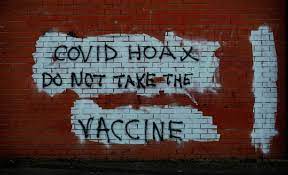
Vaccines – what caused our over-sharing society to become so paranoid?

Is this real life? Or is it just science fiction fantasy?

For 18 months, the world we see on our TVs and at the shops has looked more and more, and then less, like what I imagined the real life approach to a pandemic would look like. The movies are always keen to show social collapse, violence over a can of baked beans, and eventual uprising of the everyman who up until now, was just another regular pen pusher whom the viewer knew was capable of something great, because Brad Pitt was playing him. Instead, loo rolls were among the earliest casualties, our messy haired priminister had progressively appeared more and more squiff and while the death count rose and fell, anti vaxers were on high alert, holding kids parties with aggressive smile on their smug faces. I don’t like to use the term Karen, because. I’ve known some nice ones. But we know the type. Anti vaxers have created some hum dinger theories about vaccines. And as someone who’s fiance was diagnosed with autism very early on in life, I know it is a personality type with too many facets to be delivered in a vial.

But the latest pandemic has really brought out the almost militaristic conspirators out and given them a reason to be, and I saw this for myself at, ironically, a wellness event.

On a recent weekend, we visited a wonderful Living Well event in Shrewsbury, a town local to myself. The birth place of Charles Darwin, and I’m sure this is ironic somewhere down the line. There were talks about meditation, Buddhism and yoga, and tents advertising holistic healing practices such as reflexology and sound baths. As someone who loves learning about what others believe and why, while also learning techniques that may or may not help me, I was in my element, and wanted to soak in what I could. So, to the band stand I went for a talk about conscious eating. It was packed. I was approached by a fellow who seemed quite zen, and we started talking. It was then that I realised, when he mentioned protests, that one of us was at the wrong meeting. It was him. They were anti vaxxers and covid deniers, and they were promptly moved on.

This interaction got me thinking for the rest of the day. I would like to think that, had I stayed, what the conversation would have been like, and if they would have taken a bit of counter argumentation. I would love to ask someone why the earth’s governments would lead its economies into despair for the sake of a ‘scam’.

My favorite theory is that with our vaccines, we are being injected with a microchips. These microchips will gather information from us, track our movements, and some other cool things no one feels absolutely hundred percent about. Where are the breading grounds for such ideas? Social media. Anyone else think this is ironic? Yes, I know, I’m overusing the word.

A couple of years ago, I started work for a company that dealt in pensions. During our training, I took away some very valuable information concerning social media. One example was quizzes and questionnaires. We’ve all done them: which Disney Princess are you? What flavour Jelly Bean are you? How many children will you have? To find out this pivotal piece of information, we go through a series of questions like, what is your clothing style, what is your favourite food, where are you most likely to spend your Saturday nights? By the time you get your answer, the companies that created these quizzes know enough about you to target your social media pages with adverts on things you might like, based on your answers. If you answered that you’d spend your Saturday night reading a book because you secretly want to be Belle, don’t be surprised to get shown some great reading material on your feed.

Obviously, any amount of time spent on social media displays the nature of present society; our walls are adorned with memes our friends have tagged us in, parents are often more than happy to share photos and cute videos of the latest adorable thing their little one has done. We check in to bars and exotic sites we visit on holiday, our likes include favourite bands, books and movies. And that’s just Facebook. On TikTok, people share their family members and households, with everything inside, for potentially hundreds of thousands of people to see for the sake of doing some dance challenge (I don’t know TikTok). And all this is done through mobile devices we carry around all the time. We search embarrassing ailments on Google, we buy every day items on Amazon, we date through apps such as Tinder. So my question is, if we were to be micro-chipped, what other information could it take from us? We are track-able as we are transparent. And really, for those who are prepared to share every headache and bowel movement, what more is their left to hide?

Obviously, I’m speaking hypothetically, because that’s all I think anti-vax arguments deserve. Vaccines have eradicated small pox, they’ve paved our path out of this world wide lock down. The suggestions that they turn children gay or autistic (or, at present, robots capable of only thinking what they’re told via a chip beneath the skin) just show the lack of knowledge or awareness of how vaccines, and people, work. It’s understandable to mistrust the vaccines in terms of how quickly they came into existence, but even this can be rectified with an attempt at finding out how vaccine, or any drug, trials work. The vast majority of trials is spent waiting around for paper work to be signed, boards and committees to get to the next thesis in a huge pile of theses (is that right?), for funding, yada yada. This process can take years…unless it’s a world wide emergency. Suddenly, the demand means that the thesis is at the top of the pile and the funding is coming from all corners of the planet. Covid vaccines happened quickly because they were a lot more necessary than the latest new and improved paracetamol. And yet, anti vaxxers continue. In fact, there’s a very good book I do recommend called Bad Science by Ben Goldacre, who delves into the logic (or lack thereof) of how vaccines garnered so much mistrust. In short, all it takes is some unrelated research papers, and a dose of iffy interpretation. It’s shocking, and frankly disappointing, that this decade old book is still applicable to today in this argument.

Opinion and Advice, Uncategorized

There Was Such Thing as Normal, and We Will Find it Again

Sometimes, I write a post for me. Actually, no. All the time, I write a post for me. A bit like a diary entry that I know people will be able to read. My thought is, what kind of thing would I like to read at a specific moment? What would help me right now? So I write something that would have done me good to read.

It’s normal to be apprehensive right now. A few months ago, we were in pubs and shopping aggressively to make up for the weeks or months spent in lockdown. By the New Year, it felt like we were back to square one. No restaurants to eat at, no Primark to shop in for clothes that we wouldn’t be able to wear until the next gathering. Just same old boring waiting at home, watching our lives pass by while key workers did their bit and saved the world.

And now here we are, going out again and trying to find where our normal is. I’ll be honest, it still feels far away. I go to the gym, and the odd meal out, but the arrow system and the increased number of anti bac dispensers are a constant visual reminder that we still have a ways to go. And it might be tempting to follow what an increasing number of people are doing; trying to rush into it. Since the vaccine has rolled out in it’s droves, it’s clear to see that some people think that we are well and truly out of the woods. But it’s thinking like that that kept us in lockdown in the first place.

So how can we still find our normal in these circumstances? And, importantly, how can we embrace the inevitable change a pandemic will bring?

1. Expect it to take time; it’s not going to happen instantly. There are enough sayings, proverbs and fables to remind us that things take time if they’re worth having at all. It might be a huge shift to go from staying in at night to choosing to go to a restaurant, or even from getting your shopping delivered to your home to going to your local shop to pick up the coffee. Baby steps might be your best option here.

2. Set your boundaries – your friends might be eager to rush out into the world and hug you the first chance they get. But this doesn’t mean you’re ready for such close contact. I’ll be honest, the social distancing thing, besides in terms of my family, has suited me down to the ground. I love having an excuse to not get close to people besides my own discomfort of closeness and touchy feely ickiness. I have a friend who is, contrastingly, very fond of hugging, and insists on hugs every time we meet. I don’t see the point in this; I didn’t miss her, I don’t need comfort, and I am generally not overly comfortable with it. When you go out there again, and see the people you haven’t seen for so long, set your limits to what you’re comfortable with; we’ve all lived this pandemic, and they ought to understand.

3. Not all changes will be bad – man, I miss buffets. I miss stuffing my face until I feel ill, but I also can’t ignore how it is rather a gross concept, potentially eating food that others have touched and, in any case, has been exposed to the air, containing pathogens catapulted into it via coughs, sneezes, laughter etc. I think the buffet is too ingrained into society to be phased out, but there are still changes I hope to see stay for the long term. I like anti bac being readily available, particularly going into shops where other people have touched the items I’m also going to touch. I like ordering on the phone app at Pizza Hut and not having to wait a very long time for the bill when all I want to do is go home and slip into a carb coma. I like everyone wiping down the gym equipment, even though they’re usually supposed to anyway but how many people really stick to it? I like arrows, I like order, basically. Even masks I’ve become quite fond of, particularly now that I can talk to myself without anyone seeing, or sing, or mutter insults to rude people. Sure, many of the rules and restrictions will lift, and they will be phased out, very many of them leaving with minimal sadness from any of us.

4. Decide what your normal you want, and chase it – not everyone entered this pandemic as someone who loved the nightlife, hugging, eating out most nights and travelled. To many, the pandemic brought very few restrictions, because that was how our lives were anyway. For me, I’m a mix. I love going out, and I love travelling and concerts, but I also enjoy staying in and enjoying my own company. Don’t feel like to have to do things simply because you can do them again. I can’t stand nightclubs. I’ve been to two in my life, and that’s enough for me.

5. Don’t let fear stop you – I know someone who’s been isolated since before Christmas, because she’s too scared to go out. For her, embracing normal is likely to be delayed and very difficult. Do things, and do them sooner rather than later. If you’re scared to go to a shop, go to a shop. You’ve survived a pandemic, you know what to do. Likewise, if you want to go to the gym, or swimming, do them. They’re safe and controlled at the moment, and as long as you do your part, you’ll be perfectly fine.

Opinion and Advice, Uncategorized

Over-rule Overthinking – How I Learned to Manage my anxiety

Anxiety is one of those things that all of us have experienced, and, when it conflicts with our everyday life, we might get a diagnosis. Social anxiety, generalised anxiety disorder, panic attacks, agoraphobia…. as time goes on, anxiety is becoming more and more commonplace, made aware of, and diagnosed. I’ve suffered with anxiety for most, if not all, of my teenage and adult years, and while I’ve never been diagnosed with anything, I don’t need a weatherman to tell me it’s raining, and I let it stop me doing what I wanted for a large portion of my life.

One particular incident that sticks in my mind is being scared to go to school. I had no reason to be, but I was at home in my living room staring at the front door, in tears. It was completely random, and probably happened three times during my whole time at secondary school. Another time was when I had a panic attack at the front of class during a presentation. But I’ve discussed my fear of public speaking before.

So how do you get out of letting anxiety rule you to the point of not going out, simply because your heart races at the very idea? Anxiety and panic manifests in so many different scenarios for people; going to class, going to work, before a big life event like a wedding, or when confronted by the very thing we are most afraid of without really knowing why. The key is to confront your fear, but in a measured, structured way. Of course, this process is different for everyone. It might be a case of defining a list of what we’d like to achieve and working through each item, step by step.

First and foremost, anxiety is defined by worry, panic and negative thoughts. The typical cycle begins with a event, that typically triggers a negative thought and that leads to a feeling. Often this will lead to us fearing similar events. One example might be to be among work colleagues, and you say something; maybe it was a joke that no one laughed at, or you stated a fact and were told you were wrong. I use this example because I used to be terrified of saying something wrong incase I was seen as stupid, and would get flustered any time I was ever even responded to. In this case, you might get embarrassed, you heart might beat hard and your palms become sweaty. Later that night it is likely to run around in circles in your head like an old film on a loop.

So How Might You Break Out of this Behaviour?

1. Narrow down your fears – it can be easy to let your anxiety bleed into everything you do. Fear of social situations can cause one to become scared of going out in general, even to the local shop. Anxiety in the form of phobias can have a huge impact on whether we go out to certain places. If someone is scared of heights, this may greatly diminish the likelihood of boarding an aeroplane. But where does the fear stem from? It might be such a long standing fear that it might be impossible to tell, but consider instead what makes you anxious about these situations. Do phone calls make you nervous? Why is that? Is it because you’re not able to see the facial expressions of the other person? If you scared of dogs, can that be rooted to an experience?

2. Separate rational from the irrational – the most known definition of a phobia is an “irrational fear” of a situation or object we might come across in our every day life. Now, there are so many different phobias around now that it’s impossible to know what all of them are. Some, I believe, are fully rational. Fear of heights, blood and confined spaces are all rational in my opinion, because they all present a real danger. Not all fears are to be overcome; anxiety is an evolutionary technique of self preservation to keep ourselves safe, and if we perceive something as being dangerous, such as a large spider, while it might pose a real threat to ourselves if we don’t live in countries like Austrailia, it is there for a reason.

3. Set your boundaries, and respect them – don’t do anything you don’t want to do, but if you have to, work up to it. This might be meeting with a large group of friends as an end goal for someone with social phobia. Start with a phone call with a friend, or perhaps a video chat. You’re in your own comfortable space, in your own comfort zone, and you can leave whenever you like. If you need to, have a reason to leave prepared. Maybe the doorbell went, or you have something cooking.

4. Talk, and listen – anxiety is far more common than anyone might think. The cruelty (and the saving grace) is that everyone has experienced anxiety, and its highly isolating effects. It’s so easy to feel alone during a panic attack, and we might avoid potentially helpful experiences in case they trigger one. But talking can help, if you’re talking to someone who’s willing to be open about it. Thankfully all of my friends, close family and fiance have all had experiences with anxiety that have made them open about it, because they know. They know the value of talking about it, of describing each feeling and why they felt it.

5. Challenge yourself – once in a while, you’ve just got to think, well, fuck it. My big step was going somewhere alone. I really tried with the cinema, but try as my logical mind did, I still pictured being the only tragic person alone watching The Phantom Thread at Cineworld in an empty auditorium, a single shadow. So on that day, I figured I’d do something else equally daunting, and potentially more empowering; going for lunch in a restaurant by myself. I had my book, it was wonderful. The weather was lovely, I had no rush in me because I had a half day at work. Bliss. I couldn’t be stopped after that until…well, you know. And by the way, if anyone if unentertained enough by their eating companion to notice and judge you for being alone, don’t worry. They’re most likely envious that they haven’t got the confidence to do it.

6. Recognise the benefits – there are far more benefits to breaking free of the restricting habits. But, of course, the safety of the cocoon anxiety nets around us leaves us at little risk of danger. In this cocoon, we cannot make a fool of ourselves, cannot say the wrong thing, and probably wont have a panic attack unless we think really hard about the toll anxiety is having on our lives and our mental wellbeing. But to break out of that let’s you become more aware of your strengths and that, despite your worries, you were still able to make the push outwards.

Ways I Conquered the Rule Anxiety Had

1. Going for lunch alone

2. Going to lectures and library talks alone

3. Going on holiday without my parents (I have an absolute conviction every time I line up for check in that I’ve arrived on the wrong day).

4. Taking charge of meals with friends and family by booking myself.

5. Making phonecalls

6. Going to London alone

7. Presenting an idea to my workmates before I had time to get nervous and didn’t say a thing

lists, Opinion and Advice, Uncategorized

Back to Life, Back to Reality – Learning to Appreciate

How many generations can say they have had their lives put on pause, just to be started up again more than a year later? Not in our life time has something happened on this scale, and it will feel strange as restrictions ease, and we can think about getting back to normal life. But what is normal life? For me, its going to an office to work, to a library or a cafe to study and watch the world pass by, to go on a holiday at least once a year. Simple pleasures, but as we inch closer to those things becoming more than a distant dream, we might find how much we appreciate them. Even if we appreciate them for only a moment, a fraction of a minute, it’s enough to feel it. It’s enough to make me see, anyway, that average life is something to yearn towards, with all its nooks and crannies, and that those little things really do matter.

So what have you missed?

Here’s my list, just because I’ve missed it all so much that I want to talk about it.

1. Eating at a restaurant – the first time I went to a restaurant after the last lockdown lifted, it was a new place in my local town centre called the Flying Elephant, and really, they could have served slop and I would have been thrilled to just be out seeing people. Alas, it was gorgeous and tasted all that much better because it was, at that moment, an out of the ordinary experience.

2. Travelling without feeling guilty – as I don’t drive, I rely on the public transport available such as trains. To keep myself mentally healthy, I based my office at my parent’s place, and my efforts paid off. I kept myself isolated, did my testing. But each time I travelled I still felt like a criminal.

3. Gyms – I love the gym, and yes, I know you can work out at home and go for a run anywhere, but there’s the atmosphere, the camaraderie, at a gym. Everyone there for the same goal, and I think that if you see other people working out, it encourages you to work harder. Plus hygiene is finally being kept up by everyone wiping down equipment, which is what they should be doing anyway.

4. Saunas – Ah, the reason for this post. I love saunas, steamrooms and hot tubs, and for the first time in over a year I used one, and it was wonderful, and I slept like a baby.

5. Travelling within the UK – once a month my fiance and I will typically do a weekend stay in the country. These places have included Stratford Upon Avon, Cambridge, Lincoln and Chester, but this has been on hold (obviously). But we’re planning a trip to Bath in a couple of weeks. It’s something to look forward to, to plan, as a little break from the norm.

The ordinary stuff, up until recently, went relatively unnoticed and unappreciated. I took for granted the liberty of going to a gym, out for a meal, hugs… with certain people, anyway. I know it won’t stick; not for me, not for everyone. But to understand how wonderful our normal routine truly is, even for a moment, is enough.

nature, photography

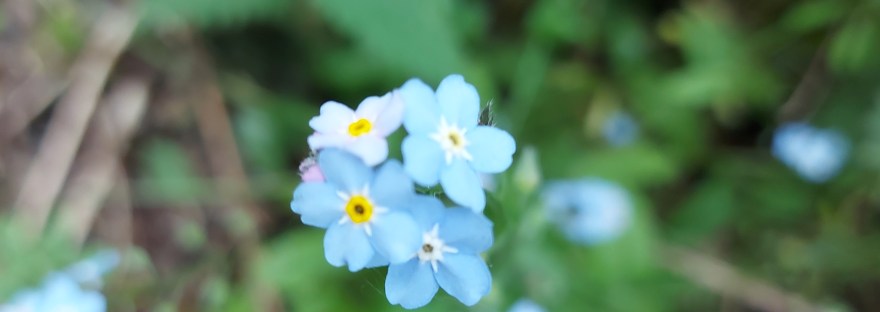
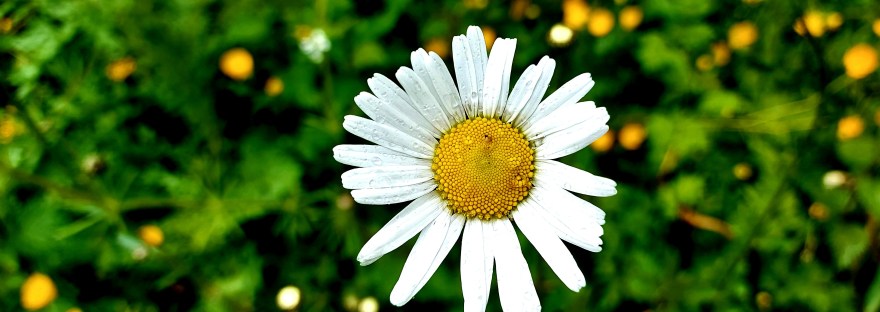
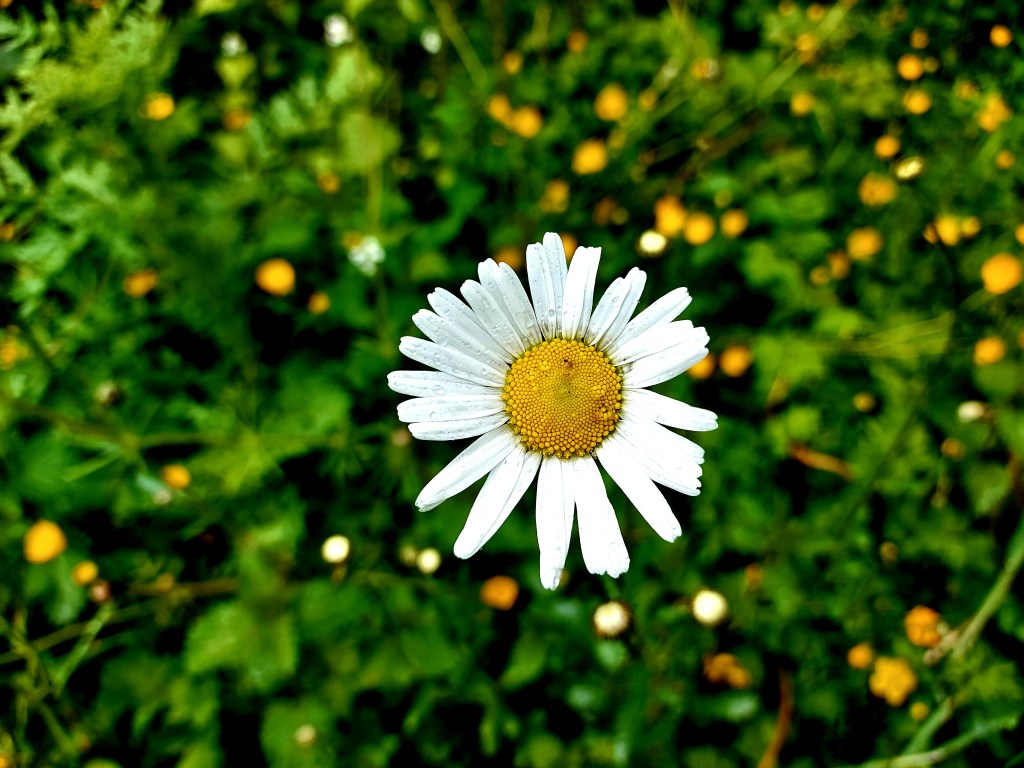
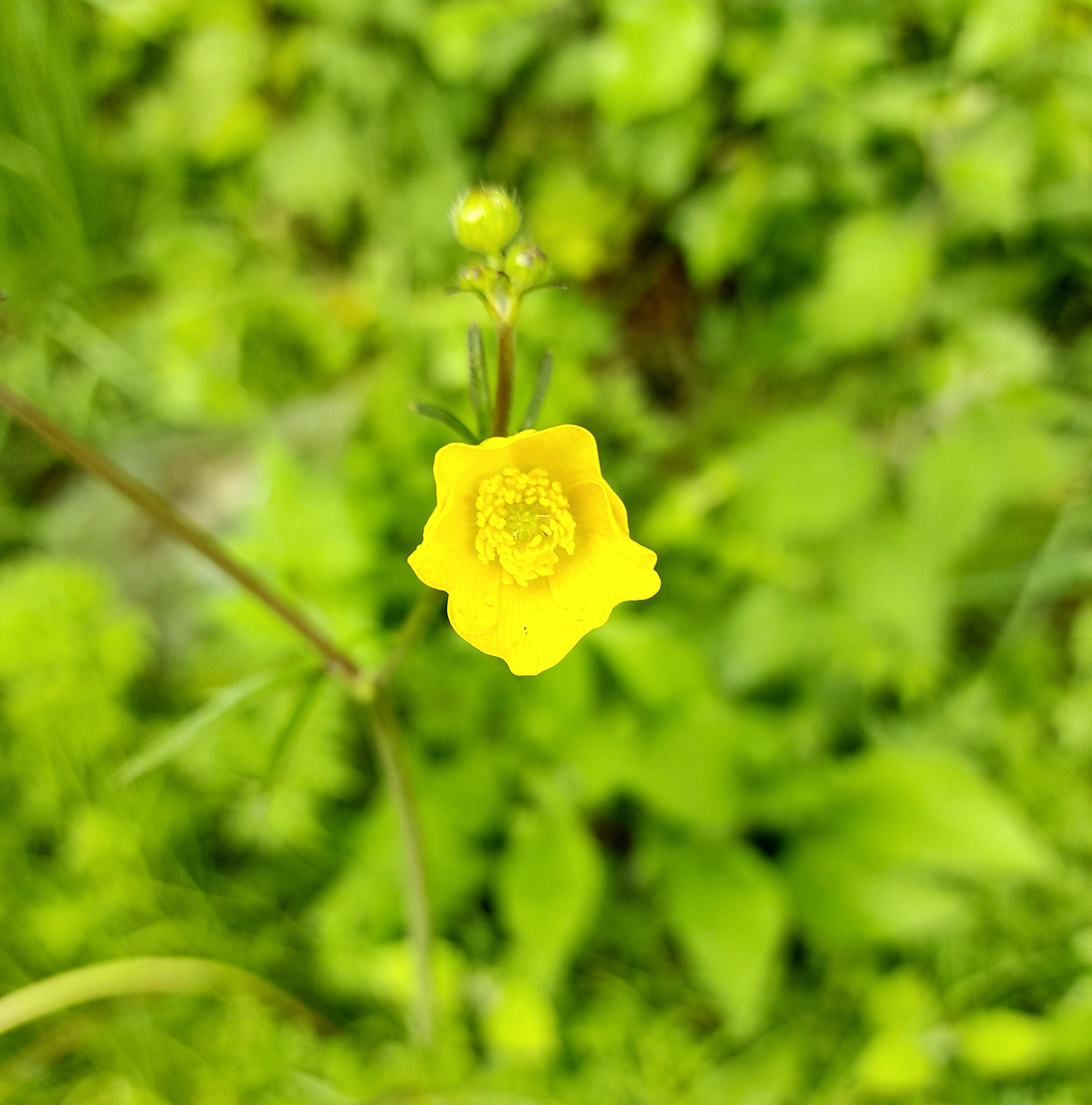
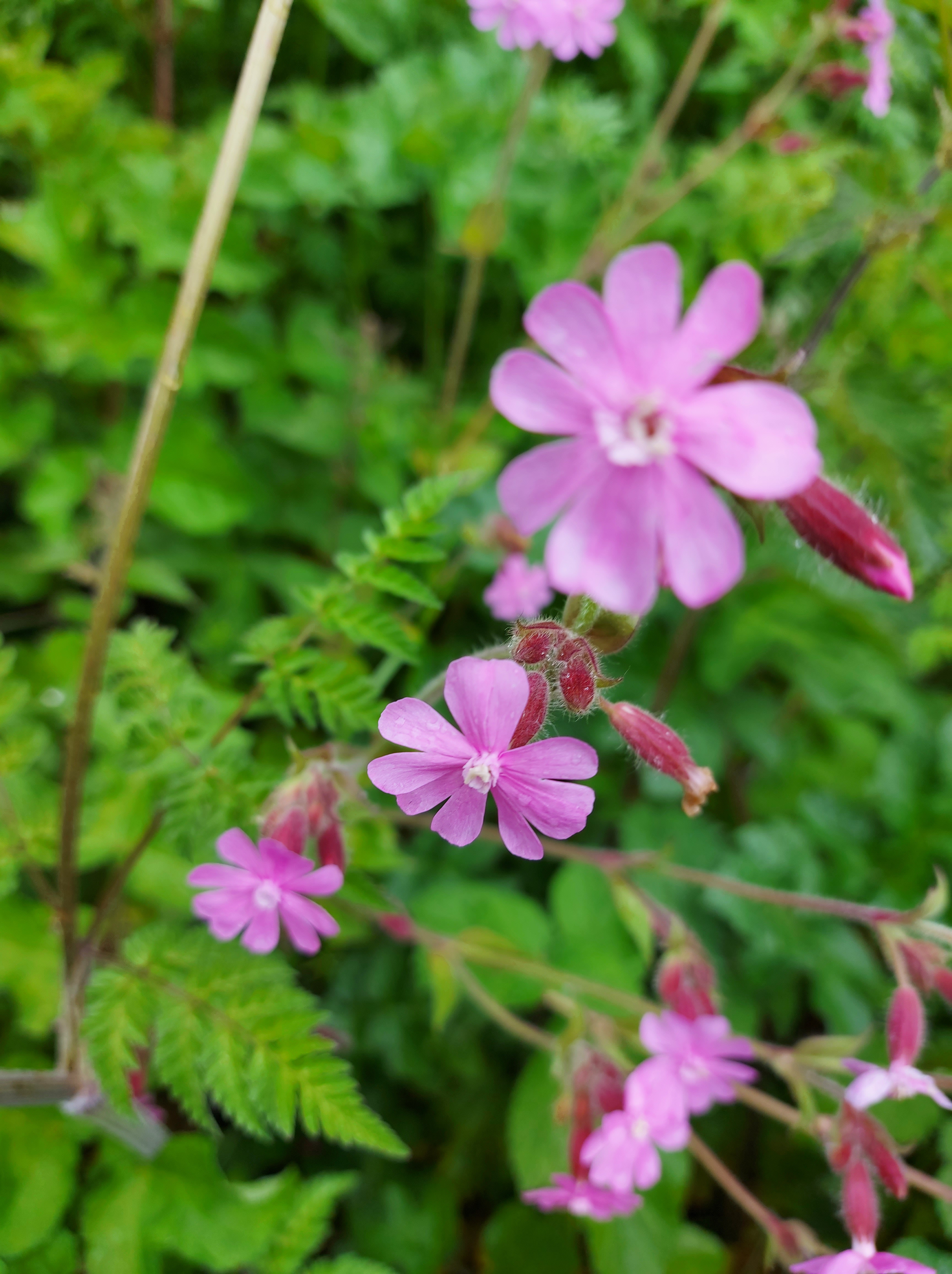
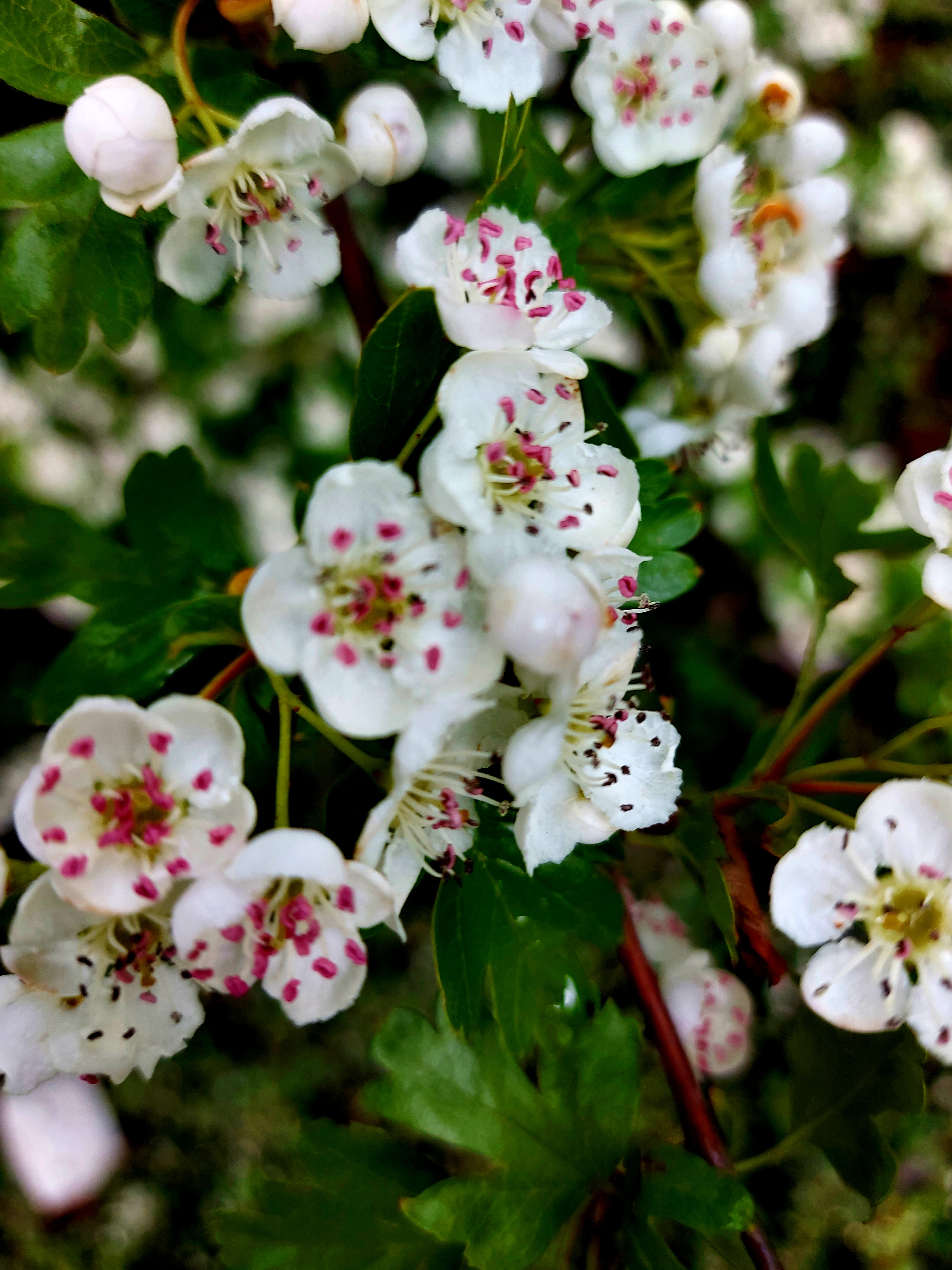
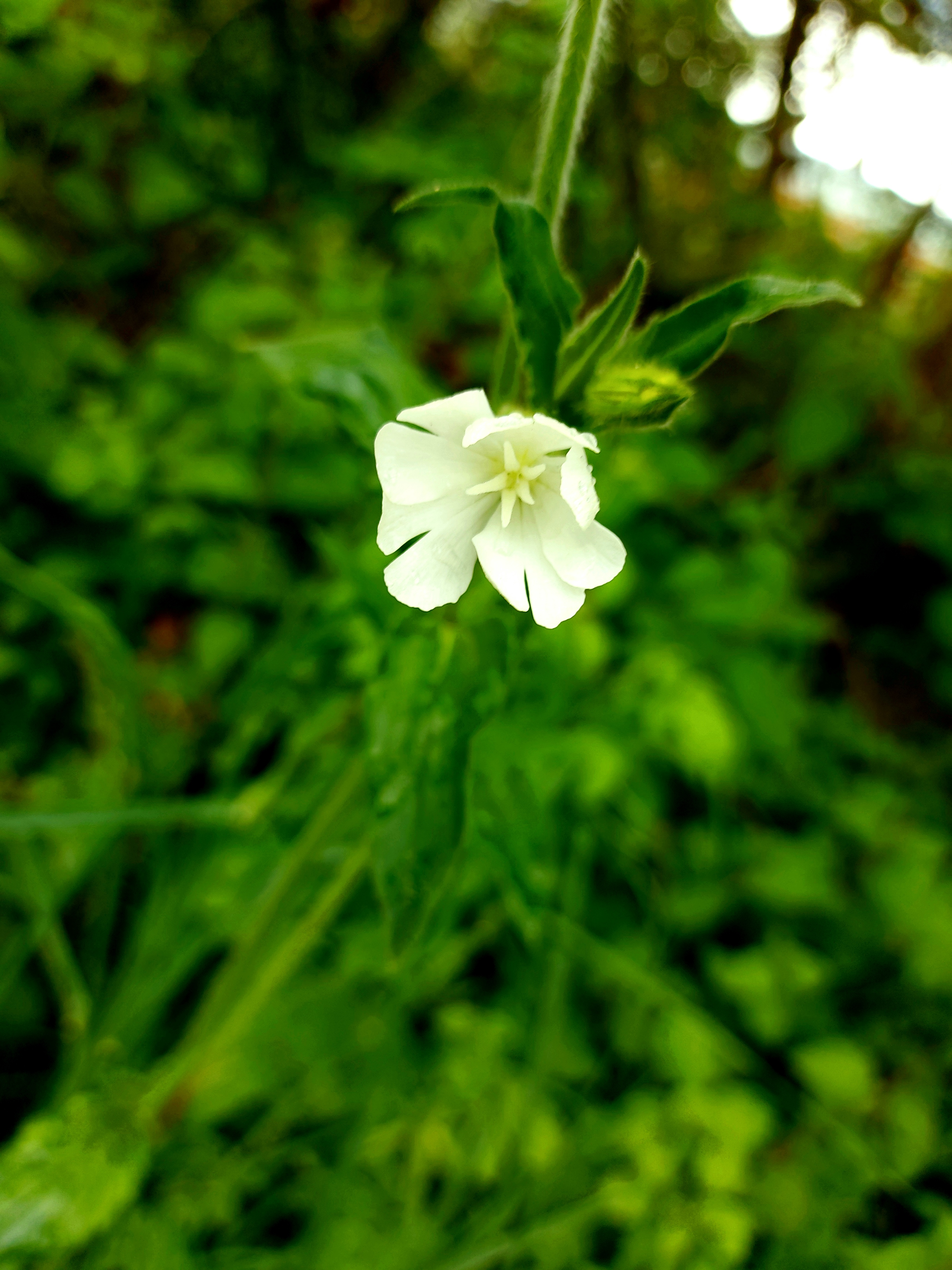
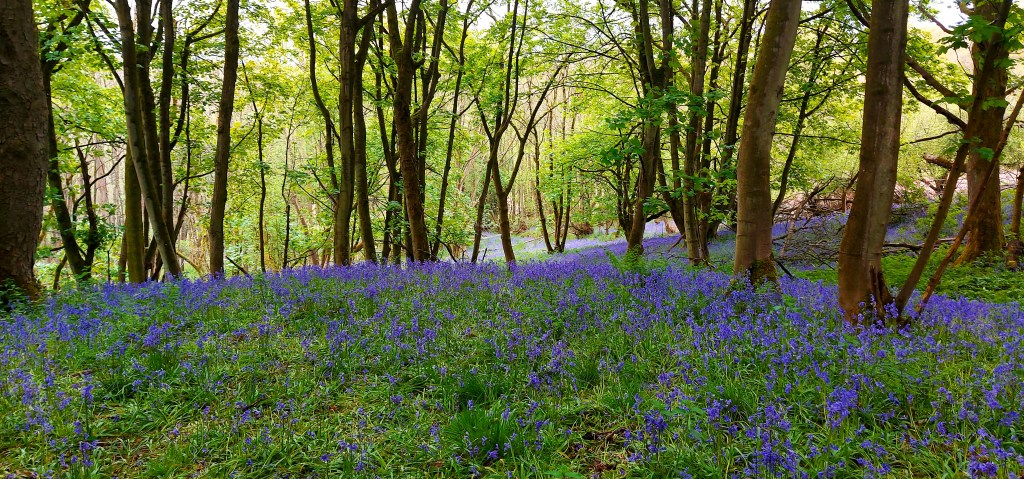
100 Days of Nature – Day 96 – Beautiful Moments

A day doesn’t have to be glorious weather wise. Not all day, anyway. Even days that are filled with rain can have moments of beauty.